
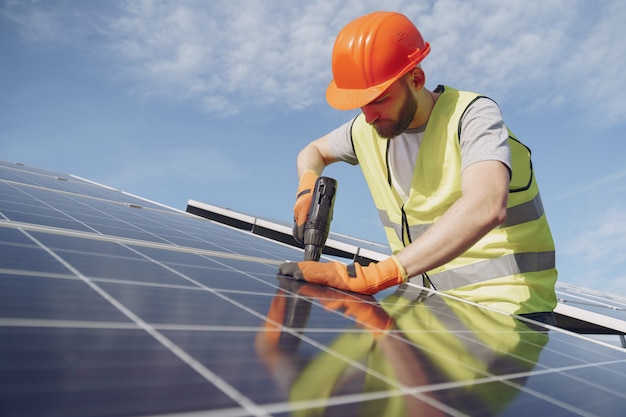
In today’s fast-evolving energy landscape, solar panels are more than just a trend”?they’re an investment in sustainability and long-term savings. However, like any valuable asset, solar panels require regular maintenance to function at their best. Routine inspections are crucial for ensuring optimal performance and extending the lifespan of these systems. This article explores the importance of regular solar panel inspections and offers insights into maintaining efficiency and safety.
Why Routine Inspections Matter
Routine inspections of solar panels are not merely a recommendation; they are essential for several reasons:
- Maximize Efficiency: Dust, debris, and other environmental factors can significantly reduce solar panel efficiency. Regular inspections help identify and address these issues promptly.
- Extend Lifespan: Early detection of potential problems such as micro-cracks or loose wiring can prevent larger, costlier repairs and extend the system’s life.
- Ensure Safety: Faulty solar panels can pose safety risks, including electrical faults. Inspections help mitigate these risks by ensuring all components are functioning safely.
For those seeking to enhance their understanding of solar panel maintenance, discover expert strategies here.
Key Components of a Solar Panel Inspection
A comprehensive solar panel inspection should cover several critical components to ensure thorough evaluation:
Visual Inspection
Technicians perform a visual inspection to check for:
- Physical damage such as cracks or chips on the panels.
- Accumulation of dirt, bird droppings, or other debris.
- Corrosion or rust on mounting structures and frames.
Regular visual assessments are fundamental in maintaining the integrity of solar panels. Learn about our tailored solutions for efficient visual inspections.
Electrical Testing
Electrical testing is crucial for detecting potential issues that are not visible to the naked eye. This includes:
- Testing for voltage and current to ensure optimal power output.
- Checking for faulty connections or wiring.
- Identifying and addressing any inverter issues.
These tests help maintain the system’s efficiency and safety. To gain deeper insights, explore advanced guides and tips.
Performance Evaluation
Evaluating the performance of solar panels allows technicians to:
- Compare current performance metrics with baseline data to identify declines in efficiency.
- Analyze patterns that may indicate underlying issues.
- Recommend maintenance or cleaning based on performance trends.
Understanding performance trends is vital for maintaining optimal energy production. Find out more about this approach to performance evaluation.
Benefits of Professional Inspections
While some basic maintenance tasks can be performed by the system owner, professional inspections offer distinct advantages:
- Expertise: Professionals are trained to identify subtle issues that non-experts may overlook.
- Advanced Tools: Access to specialized tools and technologies that ensure comprehensive testing and analysis.
- Compliance: Ensuring the system meets local regulations and safety standards.
For those interested in leveraging professional expertise, learn about our tailored solutions for solar panel maintenance.
Conclusion
Routine solar panel inspections are a vital aspect of maintaining the efficiency, safety, and longevity of solar energy systems. By addressing potential issues early, system owners can avoid costly repairs, maximize energy output, and contribute to a sustainable future. Engaging with professional services ensures that inspections are thorough, compliant, and effective. For more information, discover expert strategies here and take a proactive approach to solar panel maintenance.