
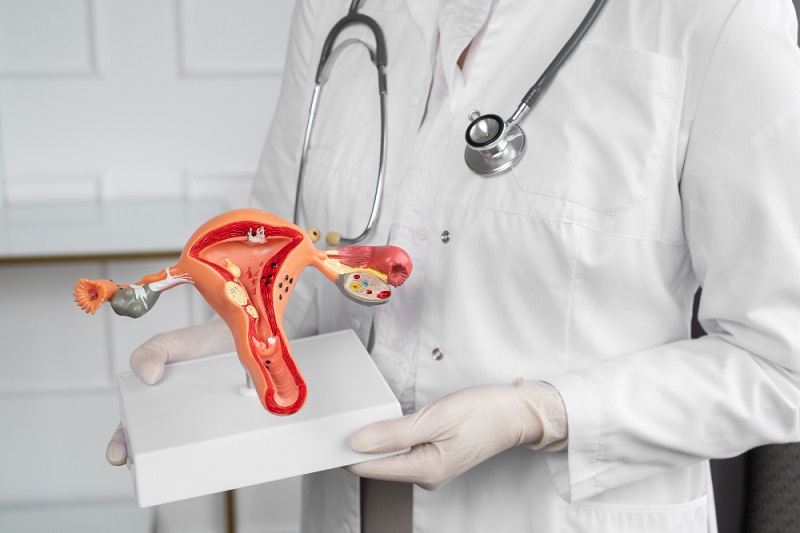
Endometriosis is a complex and often misunderstood medical condition that affects millions of women worldwide. It occurs when tissue similar to the lining inside the uterus, known as the endometrium, grows outside the uterus. This condition can lead to severe pain, infertility, and a host of other symptoms that can significantly impact a woman’s quality of life. Understanding the origins and causes of endometriosis is crucial for developing effective treatments and improving patient outcomes. While the exact causes remain a topic of ongoing research, several factors have been identified as potential contributors to the development of this condition.
Genetic Factors
Research suggests that genetics may play a significant role in the development of endometriosis. Women with a family history of the condition are more likely to experience it themselves, indicating a potential hereditary component. Some studies have identified specific genetic markers that may increase the risk of developing endometriosis, though more research is needed to fully understand the genetic link.
Family History
Having a close relative, such as a mother or sister, with endometriosis is a known risk factor. This familial link suggests that inherited genetic traits may predispose individuals to the condition. Ongoing studies aim to pinpoint the exact genes involved, which could lead to more personalized treatment options in the future.
Environmental Influences
Environmental factors are also believed to contribute to the development of endometriosis. Exposure to certain toxins and chemicals in the environment may disrupt hormonal balance and immune function, potentially triggering the onset of the condition.
- Exposure to dioxins and polychlorinated biphenyls (PCBs) has been linked to a higher risk of endometriosis.
- Hormonal disruptors found in everyday products, such as plastics and pesticides, may affect estrogen levels, a hormone closely linked to endometrial tissue growth.
For more detailed information on endometriosis causes, further reading and research can provide additional insights into the environmental factors involved.
Hormonal Imbalances
Endometriosis is often associated with hormonal imbalances, particularly involving estrogen. Estrogen is known to promote the growth of endometrial tissue, and imbalances in this hormone can exacerbate the condition’s symptoms.
Estrogen Dominance
Many women with endometriosis experience a condition known as estrogen dominance, where the levels of estrogen are disproportionately high compared to other hormones, such as progesterone. This imbalance can lead to excessive growth of endometrial tissue outside the uterus, contributing to the severity of endometriosis symptoms.
Immune System Dysfunction
The immune system plays a vital role in identifying and eliminating aberrant tissue growths. In some cases, a malfunctioning immune system may fail to recognize and destroy endometrial tissue growing outside the uterus, allowing the condition to progress unchecked.
- Some researchers believe that autoimmune disorders, where the body’s immune system mistakenly attacks its own tissues, could be linked to endometriosis.
- Chronic inflammation, often associated with immune system dysfunction, may also play a role in the development of the condition.
Retrograde Menstruation
One of the oldest theories regarding the cause of endometriosis is retrograde menstruation. This theory suggests that menstrual blood flows backward through the fallopian tubes into the pelvic cavity instead of leaving the body, causing endometrial cells to implant and grow outside the uterus.
While retrograde menstruation is a common occurrence, not all women who experience it develop endometriosis, indicating that other factors must contribute to the condition’s development. Further research is needed to determine the exact relationship between retrograde menstruation and the onset of endometriosis.
Conclusion
While the exact causes of endometriosis remain elusive, ongoing research continues to shed light on potential contributing factors. Genetic predisposition, environmental influences, hormonal imbalances, immune system dysfunction, and retrograde menstruation all appear to play roles in the development of this complex condition. Understanding these factors is essential for developing more effective treatments and ultimately improving the quality of life for those affected by endometriosis.