
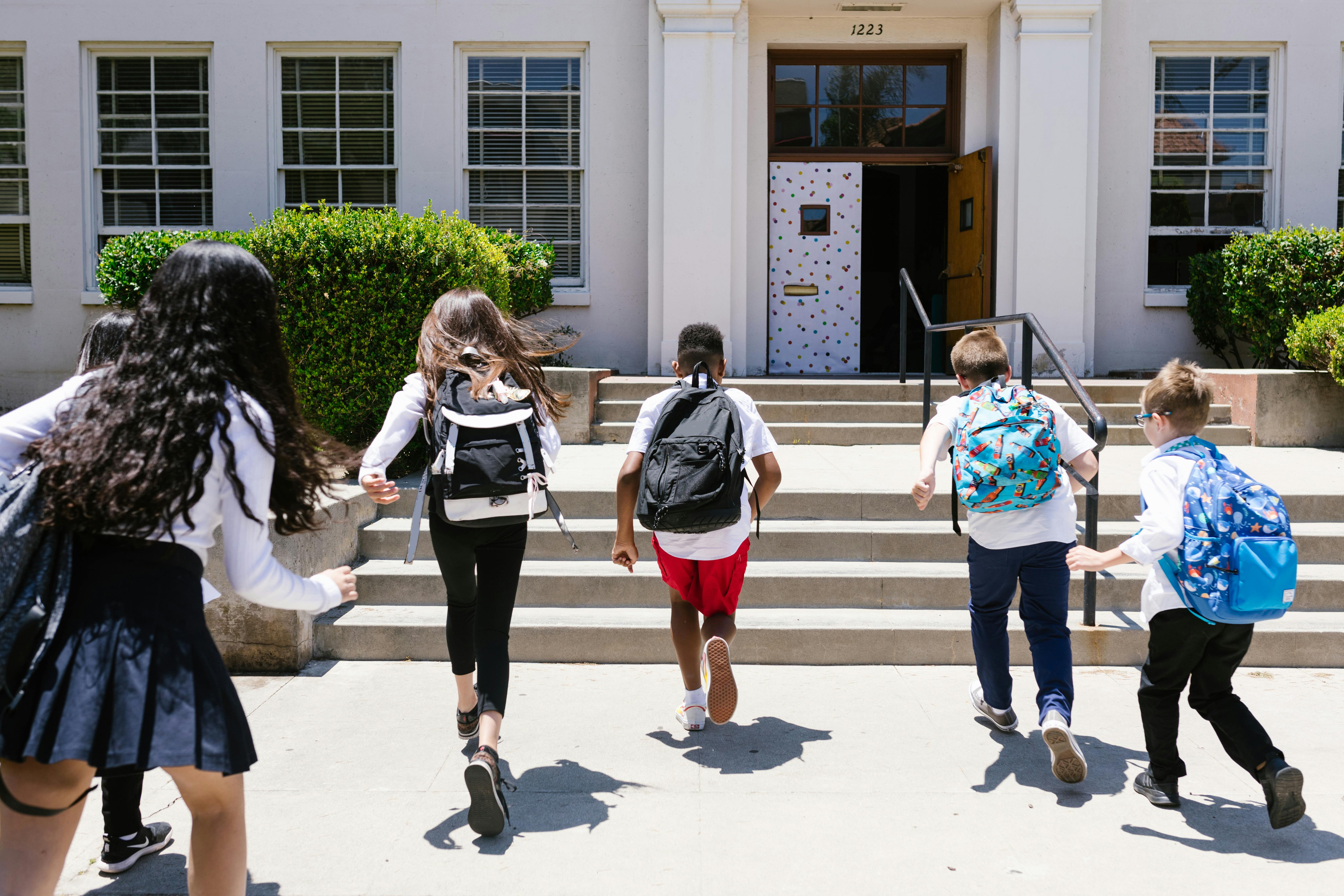
Choosing the right middle school for a child with dyslexia can be a challenging yet crucial decision. Middle school is a transitional period that lays the foundation for future academic success. For students with dyslexia, it is vital to find an educational environment that not only understands their unique needs but also provides the necessary support and resources. This guide provides insights into what to consider when selecting a middle school that can cater to the distinct learning style of a dyslexic student.
Understanding the Needs of Dyslexic Students
Dyslexia is a learning difference that affects reading and language processing. Therefore, middle schools for dyslexic students should offer specialized support. When evaluating schools, consider the following key aspects:
- Does the school have a dedicated program or specialized staff trained in dyslexia?
- Are there individualized education plans (IEPs) available to address specific learning needs?
- Is there access to technology and resources that aid dyslexic learners, such as audiobooks and text-to-speech software?
For more information on programs designed to support dyslexic students, discover expert strategies here.
Evaluating Academic Support and Resources
Staff Expertise and Training
The expertise of the teaching staff is paramount. Check if the teachers have specialized training in handling dyslexia and other learning differences. Effective schools often provide ongoing professional development to ensure teachers are up-to-date with the latest educational strategies.
Classroom Environment
A supportive classroom environment is essential for dyslexic students. Consider these elements:
- Small class sizes that allow for personalized attention.
- A flexible curriculum that adapts to various learning styles.
- Incorporation of multi-sensory teaching methods that engage different senses to enhance learning.
Learn about our tailored solutions for creating supportive classroom environments here.
Social and Emotional Support
Middle school is not just about academics; it is also a critical period for social and emotional development. Dyslexic students often face unique challenges in these areas, so it’s important to consider the following:
- Does the school provide counseling services or social skills groups?
- Is there a peer support system in place to foster a sense of community?
- Are there activities or clubs that encourage participation and inclusion?
Explore advanced guides and tips on how schools can support the social and emotional well-being of dyslexic students here.
Communication with Parents
Effective communication between the school and parents is crucial. Look for schools that establish regular updates and offer opportunities for parental involvement. Questions to consider include:
- How often does the school provide progress reports?
- Are there regular meetings between parents and teachers to discuss the child’s progress?
- What platforms are used for communication, and are they accessible to all parents?
Find out more about this approach to effective parent-school communication here.
Conclusion
Selecting a middle school for a child with dyslexia requires careful consideration of various factors, including specialized programs, academic support, social and emotional resources, and effective communication. By focusing on these areas, parents can ensure their child receives the comprehensive support needed to thrive. For a more detailed exploration of what a tailored middle school experience could look like for a dyslexic student, explore advanced guides and tips.