
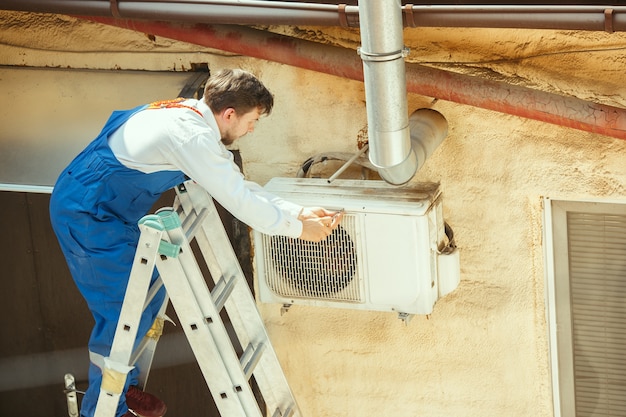
In the realm of HVAC systems, duct installation plays a pivotal role in ensuring efficiency and effectiveness. Properly installed ducts not only optimize the heating and cooling performance of a building but also contribute to energy conservation and cost savings. As energy efficiency becomes a priority for homeowners and businesses alike, understanding the nuances of HVAC duct installation becomes imperative. This article delves into strategies and considerations for optimizing duct installation, ensuring that HVAC systems operate at their peak.
Understanding the Importance of Ductwork Design
The design of the ductwork is foundational to the efficiency of an HVAC system. A well-thought-out design can significantly enhance air distribution while minimizing energy losses. Here are key considerations:
- Proper Sizing: Ducts that are too small can restrict airflow, leading to inefficiencies, while oversized ducts can increase energy consumption.
- Layout Planning: Ensure minimal turns and bends to reduce friction and resistance, facilitating smoother airflow.
- Sealing and Insulation: Proper sealing prevents leaks, while insulation helps maintain air temperature, reducing energy wastage. Discover expert strategies here.
Materials Matter: Choosing the Right Duct Material
Different materials offer varied benefits and challenges. Choosing the right one is crucial for both performance and longevity of the duct system.
- Sheet Metal: Known for its durability and strength, sheet metal ducts are ideal for long-term use. They require proper insulation to prevent energy loss.
- Flexible Ducts: These are easier to install and are suitable for tight spaces. However, they may lead to higher friction losses if not installed correctly.
- Fiberboard Ducts: Often used for their insulation properties but require careful installation to avoid air leaks. Learn about our tailored solutions.
Advanced Installation Techniques for Optimal Performance
Utilizing Modern Technology
Advancements in technology have revolutionized duct installation techniques, making it easier to achieve efficiency and accuracy.
- 3D Modeling: Allows for precise planning and reduces the chance of errors during installation.
- Automated Tools: Help in achieving consistent sealing and fitting, enhancing overall system performance.
- Airflow Analysis Software: Assists in predicting and optimizing airflow patterns within the ductwork. Explore advanced guides and tips.
Regular Maintenance and Assessment
Even the best installations require regular check-ups to maintain efficiency. Implementing a maintenance schedule ensures the longevity of the system.
- Leak Detection: Regular inspections for leaks can prevent significant energy losses and maintain system efficiency.
- Cleaning and Dust Removal: Keeping ducts clean prevents blockages and maintains optimal airflow.
- Performance Monitoring: Utilize sensors and smart technology to monitor system performance and address issues promptly. Find out more about this approach.
Conclusion: Investing in Efficient Duct Installation
Optimizing HVAC duct installation is a wise investment for anyone looking to enhance energy efficiency and performance. By focusing on design, material selection, advanced installation techniques, and regular maintenance, the benefits extend beyond just cost savings. A well-installed duct system ensures enhanced comfort, reduced environmental impact, and a more sustainable future. For those interested in delving deeper into the intricacies of HVAC duct installation, a wealth of resources and expert advice is available to guide every step of the process.