
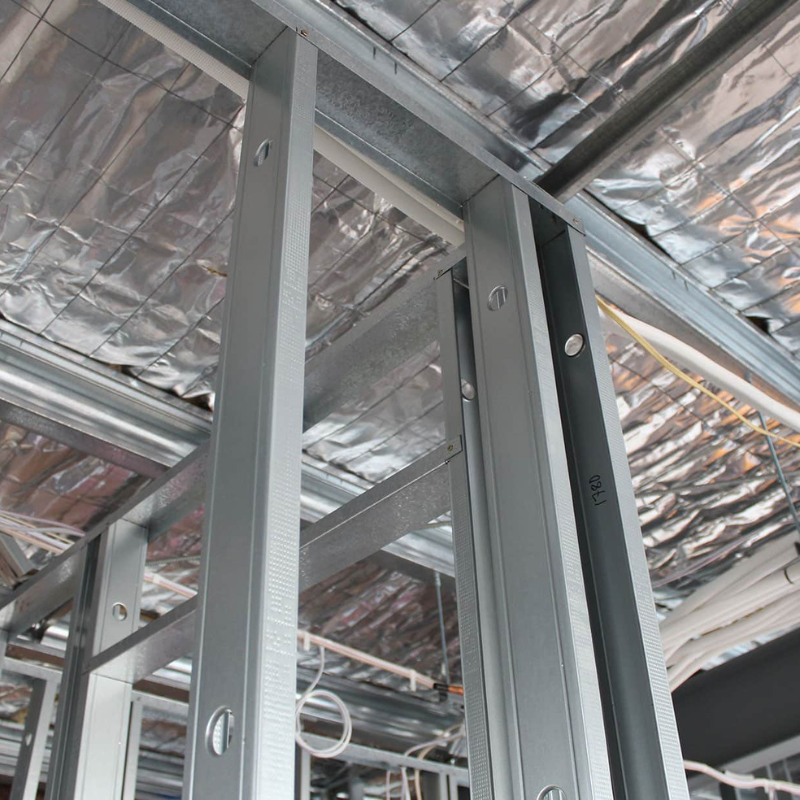
Understanding the intricacies of insulation prices can be a daunting task for homeowners and builders alike. With a myriad of options available, from fiberglass to foam, and varying costs associated with each type, it is crucial to have a clear understanding of what influences these prices. This article aims to demystify insulation costs by breaking down the factors that affect them, helping you make informed decisions when selecting insulation material for your project.
Factors Influencing Insulation Prices
Type of Insulation Material
The type of insulation material significantly influences the overall cost. Common insulation materials include fiberglass, cellulose, spray foam, and rigid foam. Each type varies in price due to differences in manufacturing processes, raw materials, and application methods.
- Fiberglass: Typically the most affordable option, suitable for a wide range of applications.
- Cellulose: Made from recycled paper products, it offers an environmentally friendly choice but may cost slightly more than fiberglass.
- Spray Foam: Offers superior insulating properties but comes at a higher price point due to its complex installation process.
- Rigid Foam: Often used for exterior walls and roofing, its price depends on the thickness and type of foam used.
Installation Complexity
The complexity of the installation also plays a critical role in determining insulation prices. Factors such as the size of the area, accessibility, and necessary equipment can increase labor costs. Professional installation is recommended for more complex projects, as it ensures optimal performance and longevity.
Location and Climate
Geographical location and climate conditions can affect the choice of insulation material and its cost. Areas with extreme weather conditions may require higher-grade insulation to achieve energy efficiency, affecting the overall expenditure.
Evaluating Cost-Effectiveness
Long-term Savings
Investing in high-quality insulation can lead to significant energy savings over time. While the initial cost might be higher, the reduction in heating and cooling expenses can offset this investment. Consider the best insulation material that provides a balance between upfront costs and long-term savings.
Energy Efficiency Incentives
Many regions offer incentives or rebates for homeowners who install energy-efficient insulation. Researching and utilizing these programs can significantly reduce the overall cost of your insulation project.
Choosing the Right Insulation Company
Selecting a reputable insulation company is crucial for ensuring quality and value. Here are some tips for choosing the right provider:
- Look for companies with extensive experience and positive customer reviews.
- Ask about the range of materials they offer and their expertise in each.
- Request quotes from multiple companies to compare prices and services.
- Ensure they provide warranties or guarantees on their products and services.
Conclusion
Understanding the factors that influence insulation prices can help in making informed decisions that balance cost with performance. By considering the type of material, installation complexity, and potential long-term savings, homeowners can effectively plan their insulation projects. Researching and choosing the right insulation company further ensures the success of the project, providing peace of mind and long-term energy efficiency. Making the right choices today can lead to significant savings and comfort in the future.