
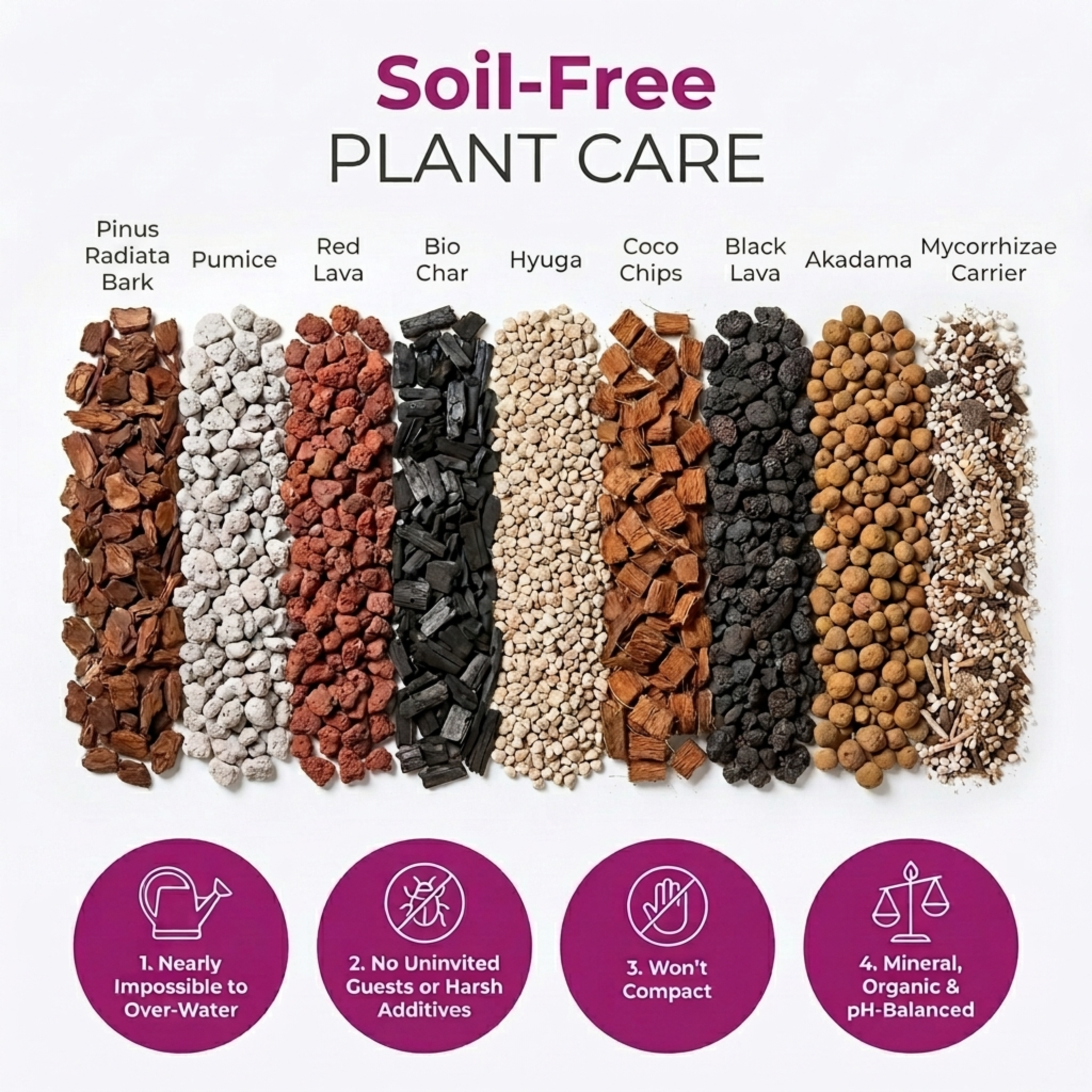
Orchids are renowned for their exquisite beauty and unique growing requirements, making them a favorite among plant enthusiasts. However, cultivating orchids successfully involves understanding their specific needs, especially when it comes to potting. The right orchid potting mix is crucial for ensuring healthy growth and vibrant blooms. This article delves into the essential components of orchid pot mixtures and provides guidance on selecting the best medium for your beloved plants.
Understanding Orchid Potting Needs
Orchids are epiphytes, meaning they grow naturally on other plants and derive their nutrients from the air, rain, and debris around them. This unique growth habit impacts the choice of potting medium:
- Excellent drainage is crucial to prevent root rot.
- Aeration is key to mimic their natural environment.
- Moisture retention without waterlogging is essential.
Common Components of Orchid Pot Mixtures
A well-balanced orchid soil comprises various components, each contributing to the ideal growing conditions:
- Bark: Often used as the primary component, bark provides excellent drainage and aeration.
- Perlite: Lightweight and porous, perlite improves drainage and helps retain minimal moisture.
- Sphagnum Moss: Known for its moisture retention properties, sphagnum moss is included to maintain humidity around the roots.
- Charcoal: Helps absorb impurities and toxins, promoting a healthy environment for the orchid roots.
- Coconut Husk Chips: An eco-friendly alternative to bark, offering similar benefits in terms of drainage and aeration.
Choosing the Right Orchid Potting Medium
When selecting the ideal orchid potting soil, consider the specific needs of your orchid species. Different orchids may thrive in different mixtures:
- Phalaenopsis Orchids: Prefer a bark-heavy mix with a touch of sphagnum moss for moisture retention.
- Cattleya Orchids: Benefit from a mix with larger bark pieces and increased air circulation.
- Dendrobium Orchids: Often require a mix with both bark and charcoal for optimal growth.
Considerations for Repotting
Repotting orchids is a delicate process, and understanding the timing and method is crucial:
- Repot every 1-2 years, or when the pot mix for orchids breaks down.
- Choose a pot with adequate drainage holes to enhance aeration.
- Handle the roots carefully to avoid damage during the repotting process.
Maintaining Your Orchid Potting Medium
Regular maintenance of the orchid potting medium ensures optimal growth conditions:
- Monitor for signs of breakdown, such as compacted or decomposed material.
- Replace the potting medium when it no longer provides adequate drainage.
- Inspect the roots during repotting for any signs of rot or damage.
By understanding the needs of orchids and selecting an appropriate orchid plant potting mix, enthusiasts can ensure their plants thrive and bloom beautifully. A well-chosen potting mixture not only supports the plant’s health but also enhances the overall aesthetic appeal of these captivating plants.