
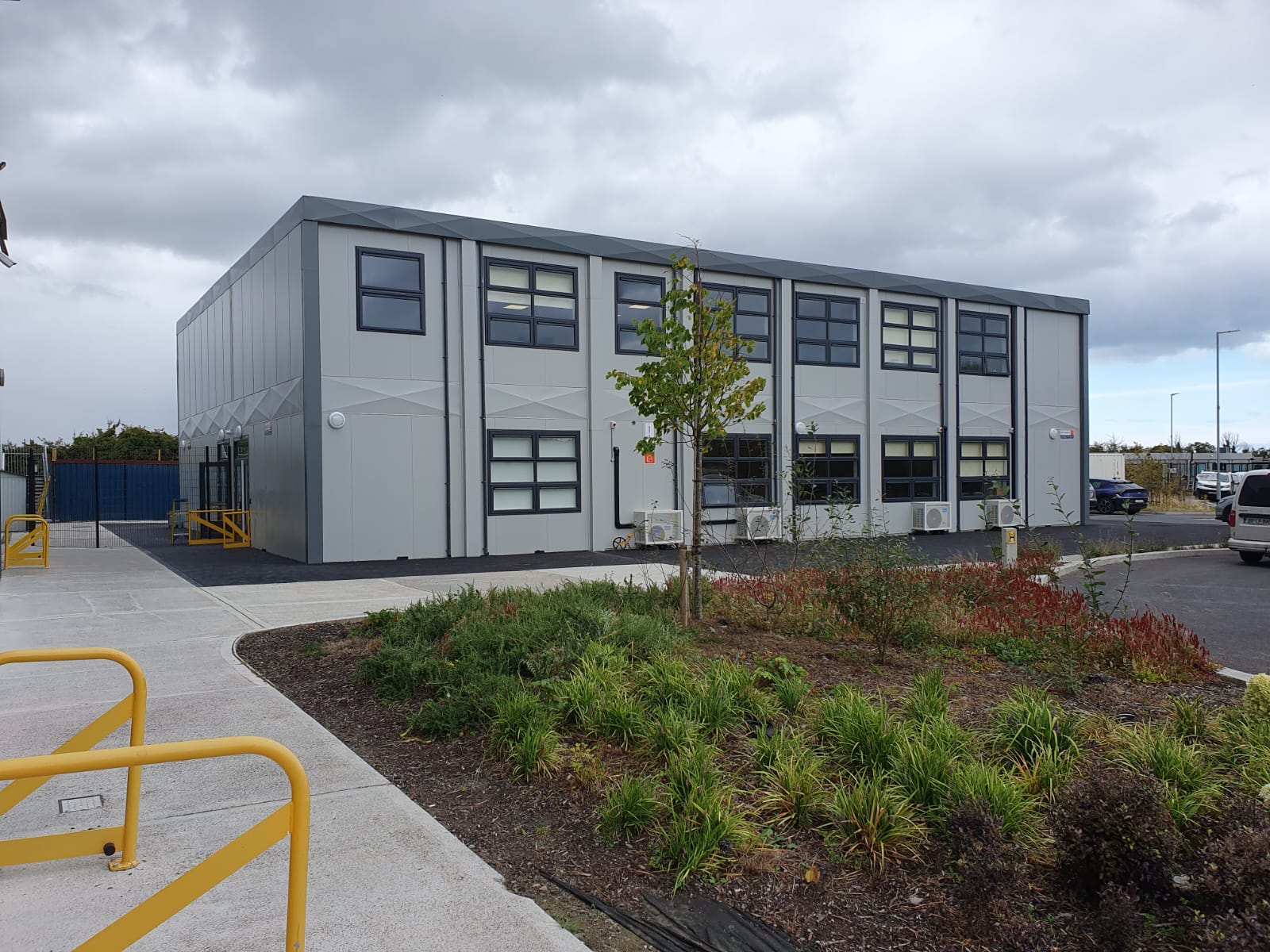
In the evolving landscape of construction, the shift towards offsite construction is becoming increasingly prevalent. This method, which involves the planning, design, fabrication, and assembly of building elements at a location different from the final site, offers numerous advantages in terms of efficiency and cost-effectiveness. As the demand for sustainable and rapid construction solutions grows, industries worldwide are recognizing the potential of offsite construction to streamline building processes and deliver robust structures with minimal environmental impact.
What is Offsite Construction?
Offsite construction refers to the process of planning and assembling building components away from the final construction site. This approach leverages advanced manufacturing techniques in a controlled environment to enhance precision and quality. Once completed, these components are transported to the final site for assembly, significantly reducing on-site labor and time.
Benefits of Offsite Construction
The adoption of offsite construction presents several compelling advantages:
- Efficiency: By manufacturing components in a controlled environment, projects are less susceptible to weather-related delays.
- Quality Control: Consistent production techniques improve the quality of finished components, ensuring adherence to design specifications.
- Cost-Effectiveness: Bulk production and reduced labor requirements can lead to significant cost savings.
- Sustainability: Offsite construction generates less waste and can incorporate sustainable materials more easily than traditional methods.
Applications and Innovations in Offsite Construction
Offsite construction is versatile and applicable across various industry sectors, including:
- Residential: Prefabricated homes and modular housing units that offer quick assembly.
- Commercial: Office buildings and retail spaces using modular designs to fast-track opening times.
- Healthcare: Hospitals and clinics benefiting from rapid deployment and scalability.
Innovations in this field continue to evolve, with advancements in digital design and manufacturing playing a pivotal role. For those interested in how these technologies enhance construction, discover expert strategies here.
Challenges and Considerations
While offsite construction offers numerous benefits, several challenges must be addressed:
- Logistical Coordination: Transporting large components requires careful planning to avoid delays and additional costs.
- Design Limitations: Standardized components may limit customization and architectural creativity.
- Regulatory Compliance: Navigating building codes and regulations that vary by location can be complex.
Addressing these challenges requires strategic planning and collaboration with industry experts. Learn about our tailored solutions for overcoming these hurdles effectively.
The Future of Offsite Construction
The future of construction is likely to see a continued shift towards offsite methodologies. As technology advances, more industries will adopt these practices to benefit from their efficiency and sustainability. Companies are increasingly investing in research and development to further enhance the capabilities of offsite construction. Explore advanced guides and tips to stay ahead in this evolving field.
In conclusion, offsite construction is not just a trend but a transformative approach with the potential to redefine modern construction practices. By embracing this method, industries can achieve faster, more sustainable, and cost-effective building processes. Find out more about this approach to understand how it can be applied to meet diverse construction needs.