
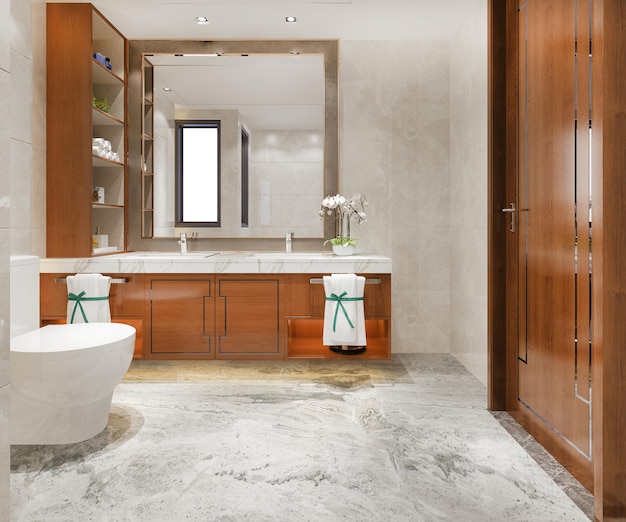
Bathrooms are a significant aspect of any home, serving as both a functional space and a sanctuary for relaxation. Over time, however, tiles can become cracked, chipped, or discolored, affecting both the aesthetic and safety of this space. Luckily, quick and easy solutions exist to address common bathroom tile issues, ensuring that the space remains both beautiful and functional. This article explores effective strategies for tile repair, providing insights into maintaining and enhancing bathroom spaces.
Identifying Common Tile Issues
Understanding the root cause of tile problems is the first step in addressing them effectively. Common issues include:
- Cracks and chips due to heavy impacts or settling foundations.
- Grout discoloration from moisture and mildew.
- Loose tiles caused by deteriorating adhesive.
- Stains and scratches from daily wear and tear.
Each of these issues requires a different approach, and identifying them early can save time and money in the long run. For those facing persistent problems, discover expert strategies here.
DIY Tile Repair Solutions
For minor tile issues, homeowners can often undertake repairs themselves. Here are some straightforward solutions:
Repairing Cracked or Chipped Tiles
- Clean the tile thoroughly to remove all dirt and debris.
- Use a two-part epoxy to fill in cracks or chips. Ensure it matches the color of your existing tile for a seamless finish.
- Allow the epoxy to cure fully before using the area.
For more severe damage, replacing the tile may be necessary. This process involves carefully removing the damaged tile, cleaning the area, and installing a new tile using appropriate adhesive. Explore advanced guides and tips for more detailed instructions.
Restoring Grout
Discolored grout can make even the most beautiful tiles look worn and aged. To restore grout:
- Use a grout cleaner or a mixture of baking soda and water to scrub away stains.
- For stubborn discoloration, consider using a grout pen to refresh the color.
- Seal the grout with a waterproof sealer to protect against future staining and moisture damage.
Grout restoration not only improves appearance but also enhances the longevity of the tiles by preventing water infiltration. Find out more about this approach to maintain lasting results.
When to Call a Professional
While DIY solutions can be effective for minor issues, there are times when professional intervention is necessary. Consider seeking professional help if:
- Multiple tiles are loose or damaged, indicating underlying structural issues.
- There are persistent moisture problems or mold growth.
- Specialty tiles or patterns require precise matching and installation.
Professionals can provide tailored solutions that address both the immediate problem and any underlying causes. Learn about our tailored solutions to ensure a comprehensive and long-lasting repair.
Preventative Measures
Maintaining tile integrity over time involves taking preventative measures to avoid future issues. Simple steps include:
- Regularly cleaning tiles and grout to prevent buildup of dirt and mildew.
- Sealing grout lines annually to protect against moisture.
- Using bath mats and area rugs to reduce wear on high-traffic areas.
By integrating these practices into regular maintenance routines, homeowners can extend the lifespan of their bathroom tiles and preserve the beauty of their bathrooms. For those interested in comprehensive maintenance strategies, explore advanced guides and tips.
In conclusion, while bathroom tile repair may initially seem daunting, understanding the nature of the problem and employing the right solutions can make the process straightforward and effective. By leveraging both DIY strategies and professional services, homeowners can ensure their bathroom remains a pristine and welcoming environment.