
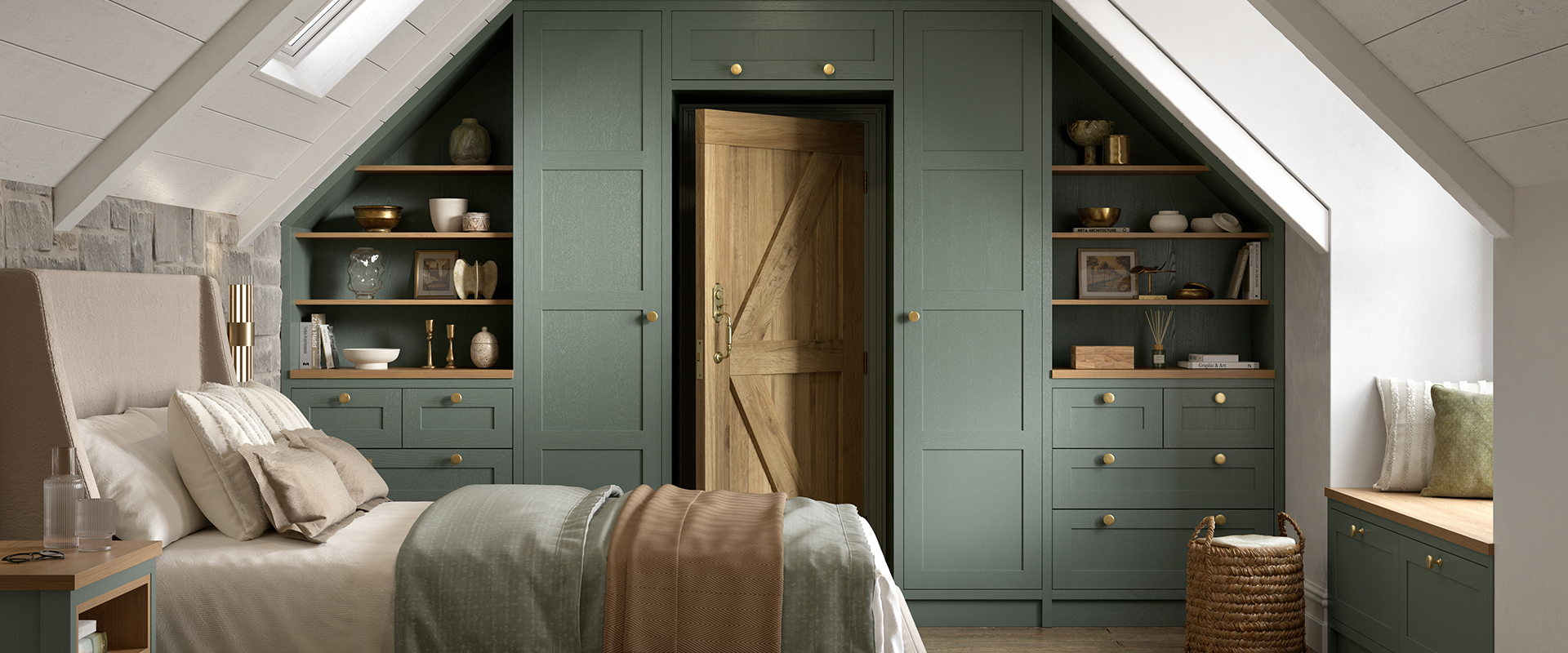
In Hampton, wardrobe design is not just about creating storage solutions but crafting a space that reflects personality and style. The process of designing a wardrobe involves a blend of creativity, functionality, and foresight. Whether the goal is to maximize space in a small bedroom or add a touch of elegance to a walk-in closet, understanding the essentials of wardrobe design can transform any room. This guide delves into the key aspects of effective wardrobe design and installation in Hampton, offering insights and advice to help create a truly personalized space.
Understanding Your Space
Before diving into the aesthetic choices, it’s crucial to assess the available space. This involves taking precise measurements and considering the room’s layout. Key points to consider include:
- Room dimensions: Measure the height, width, and depth to determine the potential size of the wardrobe.
- Natural light: Consider how windows and light sources will affect the placement and material choice of the wardrobe.
- Existing furniture: Ensure the design complements the current decor and does not obstruct movement.
For those looking for wardrobe design hampton, understanding the unique characteristics of your space is the first step to a successful project.
Design Elements to Consider
Style and Aesthetics
The appearance of a wardrobe can significantly impact a room’s overall vibe. Here are the main style elements to consider:
- Material: Options range from classic wood to modern metals and glass, each offering different aesthetic and functional benefits.
- Color: Choose a hue that complements the room’s color scheme, whether it”?s a bold contrast or subtle blend.
- Finish: Glossy finishes can add a modern touch, while matte or textured finishes offer a more traditional or rustic look.
When considering wardrobe installation near me, it’s essential to find a design that resonates with personal tastes and complements the existing decor.
Functionality and Features
Beyond style, a wardrobe must serve its practical purpose effectively. Important functional features include:
- Storage Options: Shelves, drawers, and hanging spaces should be tailored to specific needs, whether it be for clothing, accessories, or shoes.
- Accessibility: Consider sliding doors for tight spaces or mirrored doors for added functionality.
- Customizable Interiors: Adjustable shelves and modular elements allow for flexibility as storage needs change over time.
Exploring wardrobe design and installation hampton ensures that these functionalities are integrated seamlessly into the design.
Installation and Maintenance
Once the design is finalized, the installation process begins. A professional installation guarantees precision and longevity, minimizing potential issues. It’s equally important to consider maintenance strategies to keep the wardrobe in top condition:
- Regular Cleaning: Dust and clean surfaces to maintain the material”?s integrity and appearance.
- Lubricate Moving Parts: Ensure that hinges, sliders, and other moving parts function smoothly over time.
- Inspect for Damage: Regularly check for any signs of wear or damage to address issues promptly.
To learn more about bespoke solutions and expert advice, explore wardrobe design hampton options that promise both style and functionality.
Conclusion
Designing a wardrobe in Hampton is a journey that combines creativity with practicality. By understanding space, choosing the right design elements, and ensuring proper installation and maintenance, a wardrobe can become a quintessential element of any home. This guide offers a comprehensive overview to help make informed decisions, resulting in a wardrobe that meets needs and elevates the living space.