
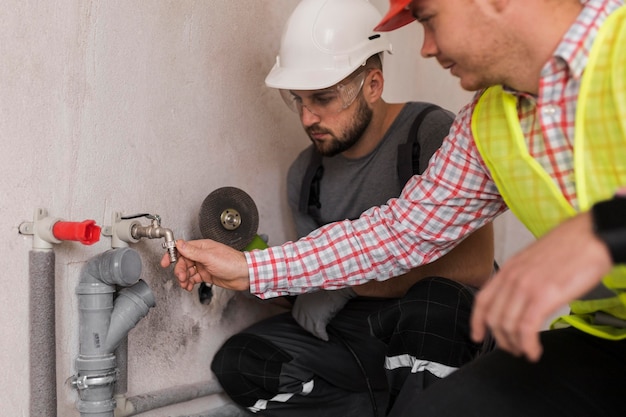
Sewer line leaks can pose significant challenges to both residential and commercial properties. These leaks not only cause potential damage to infrastructure but also lead to environmental concerns. Recognizing the signs early and taking prompt action can mitigate extensive damage and costly repairs. Understanding how to detect and repair these leaks is crucial for maintaining the integrity of a property”?s plumbing system. This article delves into effective strategies for identifying and addressing sewer line leaks, offering valuable insights for property owners and maintenance professionals alike.
Identifying Sewer Line Leaks
Early detection of sewer line leaks is key to preventing further damage. There are several indicators that can suggest the presence of a leak:
- Unpleasant odors emanating from drains or the basement.
- Slow drainage or frequent clogs in sinks and toilets.
- Unusual patches of lush, green grass in the yard.
- Puddles or soggy areas that do not dry up.
- Cracks in the foundation or walls of your building.
In addition to these signs, specialized diagnostic tools can be utilized to confirm suspicions of a leak. Camera inspections and acoustic sensors are commonly employed methods in modern detection practices.
Find out more about this approach.
Methods for Repairing Sewer Line Leaks
Once a leak has been identified, taking corrective action is essential. Several methods can be employed to repair sewer line leaks, depending on the severity and location of the issue.
Trenchless Sewer Repair Techniques
Trenchless repair methods offer a less invasive way to address sewer leaks without extensive digging. These techniques include:
- Pipe Lining: A flexible tube coated with resin is inserted into the damaged pipe and inflated. The resin hardens, creating a new pipe within the old one.
- Pipe Bursting: A new pipe is pulled through the old one, fracturing the existing pipe and replacing it with a stronger, seamless pipe.
Trenchless methods are often preferred due to their efficiency and minimal disruption to the surrounding landscape. Discover expert strategies here.
Traditional Repair Methods
In some cases, traditional sewer repair may be necessary, especially if the damage is extensive. This involves excavating the area to access and replace the damaged section of the sewer line. While more disruptive, it can be the most effective solution for severe cases.
Choosing the right repair method depends on several factors, including the extent of the damage, the location of the leak, and the overall condition of the sewer system. Explore advanced guides and tips.
Preventative Measures and Maintenance
Regular maintenance and preventive measures are critical in reducing the risk of future leaks. Implementing the following practices can prolong the life of sewer lines:
- Regular inspections and cleaning to prevent blockages.
- Avoiding the disposal of harmful substances down the drain.
- Monitoring water pressure to ensure it remains at safe levels.
- Planting trees away from sewer lines to prevent root intrusion.
By staying proactive, property owners can avoid costly repairs and maintain a healthy plumbing system. Learn about our tailored solutions.
Conclusion
Detecting and repairing sewer line leaks requires a combination of vigilance and technical expertise. Whether employing modern trenchless techniques or traditional repair methods, addressing these leaks promptly ensures the longevity and reliability of a property’s plumbing system. By implementing preventative measures and seeking professional guidance when necessary, property owners can effectively manage and maintain their sewer infrastructure.