
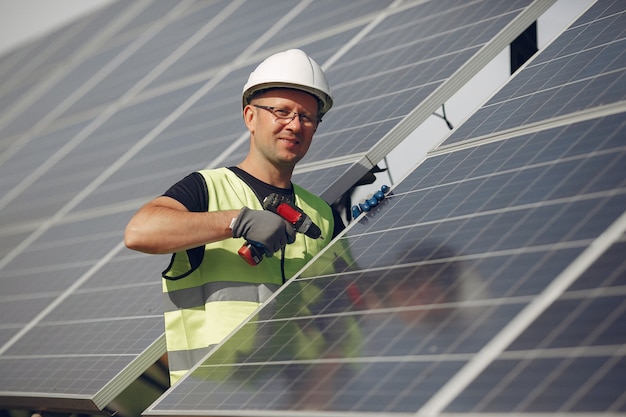
In today’s rapidly evolving energy landscape, commercial entities are increasingly turning to solar power as a reliable and sustainable source of energy. The shift towards solar energy not only underscores a commitment to environmental responsibility but also presents an economically sound decision that can lead to significant long-term savings. However, the process of installing commercial solar panels can seem daunting. Understanding the key steps and considerations can simplify this transition, ensuring a smooth and efficient installation process.
Understanding the Benefits of Commercial Solar Panels
Before diving into the logistics of installation, it’s crucial to understand why commercial solar panels are a smart investment. The benefits include:
- Cost Savings: Solar panels significantly reduce energy bills by harnessing free sunlight to generate electricity.
- Environmental Impact: Solar energy is renewable and reduces the carbon footprint, enhancing the company’s green credentials.
- Energy Independence: Businesses can reduce their dependency on grid electricity, protecting against fluctuating energy prices.
- Incentives and Rebates: Various government incentives can make the initial investment more manageable.
For businesses looking to capitalize on these benefits, it is essential to partner with experts who can tailor solutions to specific needs. Learn about our tailored solutions.
Steps for a Successful Solar Panel Installation
Embarking on a commercial solar panel installation involves several critical steps. Each phase requires careful planning and execution to ensure optimal efficiency and performance.
1. Site Assessment and Feasibility Study
The first step in the commercial solar panel installation process is conducting a comprehensive site assessment. This includes:
- Evaluating Roof Condition: Assessing the structural integrity and orientation of the roof to ensure it can support solar panels.
- Sunlight Exposure: Analyzing the amount of sunlight the site receives throughout the year.
- Energy Needs Assessment: Determining the business’s energy consumption patterns and future needs.
For more detailed guidance, discover expert strategies here.
2. System Design and Engineering
Once the site assessment is complete, the next step involves designing a system tailored to the company’s energy needs and site specifications. This phase includes:
- Designing the Layout: Creating a detailed plan that optimizes panel placement for maximum sunlight capture.
- Selecting Equipment: Choosing high-quality, durable panels and inverters that match the business’s requirements.
- Engineering Considerations: Ensuring the design meets local building codes and regulations.
Explore advanced guides and tips on how to design an efficient system here.
3. Permitting and Approvals
Obtaining the necessary permits and approvals is a critical step that ensures the installation complies with local regulations. This process can vary depending on the location and complexity of the project. Businesses should:
- Work with professionals familiar with local codes to expedite the approval process.
- Prepare all required documentation and applications in advance.
- Coordinate with local utility companies for grid connection approvals.
Find out more about this approach by visiting this resource.
4. Installation and Grid Connection
The installation phase involves the actual placement of solar panels and the connection to the electrical grid. Key aspects include:
- Ensuring qualified technicians handle the installation for safety and efficiency.
- Testing the system thoroughly before activation to ensure optimal performance.
- Coordinating with utility providers for seamless grid integration.
For a deeper dive into the installation process, explore more.
Post-Installation: Maintenance and Monitoring
Post-installation, maintaining the solar panel system is vital to ensure it continues to operate efficiently. Regular maintenance includes:
- Periodic cleaning of panels to remove dust and debris.
- Regular inspections to check for any wear and tear.
- Monitoring energy output to ensure the system is performing as expected.
For businesses seeking comprehensive insights into maintaining commercial solar systems, explore additional resources.
Transitioning to solar energy is a strategic move for any commercial entity aiming to enhance sustainability and reduce operational costs. By understanding each step of the installation process and partnering with knowledgeable professionals, businesses can simplify their transition to renewable energy, ensuring a positive impact on both their bottom line and the environment.