
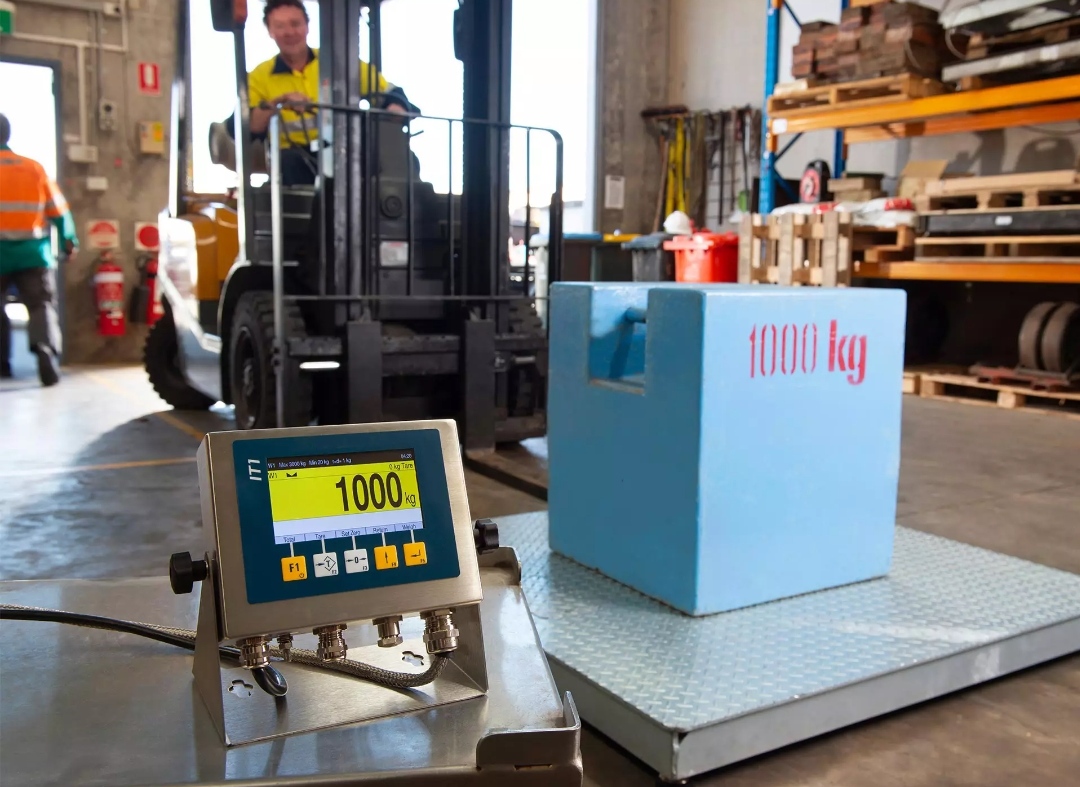
Industrial floor weighing scales are a crucial component in various industries, offering precise measurements that are vital for operations ranging from manufacturing to logistics. Selecting the right floor scale can significantly enhance efficiency, accuracy, and safety. With a myriad of options available, understanding the key features to look for when choosing an industrial floor weighing scale is essential. This article explores the critical aspects to consider, ensuring that the choice made aligns with specific operational needs, leading to more streamlined processes and improved outcomes.
Capacity and Accuracy
The capacity of a floor weighing scale is a fundamental feature that dictates its suitability for specific tasks. It’s essential to choose a scale with an adequate weight capacity to handle the maximum load anticipated in the operational environment. Equally important is the accuracy of the scale, which should align with the precision requirements of the industry.
- Ensure the scale can handle the weight range needed for products or materials.
- Look for scales with high precision to maintain measurement integrity.
- Consider the scale’s calibration options to enhance accuracy.
Find out more about this approach to ensure capacity and accuracy are adequately addressed.
Durability and Construction Material
Industrial environments can be harsh, requiring equipment that can withstand challenging conditions. The construction material of the scale plays a vital role in its longevity and durability.
- Stainless steel scales offer corrosion resistance, ideal for wet or chemical-prone environments.
- Heavy-duty construction ensures the scale withstands daily wear and tear.
- Consider shock and impact resistance if the scale will be used in high-traffic areas.
Explore advanced guides and tips on choosing durable materials here.
Platform Size and Design
The size and design of the scale’s platform should accommodate the dimensions of the items being weighed. A well-designed platform ensures ease of use and safety during operations.
- Choose a platform size that fits the largest expected load.
- Consider low-profile designs for easier loading and unloading.
- Non-slip surfaces enhance safety and reduce risk of accidents.
Learn about our tailored solutions for platform size and design by visiting this resource.
Connectivity and Integration
Modern industrial operations often require seamless integration between equipment and digital systems. Connectivity features in floor scales can significantly enhance operational efficiency.
- Look for scales with USB, Bluetooth, or Wi-Fi connectivity for data transfer.
- Ensure compatibility with existing enterprise resource planning (ERP) systems.
- Integration with software for data analytics can provide valuable insights.
Discover expert strategies here to improve connectivity and integration.
Ease of Use and Maintenance
A user-friendly interface and straightforward maintenance procedures are essential for minimizing downtime and training costs.
- Digital displays and intuitive controls contribute to ease of use.
- Regular maintenance should be simple to perform without specialized tools.
- Scales with easy-to-replace parts can reduce maintenance times and costs.
For comprehensive insights into ease of use and maintenance, explore this guide.
Conclusion
Choosing the right industrial floor weighing scale involves considering a variety of critical features that impact performance, safety, and efficiency. From capacity and accuracy to durability and connectivity, each aspect plays a pivotal role in ensuring the scale meets the demands of the specific industrial application. By focusing on these key features, businesses can make informed decisions that enhance operational effectiveness and support long-term success. For those seeking further assistance in selecting the right scale, resources such as this comprehensive guide can provide invaluable support in the decision-making process.