
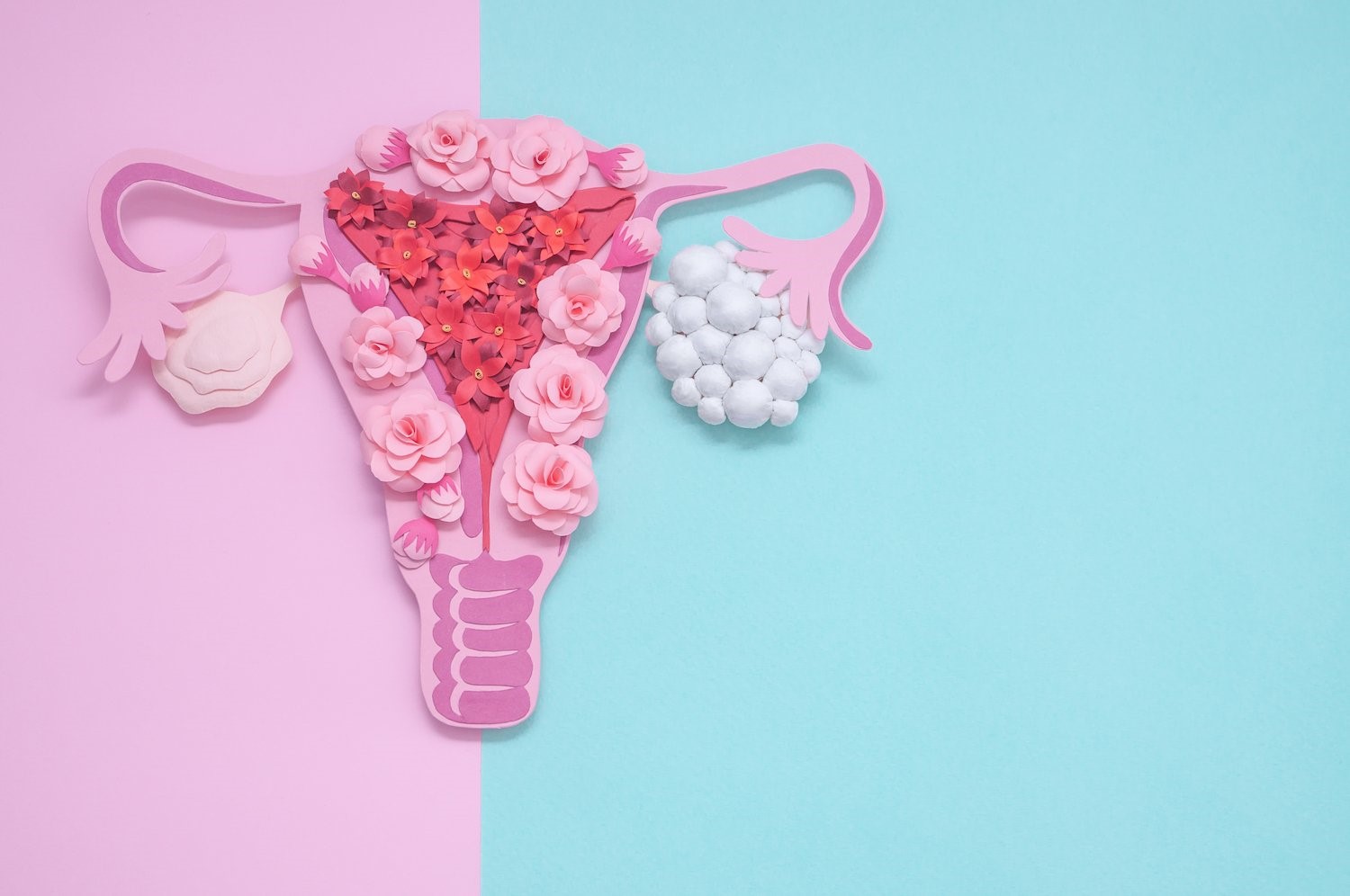
Endometriosis is a condition that affects millions of women worldwide, yet it remains shrouded in myths and misconceptions. This often leads to misunderstandings about its symptoms, causes, and treatments. By debunking these myths, a clearer understanding of endometriosis can be achieved, allowing those affected to seek appropriate care. This article delves into some of the most common myths surrounding endometriosis and provides insight into the real stories behind them.
Common Myths about Endometriosis
Myth 1: Endometriosis is Just a Bad Period
One of the most prevalent myths is that endometriosis is simply an extreme form of menstrual pain. However, this is far from the truth. Endometriosis is a chronic condition where tissue similar to the lining inside the uterus grows outside of it, causing significant pain and complications.
- This pain can occur at any time, not just during menstruation.
- It can affect fertility and lead to other serious health issues.
- Learn about our tailored solutions for addressing endometriosis here.
Myth 2: Endometriosis Only Affects Older Women
Another common misunderstanding is that endometriosis only impacts women in their late 30s or older. In truth, endometriosis can affect individuals from their teenage years onward.
- Young women and even teenagers can experience symptoms.
- Early diagnosis is crucial for managing the condition effectively.
- Explore advanced guides and tips on early diagnosis here.
Understanding the Causes of Endometriosis
While the exact cause of endometriosis is not fully understood, several theories suggest potential factors:
- Genetic predisposition, indicating a higher risk if a close family member is affected.
- Immune system disorders, where the body fails to recognize endometrial-like tissue growing outside the uterus.
- Environmental factors, although research in this area is ongoing.
Find out more about this approach to understanding causes here.
Debunking Treatment Myths
Myth 3: Hysterectomy Cures Endometriosis
A common misconception is that a hysterectomy, or the removal of the uterus, is a guaranteed cure for endometriosis. Unfortunately, this is not always the case.
- Endometriosis lesions can exist outside the uterus and may persist post-surgery.
- Comprehensive treatment plans are often necessary to manage symptoms effectively.
- Discover expert strategies for treatment here.
Myth 4: Pregnancy Cures Endometriosis
While pregnancy can temporarily relieve symptoms for some women, it is not a cure for endometriosis.
- Hormonal changes during pregnancy may reduce pain, but symptoms often return afterward.
- Long-term management strategies are essential for dealing with endometriosis.
- Learn about our tailored solutions for long-term management here.
The Road to Awareness and Support
Raising awareness about the realities of endometriosis is crucial for supporting those affected by the condition. Dispelling myths not only aids in early diagnosis but also encourages better treatment strategies and fosters a supportive community.
- Educational initiatives can help dismantle misconceptions and promote understanding.
- Support groups play a vital role in providing emotional and practical assistance.
- Explore advanced guides and tips for support groups here.
Understanding the complexities of endometriosis is a continuous journey. As research advances, the hope is that more effective treatments and possibly a cure will emerge, offering relief to those affected worldwide.