
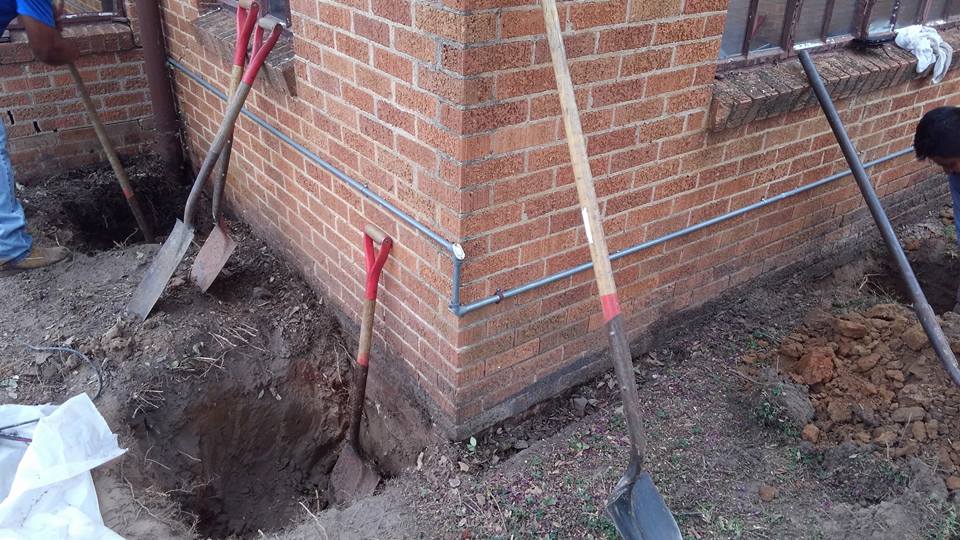
Basement repair is a critical aspect of maintaining a safe and functional home, especially in areas prone to particular environmental challenges such as Texas. The diverse soil types and humidity levels in Texas can lead to unique issues in basements, making it essential for homeowners to be informed about effective repair strategies. Understanding the reasons behind basement damage and the best practices for repair can help in preserving the value and safety of a home. This guide provides comprehensive insights into basement repair in Texas, helping homeowners navigate the complexities with confidence and ease.
Common Causes of Basement Damage in Texas
Texas is known for its diverse climate and soil conditions, which can significantly impact the structural integrity of basements. Here are some common causes of basement damage in this region:
- Soil Expansion and Contraction: The expansive clay soil prevalent in many parts of Texas absorbs water and expands during wet periods, and contracts during dry spells, putting pressure on basement walls.
- Hydrostatic Pressure: Excessive rain can lead to water build-up around the foundation, increasing pressure on basement walls and causing leaks or cracks.
- Poor Drainage Systems: Inadequate drainage can lead to water pooling around the foundation, exacerbating hydrostatic pressure and leading to structural issues.
- Improper Construction Techniques: Basements built without considering local soil and weather conditions may suffer more damage over time.
To mitigate these issues, it is crucial to regularly inspect basements and address any signs of damage promptly. Discover expert strategies here.
Signs That Your Basement Needs Repair
Identifying the early signs of basement damage can prevent more extensive repairs down the line. Homeowners should be vigilant for the following indicators:
- Cracks in the Walls or Floor: Noticeable cracks can indicate structural issues or water pressure problems.
- Water Seepage or Puddles: Persistent water intrusion is a clear sign of inadequate drainage or hydrostatic pressure.
- Mold or Mildew Growth: Damp conditions promote fungal growth, which can pose health risks and further weaken structures.
- Musty Odors: A persistent musty smell can indicate moisture issues that need to be addressed.
- Warped or Bowing Walls: These symptoms suggest significant pressure on basement walls, requiring immediate attention.
For more detailed information on identifying these signs, learn about our tailored solutions.
Effective Basement Repair Solutions
Once basement damage is identified, selecting the appropriate repair solution is crucial. Here are some common methods used in Texas:
Waterproofing Systems
Installing interior and exterior waterproofing systems can effectively prevent water infiltration. These systems include:
- Interior drain tile systems
- Exterior waterproof coatings
- French drains
These solutions help manage water flow and prevent future seepage. Explore advanced guides and tips on effective waterproofing methods.
Foundation Repair Techniques
For structural issues, foundation repair techniques such as piering and underpinning can stabilize and strengthen the basement. These techniques involve:
- Installing steel piers
- Using helical piers for support
- Underpinning with concrete
These methods effectively address shifting and settling foundations. Find out more about this approach.
Maintaining a Healthy Basement
Regular maintenance can prevent many of the issues leading to basement repairs. Homeowners should:
- Ensure proper grading around the home to direct water away from the foundation.
- Regularly clean and maintain gutters and downspouts.
- Install sump pumps if necessary to manage water accumulation.
- Conduct routine inspections for any signs of water damage or structural issues.
In conclusion, a proactive approach to basement maintenance and repair is essential for Texas homeowners. By understanding the unique challenges posed by the local environment and implementing effective solutions, homeowners can protect their investments and ensure the safety of their homes. For additional resources and expert advice, consider visiting the full guide here.