
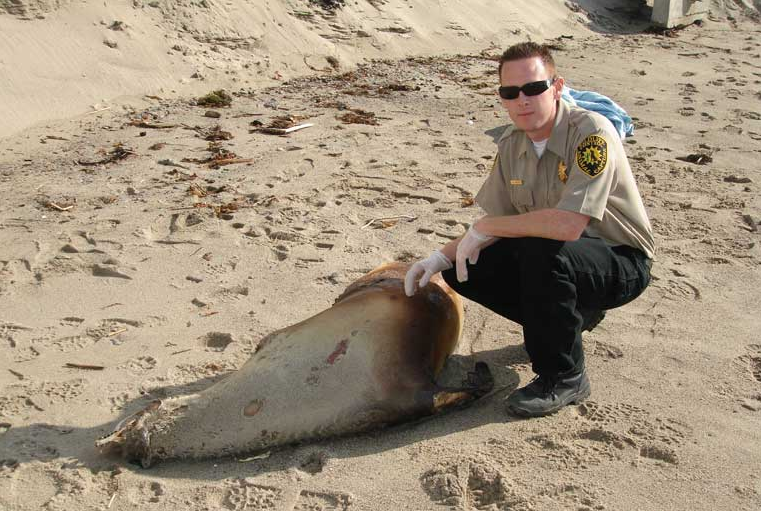
The presence of a deceased animal within a property can pose serious health risks and create an unpleasant environment. Prompt removal of dead animals is crucial for maintaining hygiene and ensuring the well-being of inhabitants. Beyond the immediate aesthetic concerns, the decomposition of animal carcasses can lead to the proliferation of harmful bacteria and an increase in pest activity. Understanding the importance of swift action in such scenarios can greatly mitigate potential hazards and restore the safety and comfort of living spaces.
Health Hazards Associated with Dead Animals
The decomposition process of an animal carcass introduces a variety of health hazards. These risks are not limited to unpleasant odors but extend to more severe consequences:
- The spread of bacteria and viruses, which can lead to infections.
- Increased attraction of pests such as flies, maggots, and rodents, which can further spread disease.
- Potential contamination of air and surfaces with harmful pathogens.
Prompt dead animal removal is essential to mitigate these health risks and prevent the onset of secondary infestations.
Environmental Impact
Decomposing carcasses can have a detrimental effect on the surrounding environment. This impact can manifest in several ways:
- Soil contamination from the leaching of body fluids.
- Adverse effects on local water sources if located nearby.
- Unpleasant and pervasive odors that can affect the quality of life in the vicinity.
Addressing these environmental concerns swiftly ensures that the local ecosystem remains balanced and free from disturbances caused by decomposing organic matter.
Professional vs. DIY Removal
Benefits of Professional Services
Engaging professional services for dead animal removal offers several advantages:
- Expertise in locating and safely removing carcasses from difficult-to-access areas.
- Use of specialized equipment and protective gear to ensure safe handling and disposal.
- Thorough cleaning and deodorization of affected areas to prevent residual contamination.
Risks of DIY Removal
Attempting to remove a dead animal without expert assistance can pose several risks:
- Lack of proper equipment can lead to exposure to harmful bacteria and viruses.
- Improper disposal methods may result in legal issues or environmental harm.
- Incomplete removal may leave behind remnants that continue to attract pests.
In such scenarios, consulting with a professional dead animal removal service is advisable to ensure comprehensive and safe handling.
Legal and Ethical Considerations
There are several legal and ethical considerations associated with the removal and disposal of dead animals:
- Compliance with local regulations regarding the disposal of animal remains.
- Consideration for humane and environmentally responsible disposal methods.
- Reporting large-scale animal deaths to relevant authorities for investigation and action.
Staying informed about these regulations is essential to avoid potential fines and contribute to ethical wildlife management practices.
Conclusion
The timely removal of dead animals from residential or commercial properties is more than a matter of convenience; it is a crucial step in maintaining public health, environmental integrity, and community well-being. By prioritizing professional dead animal removal, individuals can ensure that they address the associated risks effectively and responsibly. Understanding the comprehensive benefits of such services underscores their importance in ensuring both personal and environmental health.