
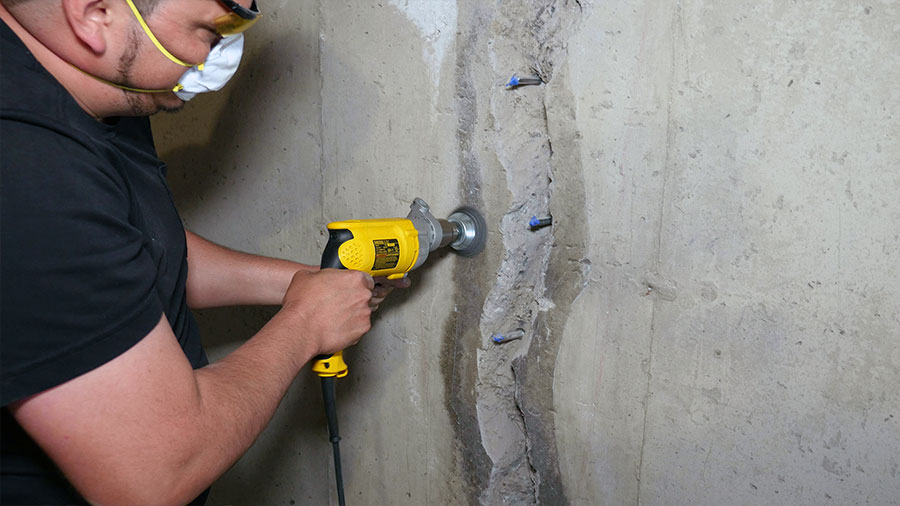
A leaky basement is a common problem for many homeowners, causing dampness, odors, and even structural damage if left unaddressed. Fortunately, there are several affordable options to tackle this issue without breaking the bank. Understanding the causes of basement leaks and knowing the available solutions can help preserve the integrity of a home’s foundation while maintaining a healthy indoor environment. This article explores economical strategies for repairing a leaky basement, offering practical guidance for homeowners looking to address this pervasive issue effectively.
Identifying the Source of the Leak
Before implementing any repair solutions, it’s crucial to identify the source of the water intrusion. Common causes include:
- Cracks in foundation walls
- Inadequate drainage systems
- Improperly sealed windows
- Defective gutters and downspouts
A thorough inspection will guide the selection of the most appropriate and cost-effective repair method. For more information on identifying and addressing leaks, visit this comprehensive guide on leaky basement repair.
Affordable Repair Options
Sealing Cracks and Joints
One of the simplest and most affordable ways to fix a leaky basement is by sealing visible cracks and joints in the foundation walls. Use products such as:
- Hydraulic cement for active leaks
- Polyurethane or epoxy injection for deeper penetration
- Waterproofing sealants for surface protection
These materials are readily available at hardware stores and can be applied by homeowners with minimal experience.
Improving Drainage Systems
Improper drainage is a leading cause of basement leaks. Enhancing the drainage around the home can significantly reduce water infiltration. Consider these options:
- Extending downspouts to direct water away from the foundation
- Installing or repairing gutters to manage roof runoff
- Creating a slope around the foundation to encourage water flow away from the house
Simple adjustments to the home’s drainage system can be a cost-effective way to prevent future leaks.
Installing a Sump Pump
In areas prone to heavy rainfall or high water tables, a sump pump can be a valuable investment. It works by collecting water that accumulates in the basement and pumping it out and away from the home. This solution:
- Reduces the risk of flooding during heavy rains
- Protects the home’s foundation from water damage
- Is relatively affordable, particularly the manual pump options
Regular maintenance of the sump pump is essential to ensure its effectiveness during critical times.
Additional Considerations
Regular Inspections
Routine inspections can help identify potential problems before they escalate. Look for early signs of water damage, such as:
- Discoloration or efflorescence on walls
- Musty odors indicating mold growth
- Visible water stains or dampness
Early detection can save significant repair costs in the long run.
Professional Assistance
For more complex or extensive issues, seeking professional help might be necessary. While this option is more costly, experts can provide tailored solutions and ensure the job is done correctly. Researching and selecting a reputable service provider is crucial for effective and lasting repairs.
In summary, addressing a leaky basement involves understanding the source of the problem and applying suitable solutions. From sealing cracks to improving drainage, several affordable options exist that can effectively manage and prevent water intrusion. Regular maintenance and inspections are instrumental in maintaining a dry and functional basement. For those requiring professional intervention, selecting a reliable service provider ensures peace of mind and long-term protection. For further insights, explore this detailed resource on leaky basement repair.