
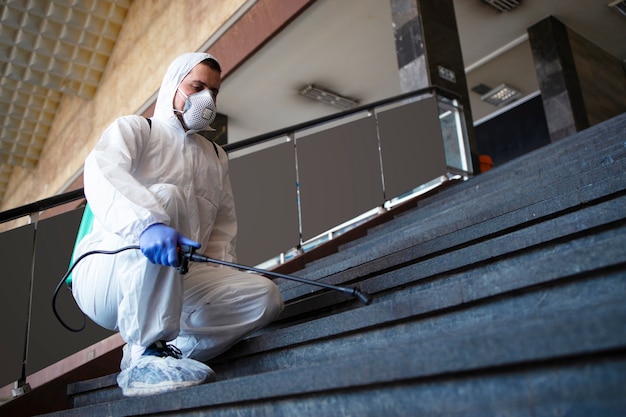
Mold in the attic is a common issue that many homeowners face. It can lead to health problems and structural damage if not addressed promptly and effectively. This guide will walk through the essential steps to safely remove attic mold, ensuring a healthier living environment and maintaining the integrity of the home structure. As with any DIY project, it’s crucial to understand the scope of the problem and when professional intervention might be necessary. For those considering expert assistance, discover expert strategies here.
Understanding Attic Mold
Before tackling the removal process, it”?s important to understand what causes attic mold and how it can be identified.
Causes of Attic Mold
- Inadequate Ventilation: Poor ventilation can trap moisture, creating an ideal environment for mold growth.
- Roof Leaks: Water intrusion from a damaged roof often leads to mold development.
- Improper Insulation: Insulation that blocks soffit vents can lead to moisture buildup and mold.
Identifying Mold in the Attic
- Visual Inspection: Look for black or greenish spots on wooden surfaces.
- Musty Odor: A distinct musty smell can indicate mold presence.
- Health Symptoms: Unexplained allergies or respiratory issues may signal mold exposure.
Steps to Safely Remove Attic Mold
Once mold has been identified, follow these steps to remove it safely and effectively. For comprehensive guidance, explore advanced guides and tips.
Preparation and Safety Measures
- Wear Protective Gear: Use gloves, eye protection, and a mask to prevent mold exposure.
- Seal the Area: Close off the attic to prevent spores from spreading to other parts of the house.
Cleaning the Mold
- Use Mold Removal Products: Apply a mold removal solution to affected areas. Follow the manufacturer”?s instructions carefully.
- Scrub the Surfaces: Use a brush to scrub the mold off the surfaces. Rinse and repeat as necessary.
Preventing Future Mold Growth
- Improve Ventilation: Ensure attic vents are unobstructed to allow proper airflow.
- Fix Leaks Promptly: Regularly inspect and repair roof leaks to prevent moisture accumulation.
- Monitor Humidity Levels: Use a hygrometer to keep attic humidity below 60%.
For more comprehensive prevention techniques, learn about our tailored solutions.
When to Call a Professional
While minor mold infestations can often be handled independently, there are situations where professional help is advisable. Large infestations or mold that affects significant structural elements should be managed by experts. Find out more about this approach.
Customer Experiences
For those considering professional services, customer feedback can be invaluable. See what others are saying about us for insights into customer satisfaction and service quality.
In conclusion, addressing attic mold requires careful assessment, appropriate safety measures, and targeted cleaning strategies. Whether opting for a DIY approach or seeking professional assistance, ensuring the attic remains mold-free is essential for a healthy home environment. For further resources, including expert advice, explore advanced guides and tips available online.