
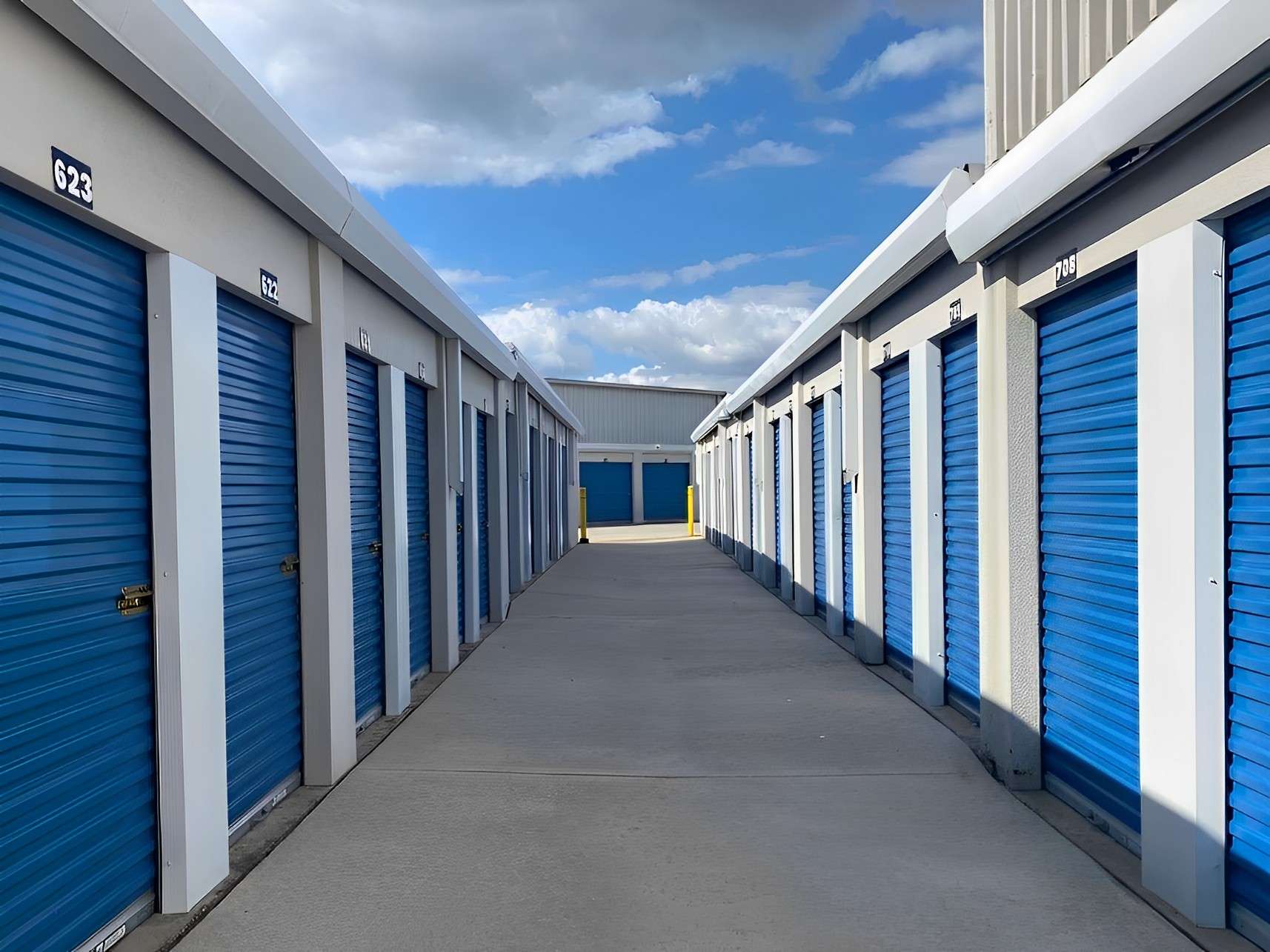
Space constraints within homes and businesses often lead individuals to seek additional storage solutions. Indoor storage units present a reliable and secure option for storing various types of belongings safely. These units provide a controlled environment, offering protection against external elements, pests, and potential security threats. As the need for extra storage grows, understanding how to effectively utilize indoor storage units becomes essential. This guide explores key considerations when selecting and using indoor storage units, ensuring the safety and preservation of stored items.
Benefits of Indoor Storage Units
Indoor storage units offer several advantages that make them an attractive choice for individuals looking to store belongings safely:
- Climate Control: These units often provide climate-controlled environments, protecting sensitive items from extreme temperatures and humidity.
- Enhanced Security: Facilities with indoor units typically incorporate robust security measures like surveillance cameras, access control systems, and security personnel.
- Protection from Elements: Indoor units shield belongings from weather-related damage, including rain, snow, and dust.
- Privacy: These units offer a higher level of privacy compared to outdoor storage solutions.
Choosing the Right Indoor Storage Unit
Size Considerations
Selecting the appropriate size is crucial when renting an indoor storage unit. Consider the volume of items to be stored and allow for some extra space for easy access and potential future needs. Most facilities offer a range of unit sizes, from small lockers to larger rooms, to accommodate different storage requirements.
Location and Accessibility
Location plays a significant role in choosing a storage unit. Proximity to home or business can provide convenience, especially if frequent visits are anticipated. Additionally, assess the accessibility of the unit within the facility. Ground-level units or those with elevator access can make loading and unloading more manageable.
Facility Amenities
When evaluating indoor storage facilities, consider the amenities offered:
- Security Features: Look for facilities with comprehensive security measures, such as gated access, surveillance cameras, and on-site personnel.
- Cleanliness: A clean facility indicates good maintenance and care, reducing the risk of pests and damage to items.
- Customer Service: Good customer service can enhance the storage experience, providing assistance and addressing concerns promptly.
Effective Use of Indoor Storage Units
Organizing Your Storage Space
Efficient organization within the unit maximizes space and ensures easy access to stored items. Consider the following tips:
- Label Boxes: Clearly labeling boxes helps identify contents and locate items quickly.
- Create Aisles: Leave pathways between boxes or furniture to access all areas of the unit without moving items.
- Use Shelving: Install shelving units to stack boxes and items vertically, optimizing space.
Packing Tips for Safety
Proper packing techniques safeguard belongings during storage:
- Use Quality Materials: Invest in sturdy boxes and packing materials to prevent damage.
- Wrap Fragile Items: Use bubble wrap or packing paper to protect delicate items.
- Disassemble Furniture: Break down furniture when possible to save space and reduce the risk of damage.
Conclusion
Indoor storage units offer a practical solution for safely storing personal and business belongings. By understanding the benefits, selecting the appropriate unit, and utilizing effective storage practices, individuals can protect their items from damage and theft. Whether for short-term needs or long-term storage, indoor units provide a secure and accessible option for managing excess belongings. As storage needs evolve, these units remain a valuable resource for ensuring the safety and integrity of stored items.