
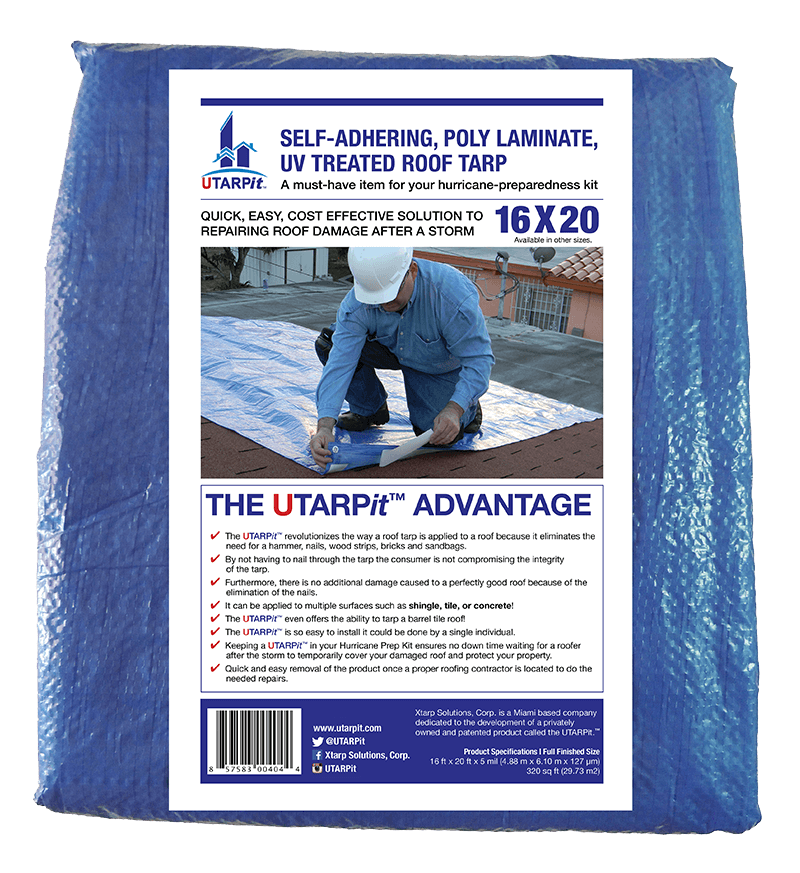
When a roof requires temporary protection, whether due to storm damage or while awaiting repairs, tarps are an effective solution. Selecting the right tarp is crucial to ensure maximum protection against the elements, especially in regions prone to extreme weather conditions. This guide will explore the top five tarps for roof protection, examining their features, benefits, and how they can be utilized effectively. Each option has been meticulously chosen to provide robust coverage and reliability.
1. Polyethylene Tarps
Polyethylene tarps are a popular choice for roof protection due to their durability and water resistance. These tarps are crafted from woven polyethylene fibers, making them both lightweight and strong.
- Waterproof: Offers excellent protection against rain and moisture.
- UV Resistant: Protects the roof from harmful UV rays.
- Economical: Provides a cost-effective solution for temporary coverage.
For those seeking the best tarp for roof protection, polyethylene tarps are a reliable option that balances cost and function effectively.
2. Vinyl Tarps
Vinyl tarps are known for their heavy-duty capabilities. These tarps are often used in commercial settings due to their strength and longevity.
- Heavy-Duty: Ideal for long-term applications and severe weather conditions.
- Mildew Resistant: Prevents growth of mold and mildew, maintaining tarp integrity.
- Fire Retardant: Offers additional safety in areas prone to wildfires.
3. Canvas Tarps
Canvas tarps are a traditional option that provides breathability while still offering significant protection. They are particularly useful in situations where airflow is necessary.
- Breathable: Allows moisture to escape, preventing condensation issues.
- Eco-Friendly: Made from natural fibers, reducing environmental impact.
- Reusability: Durable enough to be used multiple times.
4. Mesh Tarps
Although not completely waterproof, mesh tarps are useful for certain types of roof protection, especially in scenarios where partial shelter is sufficient.
- Ventilation: Provides airflow, reducing heat buildup under the tarp.
- Lightweight: Easy to handle and install.
- Cost-Effective: An economical choice for less demanding applications.
5. Tarpaulin with Reinforced Edges
Tarpaulins with reinforced edges are designed to provide extra durability and strength, making them a robust choice for protecting roofs.
- Extra Strength: Reinforced edges prevent tearing and extend the tarp’s lifespan.
- Secure Installation: Reinforced grommets ensure secure fastening.
- Versatile: Suitable for a variety of applications beyond roof protection.
Conclusion
Choosing the right tarp for roof protection involves considering the specific needs and environmental conditions of the area. Each type of tarp offers unique advantages, whether it’s the durability of vinyl or the breathability of canvas. When selecting a tarp, factors such as weather resistance, durability, and specific application requirements should guide the decision-making process. By using this comprehensive guide, identifying the most suitable tarp for ensuring roof protection becomes a straightforward task.