
In the realm of traffic management, selecting the right traffic barrier is crucial for ensuring safety and efficiency on roadways, construction sites, and event spaces. Traffic barriers are not one-size-fits-all; rather, they come in a variety of types and materials, each designed to meet specific needs and conditions. Understanding the distinct features and benefits of each type is essential for making an informed decision that aligns with your specific requirements.
Types of Traffic Barriers
Traffic barriers come in several different forms, each serving unique purposes depending on the environment and the specific needs they address. Here are some common types:
- Concrete Barriers: Often used on highways, these barriers are known for their robustness and durability, providing effective separation between lanes or protecting construction zones.
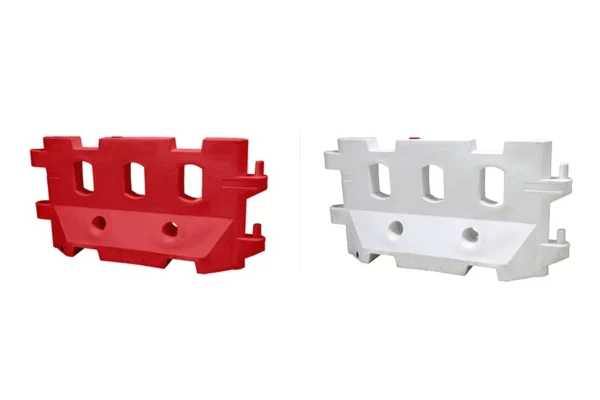
- Plastic Barriers: Lightweight and versatile, these barriers are often used in temporary settings and can be filled with water or sand for added stability.
- Metal Barriers: Used for crowd control and managing pedestrian traffic, metal barriers are both strong and portable.
- Water-Filled Barriers: These barriers offer a flexible solution for temporary traffic management and can be easily relocated as needed.
Considerations for Choosing the Right Barrier
When choosing a traffic barrier, consider the following factors to ensure that you select the most appropriate solution for your needs:
Purpose and Environment
The primary purpose of the barrier and the environment in which it will be used are key considerations. For high-speed roadways, concrete barriers may be necessary to withstand impact. In contrast, for events or short-term construction sites, water-filled or plastic barriers may suffice. To delve deeper into expert strategies, discover expert strategies here.
Mobility and Installation
Consider how often the barriers will need to be moved. For static, long-term applications, heavier barriers such as concrete might be suitable. However, for situations requiring frequent relocation, plastic or water-filled barriers offer greater mobility. Learn about our tailored solutions to find barriers that are easy to install and reposition.
Cost and Budget
Budget constraints can significantly impact the choice of traffic barriers. While concrete barriers may offer superior protection, they also tend to be more expensive. Plastic barriers can offer a more budget-friendly solution for temporary applications. It’s important to weigh the cost against the level of safety and functionality required. Explore advanced guides and tips for cost-effective solutions.
Safety Standards and Compliance
Ensuring compliance with local and national safety standards is crucial when selecting traffic barriers. Certain projects may require barriers that meet specific regulatory guidelines. Always verify that the products you are considering adhere to the necessary safety standards. To ensure compliance, find out more about this approach.
Conclusion
Choosing the right traffic barrier involves a careful assessment of various factors including purpose, environment, mobility, budget, and compliance with safety standards. By understanding the specific needs of your project and the characteristics of different barrier types, you can make an informed decision that enhances safety and efficiency. For further insights and options, consider exploring detailed resources and products designed to meet diverse traffic management needs.