
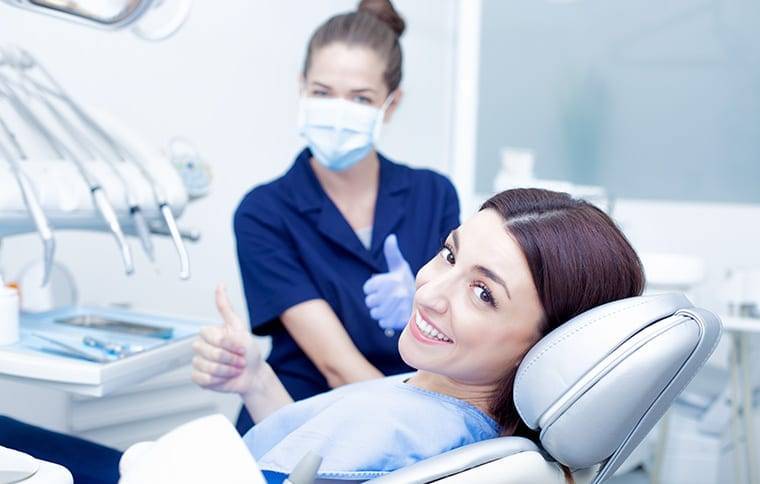
Oral health is a crucial component of overall well-being, yet it often gets overshadowed by other health priorities. Dental preventive care is essential in maintaining healthy teeth and gums, and it serves as a cornerstone in the fight against oral diseases. By engaging in regular preventive practices, individuals can significantly reduce the risk of developing severe dental issues, ultimately leading to more comfortable and cost-effective oral health management.
The Importance of Dental Preventive Care
Dental preventive care encompasses a variety of practices and professional services aimed at preventing dental problems before they arise. It not only preserves oral health but also contributes to better systemic health. Here are some key reasons why dental preventive care is indispensable:
- Prevention of Tooth Decay: Regular cleaning and fluoride treatments help prevent cavities, a common dental issue affecting people of all ages.
- Gum Disease Prevention: Professional cleanings and proper oral hygiene reduce the risk of gingivitis and periodontitis, which can lead to tooth loss if untreated.
- Early Detection: Routine check-ups facilitate early detection of potential issues, allowing for less invasive treatments.
- Cost-Effectiveness: Preventive care is generally less expensive than treatment for advanced dental problems.
Key Components of Preventive Care
Effective dental preventive care involves a combination of personal habits and professional services. The following components are essential:
At-Home Oral Hygiene Practices
- Brushing teeth at least twice a day with fluoride toothpaste.
- Flossing daily to remove plaque and food particles between teeth.
- Using mouthwash to help reduce plaque and prevent gum disease.
- Maintaining a balanced diet that limits sugary and acidic foods.
Professional Dental Services
Regular visits to a dental professional are crucial for maintaining optimal oral health. These visits may include:
- Professional Cleanings: Removal of plaque and tartar that regular brushing and flossing cannot reach.
- Examinations: Comprehensive assessments to check for signs of cavities, gum disease, and other oral health issues.
- Fluoride Treatments: Application of fluoride to strengthen teeth and prevent decay.
- Dental Sealants: Application of protective coatings on the chewing surfaces of back teeth to prevent decay.
The Role of Lifestyle in Oral Health
A healthy lifestyle plays a significant role in oral health. Habits such as smoking cessation and limiting alcohol consumption have a positive impact on oral hygiene. Additionally, staying hydrated and managing stress levels can contribute to better oral health outcomes.
Choosing the Right Dental Preventive Care Services
Selecting the appropriate dental preventive care services is crucial for effective oral health maintenance. When choosing a dental practice, consider the following:
- Look for qualified and experienced dental professionals who can offer comprehensive preventive care.
- Ensure the practice provides a range of preventive services, tailored to meet individual needs.
- Check for a welcoming and comfortable environment that prioritizes patient care and education.
Conclusion
Enhancing oral health through preventive care is a practical and effective approach to avoiding dental issues and maintaining a healthy smile. By integrating both personal hygiene practices and professional dental services, individuals can achieve long-lasting oral health benefits. Prioritizing dental preventive care not only contributes to a healthier mouth but also supports overall wellness.