
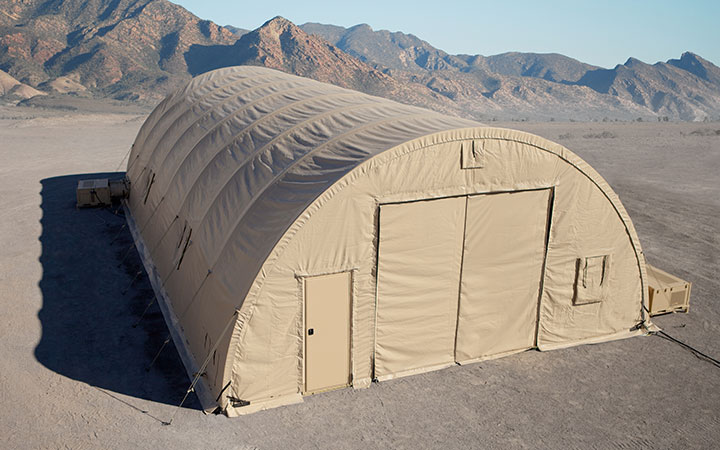
When planning an expedition into the rugged wilderness of Alaska, having the right tent is crucial to ensuring comfort and safety. The unpredictable weather and challenging terrain demand a shelter that is not only durable but also well-suited to the unique conditions of the region. This guide explores key considerations when selecting the best Alaska tents, taking into account factors such as material, size, and specific features that enhance usability in extreme environments.
Understanding the Essentials
Selecting a tent for Alaskan adventures involves understanding the fundamental requirements that such an environment imposes. Here are the key elements to consider:
Material and Durability
The material of the tent is critical for withstanding harsh weather. Consider the following:
- High-denier fabric for enhanced tear resistance.
- Waterproof coatings to protect against rain and snow.
- UV-resistant materials to prevent damage from prolonged sun exposure.
Design and Structure
The design of a tent significantly impacts its ability to withstand Alaskan conditions. Look for:
- Geodesic or dome structures for better stability in wind.
- Sturdy pole systems, preferably made of aluminum or high-quality alloy.
- Reinforced seams and zippers to prevent leaks and enhance durability.
Size and Capacity
The size of the tent should match the number of occupants and intended use. Considerations include:
- Space for sleeping comfortably with gear storage needs.
- Height and volume for ease of movement and comfort.
- Vestibules or additional room for storing gear and cooking equipment.
Seasonality and Weather Resistance
Alaskan weather is notorious for its unpredictability, making seasonality an essential factor:
- Four-season tents provide robust weather protection all year round.
- Ventilation features to reduce condensation in cold, humid conditions.
- Snow flaps and additional tie-down points for stability in snow and wind.
User-Friendly Features
While durability and protection are priorities, user comfort and convenience are also important:
- Easy setup and takedown mechanisms to save time and effort.
- Internal storage pockets and gear loops for organization.
- Color-coded parts for intuitive assembly.
Conclusion
Choosing the right tent for Alaskan adventures involves a careful balance between durability, size, and functional features suited to extreme conditions. By considering factors such as material, design, and weather resistance, adventurers can ensure a safe and comfortable shelter in the wilderness. For those seeking a high-quality option, exploring various Alaska tents can provide valuable insights into products that meet the rigorous demands of Alaskan terrain.