
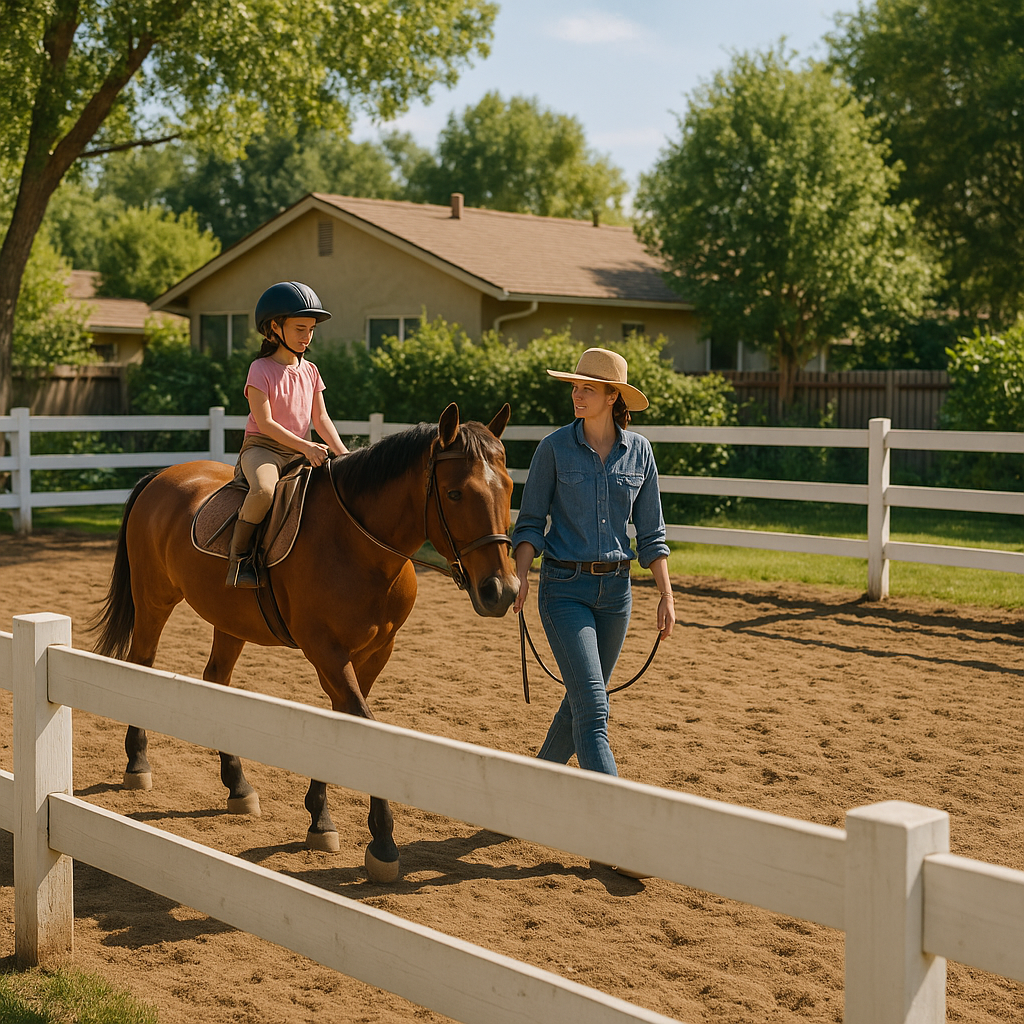
Managing horses in a confined space can be challenging but is increasingly necessary for those who wish to keep horses in urban or suburban settings. Backyard horse management demands not only a love for these majestic creatures but also a strategic approach to ensure their well-being and the effective use of available space. With careful planning and thoughtful execution, horse enthusiasts can create a thriving environment that meets the needs of both horses and owners. This article explores various strategies and tips for efficient backyard horse management.
Understanding the Basics of Space Utilization
The first step in managing backyard horses is to understand the spatial requirements and how different areas can be optimized. Effective space utilization involves:
- Designing multi-functional areas that serve more than one purpose.
- Implementing rotational grazing to maintain healthy pastures.
- Making use of vertical space for storage and equipment.
Multi-functional Spaces
Creating multi-functional spaces is a smart way to maximize the potential of a small backyard. Consider a barn that doubles up as a storage area or a training space that can be converted into a resting area. This not only saves space but also enhances the functionality of the area.
Feeding and Nutrition Management
Proper feeding strategies are crucial for maintaining horse health, especially in limited spaces. Considerations include:
- Choosing high-quality feed that meets nutritional requirements.
- Implementing scheduled feeding times to ensure consistency.
- Utilizing slow feeders to simulate natural grazing and reduce stress.
By focusing on quality rather than quantity, it’s possible to maintain healthy horses without requiring expansive grazing areas.
Waste Management Solutions
Effective waste management is essential in any horse-keeping environment, particularly in smaller spaces. Implementing a robust waste management plan can significantly improve the living conditions for both horses and owners. Strategies include:
- Regular manure removal to maintain hygiene and prevent parasite outbreaks.
- Composting horse manure as a sustainable waste management solution.
- Using bedding that is easy to clean and manage.
Composting Benefits
Composting not only reduces waste volume but also produces rich fertilizer that can be used to improve soil quality in pastures or gardens. This aligns with sustainable practices and contributes to a healthier environment.
Ensuring Adequate Exercise and Stimulation
Horses need regular exercise to maintain physical and mental health. In a backyard setting, this can be achieved through:
- Incorporating daily exercise routines that include lunging or hand-walking.
- Utilizing obstacle courses to provide mental stimulation and physical challenge.
- Scheduling regular riding sessions to ensure consistent exercise.
These activities not only keep horses fit but also help in managing behavior by reducing stress and boredom.
Conclusion
Managing backyard horses efficiently requires a combination of careful planning, creative use of space, and a deep understanding of equine needs. By implementing strategies such as multi-functional spaces, quality feeding, effective waste management, and regular exercise, horse owners can create a harmonious environment that benefits both the horses and the community. The key lies in balancing the space constraints with the needs of the horses to ensure a sustainable and healthy living arrangement.