
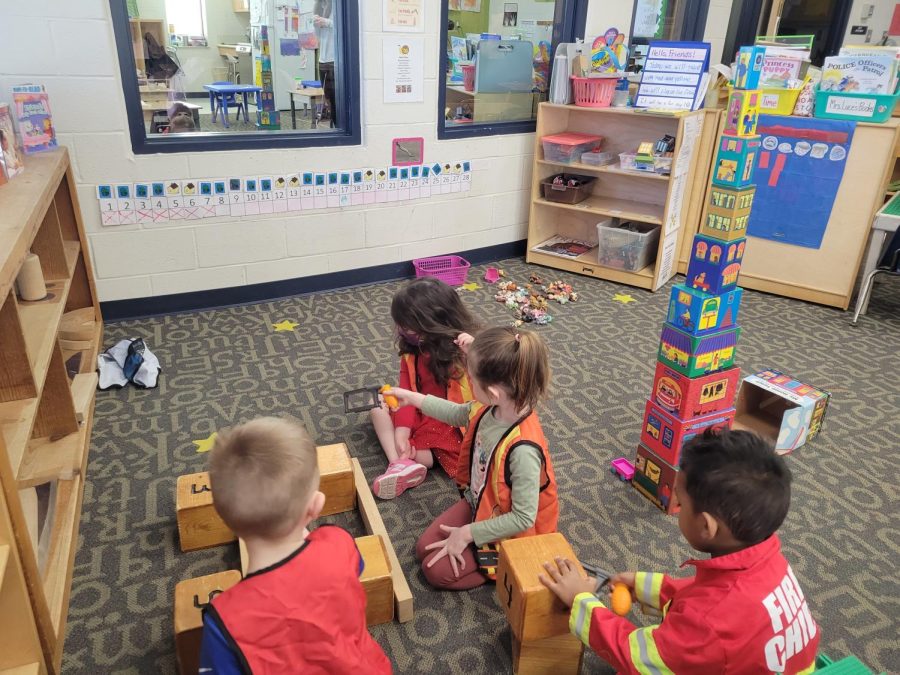
In the ever-evolving landscape of early childhood education, the importance of establishing a robust foundation for children cannot be overstated. A preschool learning center plays a pivotal role in shaping the cognitive, social, and emotional development of young learners. By fostering a nurturing and stimulating environment, these centers equip children with essential skills that set the stage for lifelong learning and success.
The Importance of Early Childhood Education
Early childhood education serves as the bedrock for future academic and personal achievement. Research consistently underscores the benefits of quality preschool experiences in promoting cognitive abilities and social skills. A preschool learning center is not just a place for children to play and socialize; it is a critical environment for learning and growth.
Cognitive Development
- Preschool programs introduce children to basic concepts in literacy and numeracy, laying the groundwork for more complex learning in later years.
- Interactive activities encourage problem-solving and critical thinking, which are crucial for intellectual development.
- Exposure to diverse learning experiences stimulates curiosity and a love for learning.
Social and Emotional Growth
- Children learn to interact with peers and adults, developing vital communication and interpersonal skills.
- Preschool settings provide opportunities for children to learn empathy, cooperation, and conflict resolution.
- Structured routines help children gain confidence and a sense of independence.
Key Components of a Quality Preschool Learning Center
A successful preschool learning center incorporates several key elements that contribute to a well-rounded educational experience. These components are carefully designed to address the diverse needs of young learners.
Qualified Educators
- Trained and experienced teachers who understand child development are essential for effective learning.
- Educators should employ a variety of teaching methods to cater to different learning styles.
- Continuous professional development ensures that teachers stay abreast of the latest educational practices.
Engaging Curriculum
- A balanced curriculum that combines academic learning with play-based activities enhances overall development.
- Incorporation of arts, music, and physical education fosters creativity and physical well-being.
- The curriculum should be adaptable to meet the unique interests and abilities of each child.
Safe and Stimulating Environment
- Classrooms should be safe, clean, and well-equipped with age-appropriate learning materials.
- Outdoor spaces allow for physical activity and exploration, important for healthy growth.
- Creating a welcoming and inclusive atmosphere helps children feel secure and valued.
Conclusion
Investing in a quality preschool learning center is a critical step in ensuring that children receive the foundational skills they need for future success. By prioritizing early childhood education, society can foster a generation of individuals who are well-prepared to meet the challenges of tomorrow. The role of these centers in nurturing young minds is indispensable, and their impact resonates far beyond the walls of the classroom.