
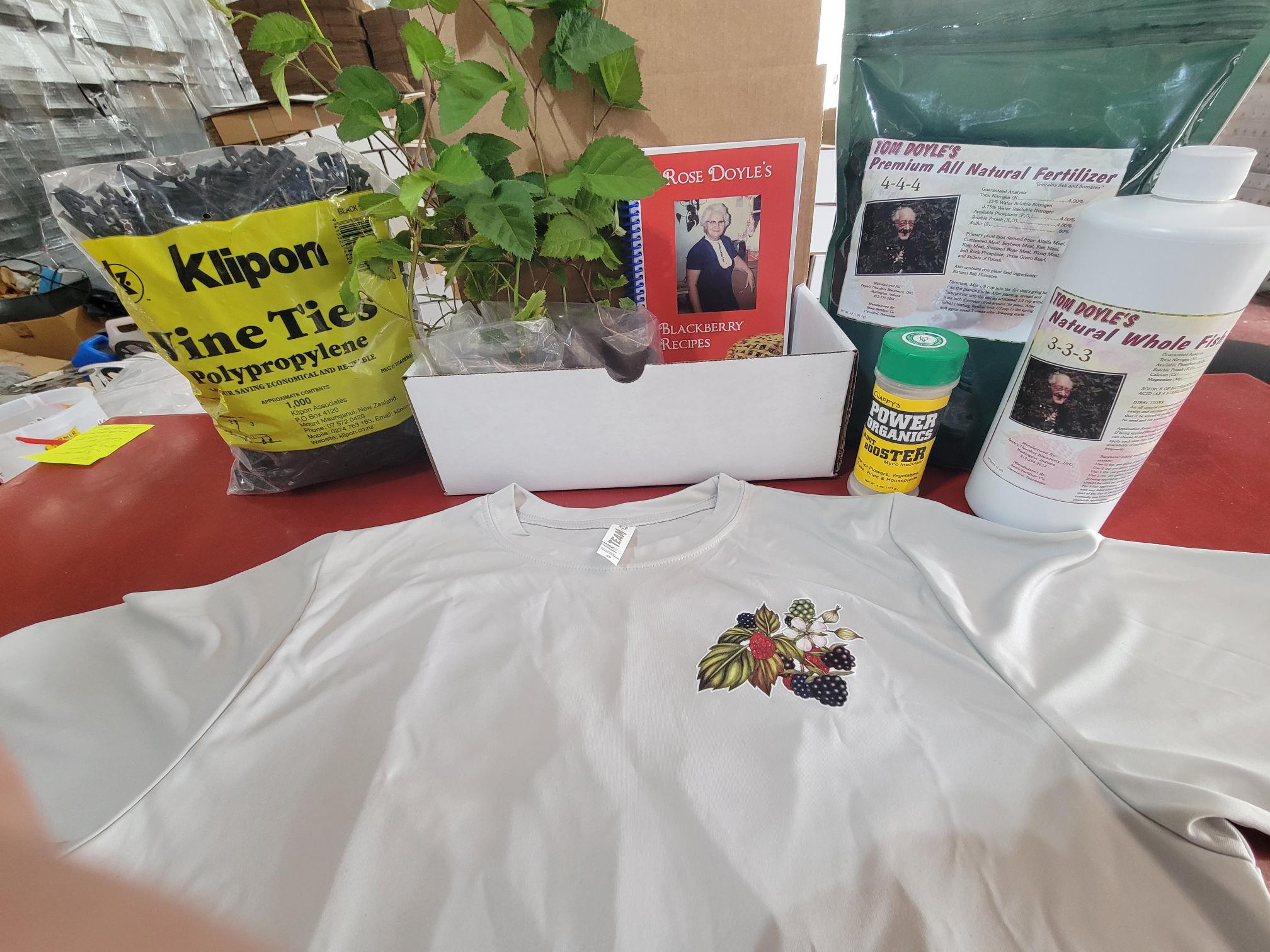
Blackberries are a popular choice for those interested in growing fruit at home, known for their sweet and tangy flavor as well as their versatility in various recipes. Trellis blackberry plants, in particular, offer a unique and efficient way to cultivate blackberries in a garden. This method not only enhances the yield but also promotes healthier plants. Understanding how to properly grow and care for these plants can lead to a bountiful harvest. This guide provides detailed insights into successfully cultivating trellis blackberry plants.
Choosing the Right Location
When planning to grow trellis blackberry plants, the choice of location is crucial. Blackberries thrive in full sun and well-drained soil. Here are some factors to consider:
- Ensure the spot receives at least 6-8 hours of sunlight daily.
- Avoid areas with standing water to prevent root rot.
- Consider proximity to a water source for regular watering.
- Test soil pH, aiming for a range between 6.0 and 6.5 for optimal growth.
Soil Preparation
Preparing the soil is a fundamental step in ensuring the health and productivity of your trellis blackberry plants. Begin by clearing the area of weeds and debris. Work in organic matter such as compost or well-rotted manure to enhance soil fertility and drainage. Raised beds can be particularly beneficial in areas with poor drainage.
Planting Trellis Blackberry Plants
Once the site is prepared, it”?s time to plant. Follow these steps for successful planting:
- Plant the blackberries in early spring once the danger of frost has passed.
- Space the plants about 3-4 feet apart to allow for adequate air circulation.
- Dig a hole large enough to accommodate the root ball without crowding.
- Place the plant in the hole and backfill with soil, ensuring the crown is at ground level.
- Water thoroughly to settle the soil around the roots.
Installing a Trellis System
A trellis system supports the canes, promoting better air circulation and light penetration. This setup also simplifies harvesting and reduces the risk of diseases. Consider the following guidelines:
- Install the trellis system immediately after planting to avoid damaging the roots later.
- Use sturdy materials such as wood or metal for the trellis structure.
- Ensure the trellis is tall enough to support the full height of the canes, typically 5-6 feet.
- Secure horizontal wires or strings along the trellis to guide the growth of the blackberry canes.
Maintenance and Care
Regular maintenance is key to the success of trellis blackberry plants. Here are some tips for ongoing care:
- Water consistently, especially during dry spells, to keep the soil moist but not waterlogged.
- Apply a balanced fertilizer in the spring to encourage vigorous growth.
- Prune annually to remove dead or damaged canes and to train new growth along the trellis.
- Monitor for pests and diseases, treating promptly to prevent spread.
Harvesting
Blackberries typically ripen in mid to late summer. Harvest when the berries are fully black and easily detach from the plant. It’s important to pick regularly to encourage continuous fruit production.
Conclusion
Growing trellis blackberry plants can be a rewarding endeavor, yielding delicious fruits while adding a beautiful element to your garden. By choosing the right location, preparing the soil, installing an effective trellis system, and maintaining regular care, you can enjoy a successful blackberry harvest. For those looking to start their journey, consider exploring options such as blackberry bundles to kickstart your garden.