
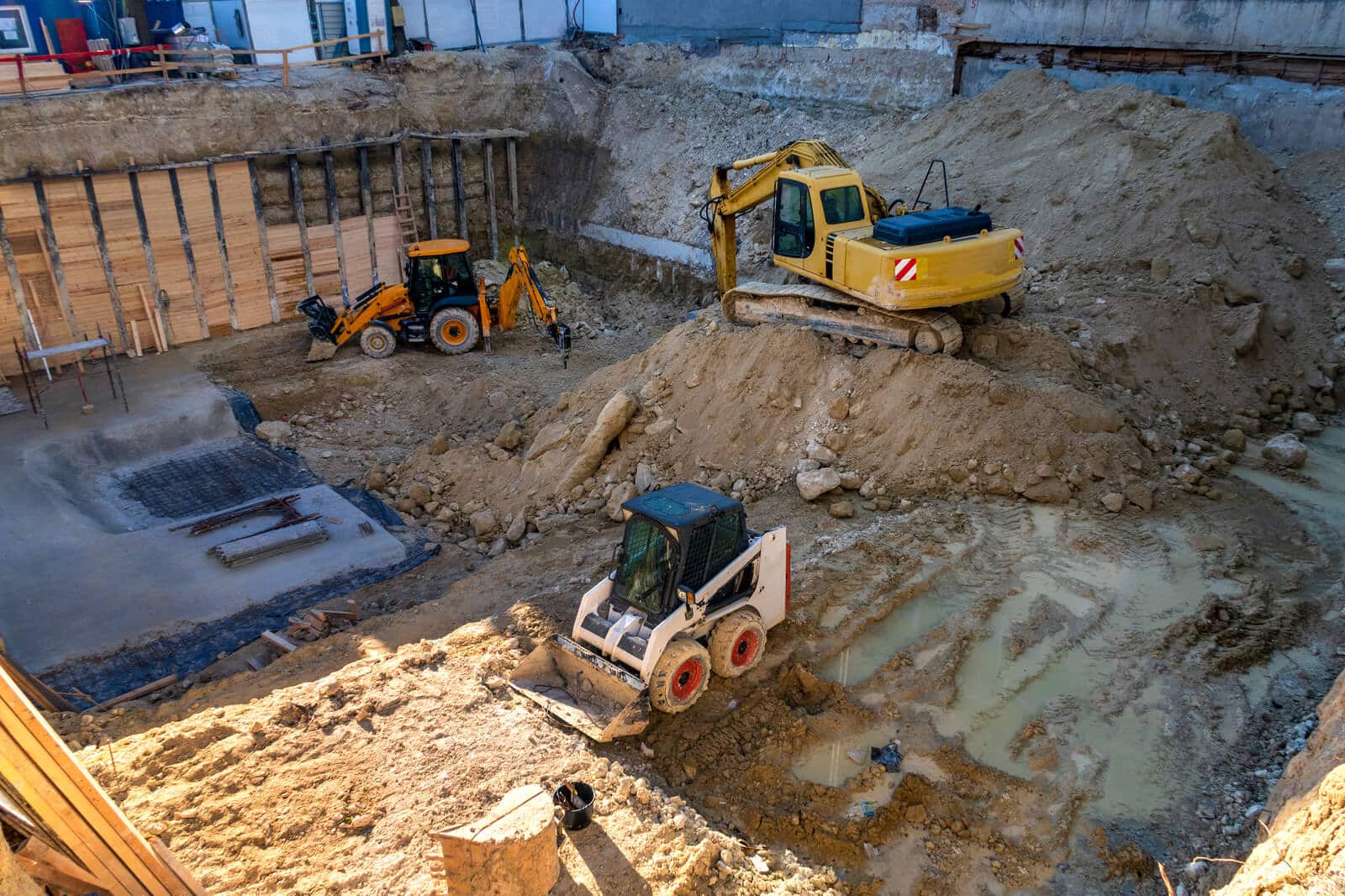
When it comes to preparing land for commercial development, the significance of expert commercial land grading cannot be overstated. This process is crucial for ensuring that a property is ready for construction, and it requires a detailed understanding of both the terrain and the specific needs of the project. Effective land grading not only facilitates a stable foundation for construction but also helps in water management, erosion control, and long-term sustainability of the property. Whether it’s a small retail outlet or a large industrial complex, proper grading lays the groundwork for successful development.
Understanding Commercial Land Grading
The process of commercial land grading involves reshaping the land surface to create a suitable base for construction. This is achieved by cutting, filling, and leveling the land to meet the specific requirements of a project.
Benefits of Professional Land Grading
- Foundation Stability: Proper grading ensures the ground is solid and level, preventing future structural issues.
- Water Management: Effective grading directs water away from structures, which is critical in preventing flooding and water damage.
- Erosion Control: By stabilizing the soil, grading prevents erosion, protecting the property and surrounding areas.
- Compliance with Regulations: Professional services ensure adherence to local codes and regulations, avoiding costly fines and project delays.
Choosing the Right Land Grading Services
When selecting land grading services, it is important to consider the expertise and experience of the contractor. A reputable contractor will have a proven track record of successful projects and a deep understanding of local terrain and regulatory requirements.
Factors to Consider
- Experience: Look for contractors with extensive experience in commercial site grading.
- Technology: Use of modern technology and equipment can enhance the precision and efficiency of the grading process.
- References: Check reviews and ask for references to ensure the contractor has a history of satisfied clients.
- Cost: Obtain detailed quotes to understand the pricing structure and ensure it fits within the project budget.
Steps Involved in Commercial Land Grading
The grading process involves several critical steps, each requiring careful execution to ensure the optimal outcome for the project.
Initial Assessment and Planning
Before any physical work begins, a thorough assessment of the land is conducted. This involves analyzing the soil composition, slope, and drainage patterns. Detailed planning follows, where the desired land contour is designed to accommodate the specific needs of the project.
Execution of the Grading Process
- Clearing: Removal of vegetation, rocks, and debris to prepare the site for grading.
- Cutting and Filling: Earth is moved from higher areas (cut) to lower areas (fill) to achieve the desired level.
- Compacting: The soil is compacted to increase its density, providing a stable base for construction.
- Finishing: Final adjustments are made to ensure the surface is level and smooth.
The Role of Technology in Land Grading
Modern land grading has greatly benefited from advancements in technology. The use of GPS and laser-guided systems allows for precise measurements and adjustments, ensuring the land is graded to exact specifications. This not only improves the accuracy of the grading process but also reduces the time and cost involved.
For those seeking land grading contractors near me, opting for a provider that employs advanced technology can lead to superior results and enhanced project efficiency.
Conclusion
Expert commercial land grading is an essential component of any successful construction project. By ensuring a stable and well-prepared base, it sets the stage for safe, efficient, and compliant development. Choosing the right service provider with the necessary expertise, experience, and technological capabilities is key to achieving the best possible outcome for any commercial land development endeavor.