
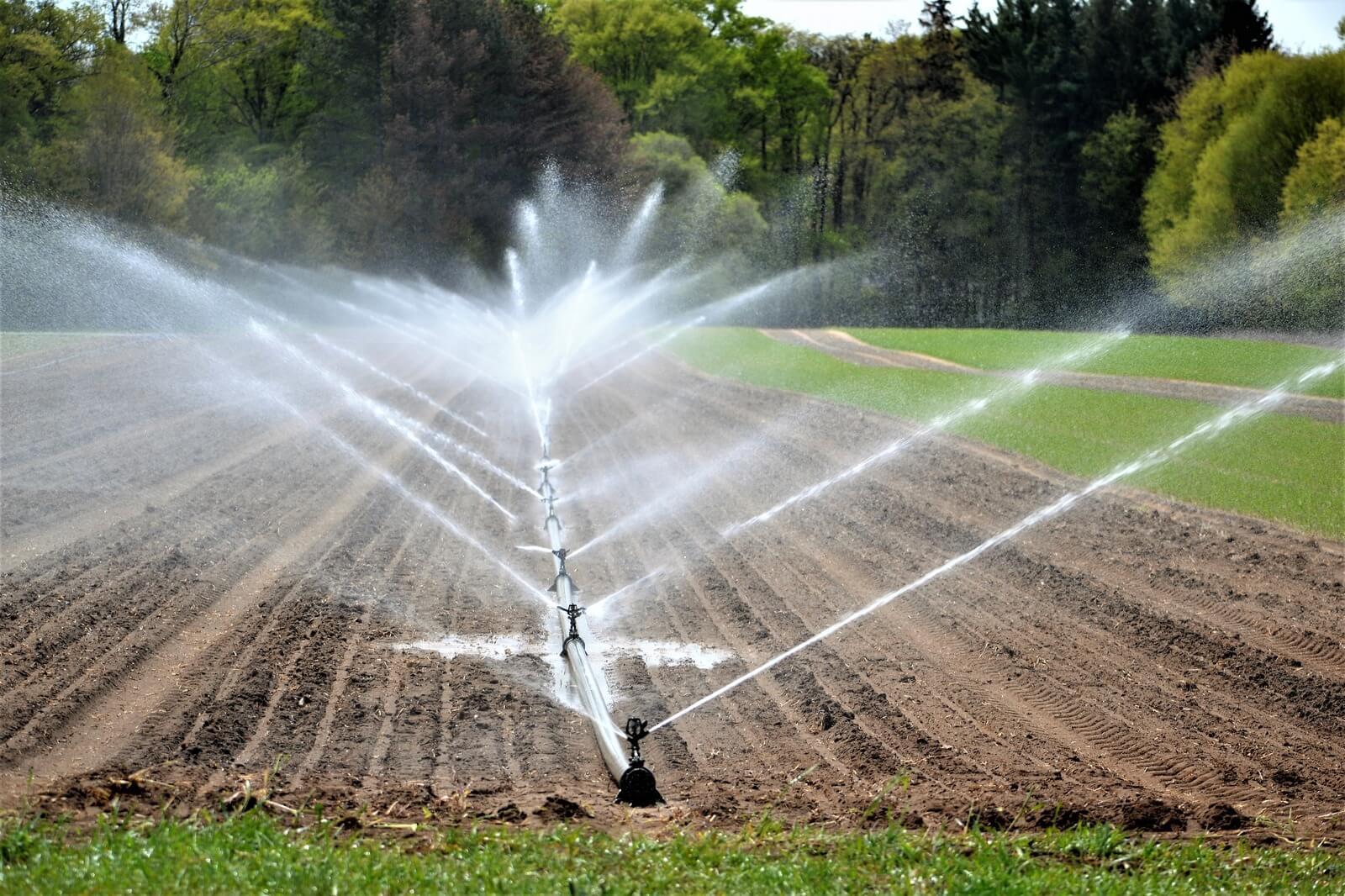
Efficient irrigation system installation is a crucial aspect of landscaping and agricultural management. It ensures that water is distributed evenly and conservatively, promoting healthy plant growth while minimizing waste. This article explores expert tips for effective installation, helping both professionals and DIY enthusiasts achieve optimal results.
Understanding the Basics of Irrigation Systems
Before embarking on an irrigation system installation, it’s essential to understand the various components involved:
- Water Source: Whether it’s a well, municipal supply, or rainwater collection, the water source dictates the system’s design and capacity.
- Piping: The network of pipes that distributes water to different areas. Materials and sizes vary depending on the application.
- Sprinklers and Drip Emitters: These are the delivery mechanisms that apply water to the plants. The choice between sprinklers and drip systems depends on the specific needs of the landscape.
- Control Valves: These regulate water flow and pressure, ensuring efficient operation.
- Timers and Controllers: Essential for automating the system, they help in scheduling water delivery to match the plants’ requirements.
Planning and Design Considerations
Successful installation begins with meticulous planning and design:
Evaluate the Landscape
Conduct a thorough assessment of the landscape to understand its unique needs. Consider factors such as soil type, topography, plant types, and climate. This information guides the selection of construction irrigation solutions that are both effective and sustainable.
System Design
Craft a detailed design that outlines the layout of pipes, sprinklers, and control systems. It’s important to:
- Use scale drawings to map out the system accurately.
- Consider zoning, which allows for different areas to be watered according to their specific needs.
- Incorporate pressure regulators to maintain consistent water pressure throughout the system.
Installation Best Practices
When it comes to the physical installation, adhering to best practices ensures efficiency and longevity:
Proper Trenching and Pipe Laying
The depth and alignment of trenches must be consistent with the design plan, ensuring that pipes are laid securely and protected from potential damage. Using quality materials and techniques is critical for avoiding leaks and ensuring durability.
Choose the Right Equipment
Selecting the appropriate equipment for the specific landscape and water needs is paramount. Opt for smart irrigation systems that offer precise control over water delivery, adjusting to weather conditions and plant requirements.
Testing and Maintenance
Once the system is installed, thorough testing is necessary to ensure everything functions correctly:
System Testing
Run the system through a complete cycle to check for leaks, proper coverage, and adequate pressure. Make adjustments as needed to ensure that all areas receive the intended amount of water.
Regular Maintenance
Regular maintenance is crucial for long-term functionality. This includes:
- Inspecting and cleaning sprinkler heads and drip emitters.
- Checking for leaks or blockages in the piping system.
- Updating timers and controllers to match seasonal changes in weather.
By following these expert tips, the efficiency and effectiveness of irrigation installations can be maximized, leading to healthier landscapes and more sustainable water use. For those seeking professional assistance, engaging specialized irrigation services can ensure that systems are designed and installed to the highest standards.