
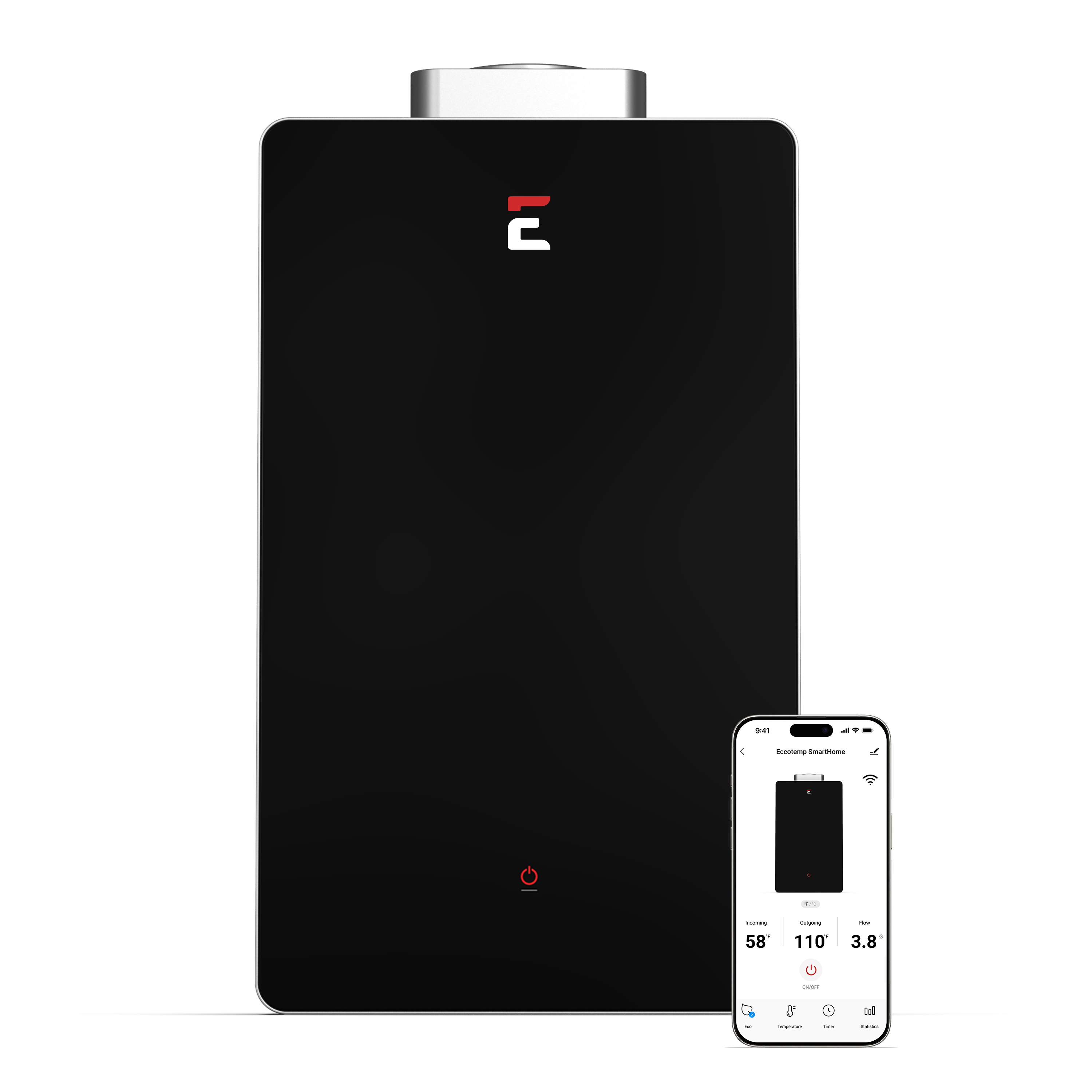
In today’s world, where energy efficiency and sustainability are at the forefront of global discussions, opting for a natural gas water heater can significantly contribute to reducing both your carbon footprint and utility bills. Natural gas water heaters offer a compelling combination of reliability, efficiency, and cost-effectiveness, making them an attractive choice for modern households. This article delves into the benefits of using a natural gas water heater and provides tips on maximizing energy savings.
Understanding the Benefits of a Natural Gas Water Heater
Natural gas water heaters are a popular choice for several compelling reasons:
- Cost-Effective: Natural gas is typically more affordable than electricity, leading to lower monthly energy bills.
- Efficient Heating: These heaters can heat water faster than their electric counterparts, providing hot water on demand without long waiting periods.
- Environmental Impact: By using natural gas, which burns cleaner than other fossil fuels, you contribute to a reduction in greenhouse gas emissions.
- Reliability: Gas water heaters continue to operate even during power outages, ensuring you always have access to hot water.
Choosing the Right Type of Gas Water Heater
When selecting a gas water heater, it”?s crucial to understand the different types available:
Tankless Water Heaters
For those seeking a compact and highly efficient solution, a gas tankless water heater is a great option. Unlike traditional models, they heat water on demand, eliminating the need for a storage tank and reducing energy wastage.
Propane Water Heaters
An alternative to natural gas, the propane tankless water heater offers similar benefits with the added flexibility of installation in areas where natural gas lines are not available.
Natural Gas Water Heaters
A natural gas water heater is ideal for homes with existing natural gas lines. These models provide a balance of efficiency, cost savings, and environmental sustainability.
Maximizing Energy Savings
To ensure maximum efficiency and cost savings from a natural gas water heater, consider the following tips:
- Regular Maintenance: Schedule regular inspections to check for leaks, sediment build-up, and ensure components are working efficiently.
- Insulation: Insulate pipes and the heater itself to minimize heat loss and improve efficiency.
- Optimal Temperature Setting: Set the water heater to an optimal temperature (usually around 120??F) to balance comfort and energy use.
- Upgrade to Energy-Efficient Models: Consider newer models with higher efficiency ratings that can further reduce energy consumption.
Conclusion
Investing in a natural gas water heater presents a practical solution for those looking to decrease energy costs while maintaining reliable access to hot water. By understanding the different options available and implementing strategies to maximize efficiency, homeowners can enjoy the benefits of reduced utility bills and a smaller environmental impact. Whether choosing a traditional model or a modern tankless system, the shift to gas heating aligns with sustainable living goals and offers long-term savings.