
Creating the perfect potting soil for tropical plants is crucial for their growth and vitality. Tropical plants, with their lush foliage and vibrant colors, can transform any indoor or outdoor space into a verdant paradise. However, to achieve this lushness, they require a specific soil mix that mimics their natural environment. This article provides essential tips for crafting a tropical plant potting soil that supports healthy growth and sustains the beauty of these exotic plants.
Understanding Tropical Plant Needs
Tropical plants thrive in environments that are rich in organic matter and well-draining. Understanding the specific needs of tropical plants is the first step towards creating an effective potting mix. A robust soil mix should have the following characteristics:
- High aeration to allow roots to breathe.
- Good water retention to keep the soil moist but not waterlogged.
- Nutrient-rich to support vigorous growth.
Components of an Ideal Tropical Plant Soil Mix
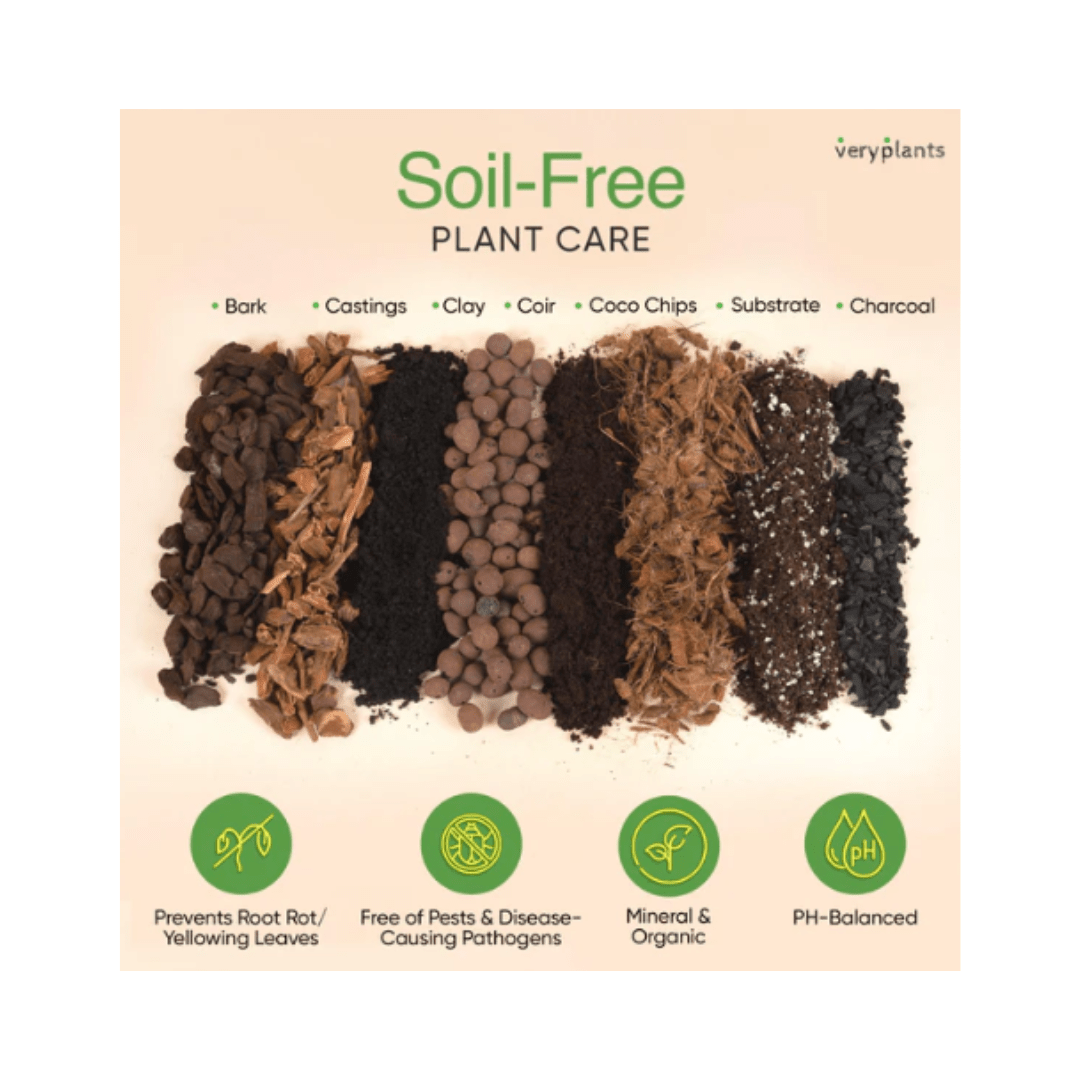
A well-balanced tropical plant soil mix often includes a combination of the following components:
- Coconut Coir: A sustainable alternative to peat moss, it improves water retention and aeration.
- Pine Bark Fines: Enhances drainage and adds organic matter.
- Perlite or Vermiculite: These materials help prevent soil compaction and improve aeration.
- Compost: Provides essential nutrients and improves soil structure.
By using these components, gardeners can create a soil mix that supports the unique needs of tropical plants. Explore advanced guides and tips for more detailed information on ingredient ratios and mixing techniques.
Step-by-Step Guide to Mixing Tropical Plant Soil
1. Gathering Ingredients
Begin by sourcing high-quality materials. Look for organic and pesticide-free options to ensure the health of your plants. Learn about tailored solutions that offer pre-mixed options tailored specifically for tropical plants.
2. Mixing the Soil
Follow these steps to create a balanced soil mix:
- Combine equal parts coconut coir and pine bark fines.
- Add perlite or vermiculite to enhance aeration.
- Mix in compost to provide nutrients.
Ensure the mixture is homogenous to provide consistent conditions for plant roots. Discover expert strategies here for achieving the perfect blend.
3. Testing the Soil
Test the soil”?s pH and drainage capabilities. Tropical plants generally prefer slightly acidic to neutral pH levels. Adjust the pH by adding lime to increase or sulfur to decrease acidity. Ensure adequate drainage by observing how quickly water passes through the soil.
Find out more about this approach to ensure your tropical plants receive the optimal growing conditions.
Maintaining Healthy Tropical Plants
Once the ideal potting soil is in place, maintaining plant health involves regular monitoring and care. Here are some tips:
- Water plants appropriately, allowing the soil to dry out slightly between waterings.
- Fertilize sparingly with a balanced, organic fertilizer during the growing season.
- Regularly check for pests and diseases, and manage them promptly.
By following these maintenance tips, gardeners can ensure their tropical plants remain vibrant and healthy. For more insights on maintaining tropical plants, explore advanced guides and tips.
Creating a lush environment for tropical plants starts with the right potting soil. By understanding the needs of these plants and carefully selecting and mixing soil components, gardeners can cultivate thriving tropical oases in their homes or gardens. With the guidance provided here, and by exploring additional resources, anyone can master the art of tropical plant care.