
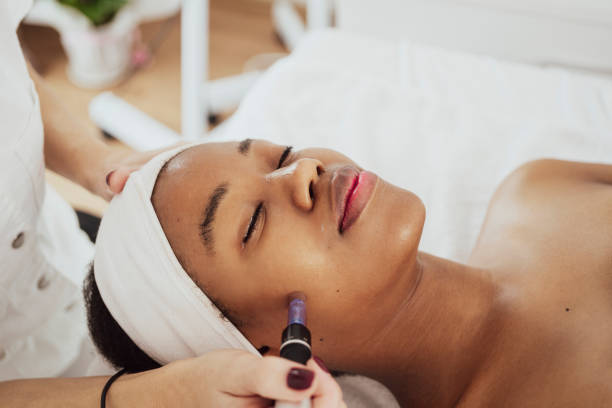
For those seeking a rejuvenated and youthful glow, microneedling has become a popular choice in the realm of cosmetic treatments. This minimally invasive procedure promises to improve skin texture, reduce the appearance of scars, and enhance overall skin health. But what exactly is microneedling, and how does it work? The following guide will explore everything you need to know about this innovative skin treatment, offering insights into its benefits, process, and considerations.
Understanding Microneedling
Microneedling, also known as collagen induction therapy, involves the use of fine needles to create micro-injuries on the skin’s surface. These controlled injuries stimulate the body’s natural healing response, boosting collagen and elastin production. These two proteins are crucial for maintaining skin firmness and elasticity.
Key Benefits of Microneedling
- Enhances skin texture and tone
- Reduces fine lines and wrinkles
- Minimizes acne scars and other forms of scarring
- Improves skin firmness and elasticity
- Boosts the effectiveness of topical skincare products
The Microneedling Process
The process begins with a consultation to determine the suitability of microneedling for your skin type and concerns. During the procedure, a professional will use a specialized device equipped with tiny needles to gently puncture the skin. The depth and intensity of these punctures can be adjusted based on the individual’s needs and the area being treated.
What to Expect During Treatment
- A topical anesthetic is applied to ensure comfort.
- The procedure typically lasts 30 minutes to an hour, depending on the treatment area.
- There may be some redness and slight swelling post-treatment, similar to a mild sunburn.
- Most individuals can return to normal activities within a day.
Post-Treatment Care
Proper post-treatment care is essential to achieve optimal results and minimize potential side effects. Here are some recommended care tips:
- Apply a gentle moisturizer and sunscreen regularly to protect the skin.
- Avoid direct sun exposure for at least a week post-treatment.
- Refrain from using makeup or harsh skincare products for at least 24 hours.
- Stay hydrated to support skin healing.
Considerations and Risks
While microneedling is generally safe for most skin types, it is important to be aware of potential risks and considerations:
- Not suitable for individuals with certain skin conditions, such as eczema or psoriasis.
- Risks include infection, bruising, or prolonged redness.
- Consultation with a qualified professional is crucial to assess suitability.
Conclusion
Microneedling offers a promising solution for those looking to improve their skin’s appearance and health. By understanding the process, benefits, and considerations, individuals can make informed decisions about incorporating this treatment into their skincare regimen. Always consult with a professional to ensure that microneedling is the right choice for your skin type and goals.