
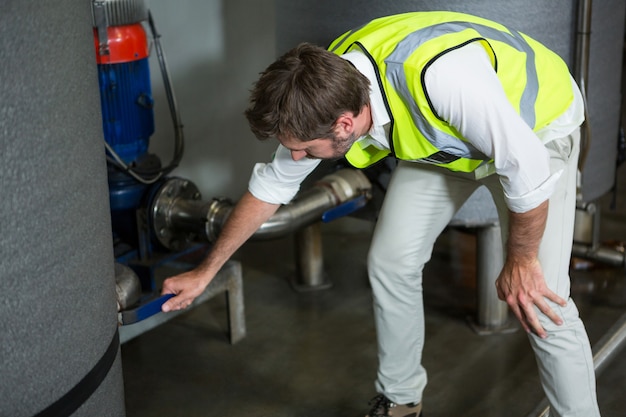
Basement water damage can be a homeowner’s nightmare, leading not only to structural issues but also posing severe health risks due to mold and mildew growth. Timely and expert restoration services are crucial in mitigating these problems, ensuring the safety and longevity of the property. Understanding the intricacies of water damage restoration is key to making informed decisions and choosing the best services available.
Understanding Basement Water Damage
Water damage in basements can arise from various sources, each requiring a unique approach to restoration. Common causes include:
- Heavy rainfall leading to flooding.
- Leaking pipes or plumbing fixtures.
- Faulty sump pumps.
- Cracks in the foundation or walls.
Each of these issues demands a specialized response to prevent long-term damage and potential health hazards. Discover expert strategies here to tackle different types of basement water damage effectively.
Steps in Basement Water Damage Restoration
Initial Assessment and Water Removal
Effective restoration begins with a comprehensive assessment of the affected area to determine the extent of the damage. This is followed by the crucial step of water extraction using advanced equipment to ensure all moisture is removed swiftly.
It is essential to act quickly to avoid further damage and mold growth. Learn about our tailored solutions for efficient water extraction and drying techniques.
Drying and Dehumidification
Once the water is removed, the next step involves thorough drying and dehumidification. These processes help in removing any remaining moisture from the walls, floors, and air, preventing mold and mildew development.
High-powered fans and dehumidifiers are typically employed during this phase to ensure optimal drying conditions. Explore advanced guides and tips for effective dehumidification methods.
Cleaning and Sanitizing
After drying, the affected areas are cleaned and sanitized to remove any contaminants and ensure a safe environment. This step is crucial in preventing potential health risks associated with water damage.
- Use of specialized cleaning agents to disinfect surfaces.
- Removal of damaged materials that cannot be restored.
- Application of anti-microbial treatments to prevent mold growth.
Professionals ensure that every nook and cranny is addressed, leaving the basement safe and hygienic.
Restoration and Repairs
The final step involves restoring the basement to its pre-damage condition. This can include repairing structural damage, replacing drywall, and repainting walls.
Restoration experts ensure high-quality repairs to maintain the integrity and aesthetic of the property. Find out more about this approach to comprehensive restoration services.
Why Professional Restoration Services Matter
Attempting to handle basement water damage without professional help can lead to incomplete restoration and future problems. Professional services offer:
- Expertise in handling various types of water damage.
- Access to advanced equipment and techniques.
- Thorough assessments and reliable solutions.
Choosing expert services ensures the job is done correctly, saving time and money in the long run. For insights into customer experiences, check out customer reviews here.
Conclusion
Basement water damage restoration requires a strategic and expert approach to ensure effective recovery and prevent future issues. Understanding the process and choosing the right professionals can make a significant difference in the outcome. Whether dealing with minor leaks or significant flooding, expert services offer the peace of mind that comes with knowing the restoration is handled with skill and precision. Explore advanced guides and tips for more information on effective water damage restoration strategies.