
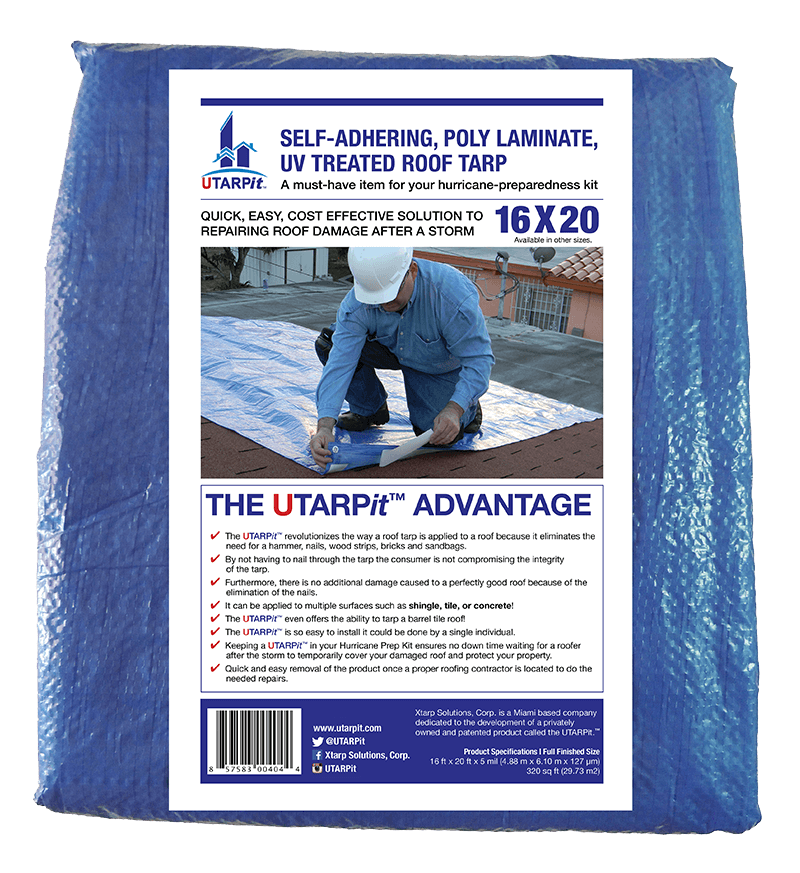
In the realm of home maintenance, the roof often finds itself at the center of focus due to its critical role in safeguarding the entire structure below it. While roofs are designed to withstand the elements, there are times when additional protection becomes necessary. This is where the utilization of long-term roof tarps becomes significant. Understanding the benefits of these tarps and how they can augment the longevity and durability of roofing systems is essential for homeowners and property managers alike.
The Role of Long-Term Roof Tarps
Long-term roof tarps serve as a temporary yet vital protective measure for roofs that have been compromised due to damage, deterioration, or in preparation for repair work. They are designed to provide extended coverage and withstand various weather conditions, offering peace of mind to property owners.
Protection Against Weather Elements
- Rain and Moisture: A long-term roof tarp can prevent water infiltration during rainy seasons, safeguarding the interior from water damage and mold growth.
- Sun Exposure: High-quality tarps are crafted to resist UV rays, preventing heat damage and preserving the integrity of the roof underneath.
- Wind Resistance: Constructed with durable materials, these tarps are capable of withstanding strong winds, ensuring that they remain in place during storms.
Cost-Effective Solution
Investing in a long-term roof tarp can be a cost-effective solution, particularly when compared to the immediate expenses associated with roofing repairs. These tarps offer a temporary fix that can extend the time needed to save for or plan more extensive repair or replacement work.
- Delays unnecessary repair costs while providing protection.
- Reduces the risk of further damage, which could escalate repair needs.
- Allows for flexibility in repair scheduling, particularly when waiting for insurance claims or contractor availability.
Applications for Long-Term Roof Tarps
Long-term roof tarps are versatile and can be used in a range of scenarios, from emergency damage control to preventive measures. Here are some common applications:
Emergency Situations
In the event of a severe storm, tree fall, or unexpected roof damage, long-term roof tarps provide immediate coverage to prevent further exposure to the elements.
- Quick installation to avoid additional water damage.
- A temporary shield against debris and environmental factors.
Planned Maintenance and Repairs
For ongoing construction or roof maintenance projects, these tarps ensure that the roof remains protected throughout the process.
- Serves as a precautionary measure during roof inspections and minor repairs.
- Provides ongoing protection for exposed areas during lengthy repair projects.
Choosing the Right Tarp
Selecting the appropriate long-term roof tarp involves considering various factors, including material, size, and durability. Here are some considerations to keep in mind:
- Material Quality: Opt for tarps made with robust materials that can endure harsh weather conditions.
- Size and Fit: Ensure the tarp covers the entire damaged area and is securely fastened to prevent dislodgment.
- Ease of Installation: Choose a tarp that can be installed quickly and easily, especially in emergency situations.
Conclusion
Incorporating a long-term roof tarp can significantly enhance the protection of a property. These tarps offer an effective barrier against environmental damage, provide a cost-efficient alternative to immediate repairs, and serve multiple functions in both emergency and planned maintenance scenarios. By understanding the benefits and applications of long-term roof tarps, property owners can ensure their roofs remain resilient against the elements, ultimately extending the lifespan of their roofing systems.