
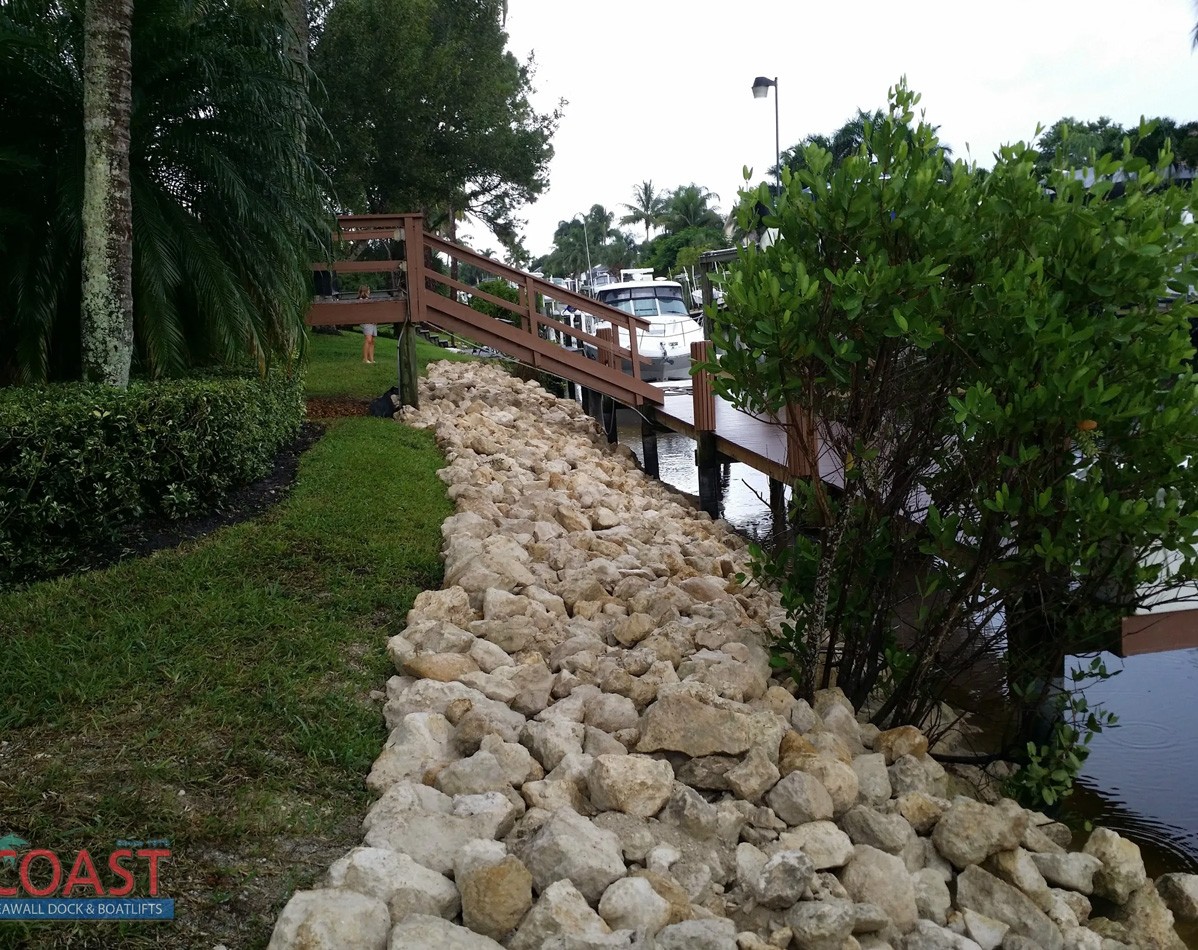
Rock revetment seawalls are vital coastal defense structures designed to protect shorelines and infrastructure from the relentless forces of ocean waves and erosion. Constructing a rock revetment involves strategic planning, expert design, and meticulous execution to ensure its longevity and effectiveness. This guide aims to offer insights into the construction and design of rock revetment seawalls, highlighting key considerations and best practices.
Understanding Rock Revetment Seawalls
Rock revetment seawalls are sloped structures made from layers of large stones or boulders. Their primary function is to absorb and dissipate the energy of incoming waves, preventing erosion and stabilizing the shore. These structures are particularly suitable for areas with moderate wave action and can be tailored to suit various environmental conditions.
Key Design Principles
Site Assessment and Analysis
The initial phase of designing a rock revetment involves a thorough site assessment. Factors such as wave climate, tidal range, and existing erosion patterns must be analyzed. A detailed understanding of these elements helps in tailoring the revetment design to the specific needs of the location.
- Conduct geological surveys to assess soil stability.
- Evaluate wave energy and direction to determine optimal stone size and placement.
- Analyze coastal hydrodynamics to anticipate potential future changes.
Material Selection
Choosing the right materials is crucial for the durability and effectiveness of a rock revetment seawall. Stones should be selected based on their size, density, and resistance to weathering.
- Opt for hard, durable stones such as granite or basalt.
- Ensure stones are of sufficient size to remain stable under wave action.
- Consider using a geotextile underlayer to enhance stability and prevent soil erosion.
For more detailed guidance on material selection and construction techniques, find out more about this approach.
Construction Techniques
Layering and Placement
The effectiveness of a rock revetment largely depends on the strategic layering and placement of stones. Properly executed, this ensures the structure can withstand wave impact and environmental forces.
- Start with a foundation layer of smaller stones or gravel to provide a stable base.
- Arrange larger stones on top, ensuring tight interlocking to enhance stability.
- Use machinery to precisely position stones and achieve the desired slope angle.
Maintenance and Monitoring
Regular maintenance is essential to preserve the integrity of a rock revetment seawall. Monitoring for signs of wear or displacement allows for timely repairs.
- Inspect the structure periodically for signs of erosion or stone movement.
- Replace dislodged or damaged stones promptly.
- Maintain surrounding vegetation to assist in soil stabilization.
For advanced guides and tips on maintaining rock revetments, explore advanced guides and tips.
Conclusion
Constructing a rock revetment seawall is a complex process that requires careful planning, expert design, and ongoing maintenance. When executed correctly, these structures offer robust protection against coastal erosion, safeguarding both natural and man-made environments. For those seeking professional assistance or more in-depth information, discover expert strategies here.