
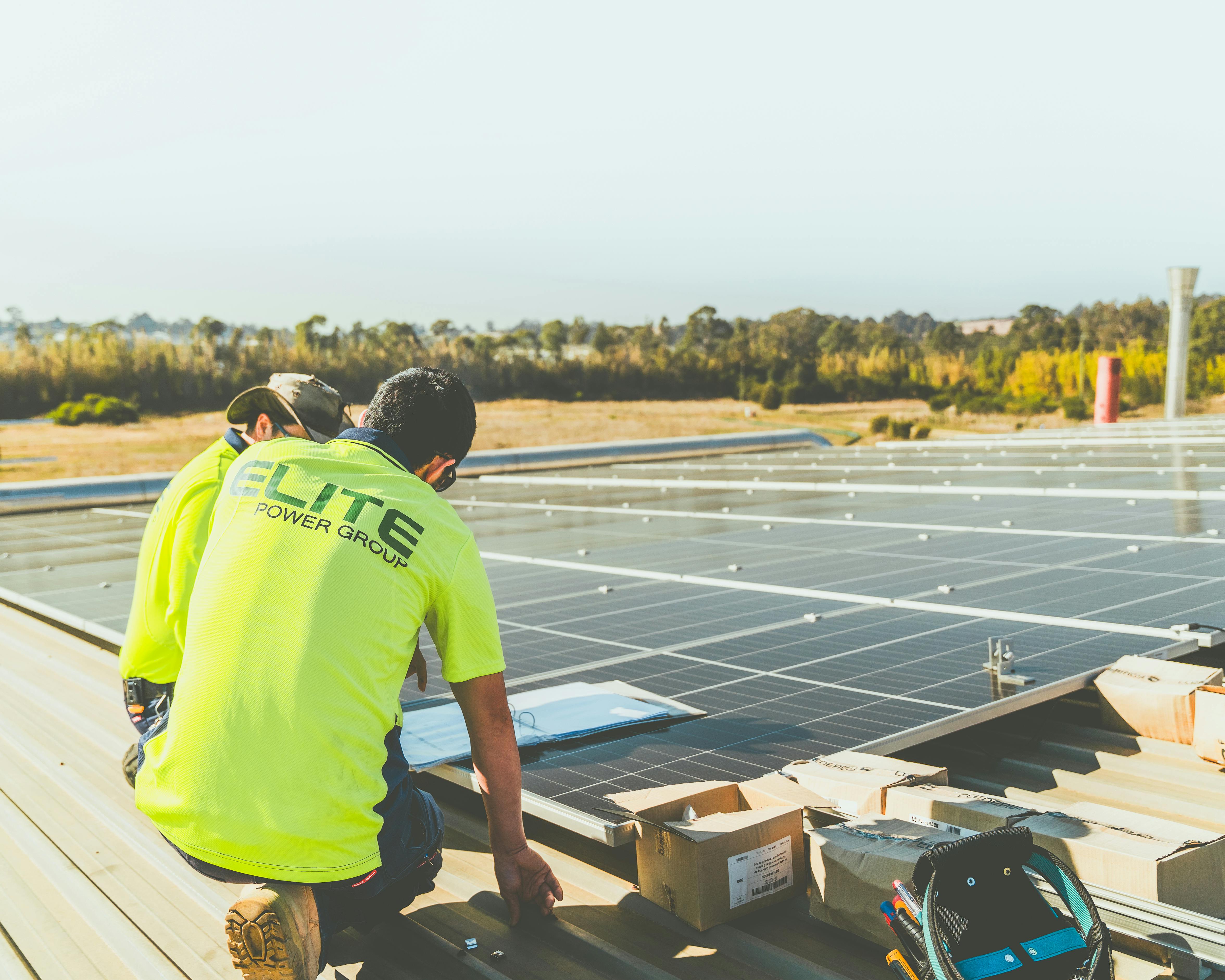
In an era where sustainability has become a pivotal focus, eco-conscious homeowners are increasingly seeking financial strategies that align with their values. Sustainable home financing options not only support environmental initiatives but can also offer financial benefits in the long term. Understanding these options and their impacts can empower homeowners to make informed decisions that contribute to environmental stewardship and fiscal responsibility.
Understanding Sustainable Home Financing
Sustainable home financing involves leveraging financial products and services that promote energy efficiency, reduce carbon footprints, and support the construction or renovation of eco-friendly homes. These options are designed to facilitate the adoption of green technologies and sustainable building practices.
Key Features of Sustainable Financing Options
- Access to lower interest rates for eco-friendly projects.
- Incentives for incorporating renewable energy systems.
- Potential for tax benefits and rebates.
- Support for retrofitting existing homes to improve energy efficiency.
For those interested in exploring these innovative financial solutions, explore advanced guides and tips to better understand how these options can be tailored to specific needs.
Types of Sustainable Home Financing
Green Home Loans
Green home loans are specifically designed to fund the purchase or construction of homes that meet certain environmental standards. These loans often offer more favorable terms than conventional loans, making eco-friendly homeownership more accessible.
Energy-Efficient Mortgages (EEMs)
Energy-Efficient Mortgages allow borrowers to finance cost-effective, energy-saving measures as part of their home purchase or refinance. These mortgages can significantly reduce utility bills, adding long-term savings. Find out more about this approach to integrate energy efficiency into your home financing plan.
PACE Financing
Property Assessed Clean Energy (PACE) financing is an innovative way for homeowners to fund energy-efficient and renewable energy projects. This type of financing is repaid through an assessment added to the homeowner’s property tax bill, offering a unique repayment structure that can be spread over many years.
Benefits of Sustainable Financing
Sustainable home financing is not just about aligning with environmental goals. There are substantial economic benefits as well:
- Reduction in utility bills through energy savings.
- Potential increase in home value due to energy-efficient upgrades.
- Eligibility for government incentives and rebates.
- Contribution to global sustainability efforts.
For more insights into how sustainable financing can benefit homeowners, discover expert strategies here.
Challenges and Considerations
While the advantages of sustainable home financing are clear, there are important considerations to keep in mind:
- Initial costs can be higher for green technologies and materials.
- Availability of financing options may vary by location.
- Understanding the specific criteria and eligibility for different financing programs is crucial.
Homeowners should carefully evaluate these factors and seek guidance from professionals to ensure that the chosen financial strategy aligns with both their environmental and financial goals. To assist in navigating these complexities, learn about our tailored solutions.
Conclusion
The path to sustainable homeownership requires a thoughtful approach to financing. By leveraging green home loans, energy-efficient mortgages, and innovative options like PACE financing, eco-conscious homeowners can achieve their sustainability goals while also enjoying economic benefits. As the landscape of sustainable financing continues to evolve, staying informed and proactive is key. Explore advanced guides and tips to stay ahead in this dynamic field.