
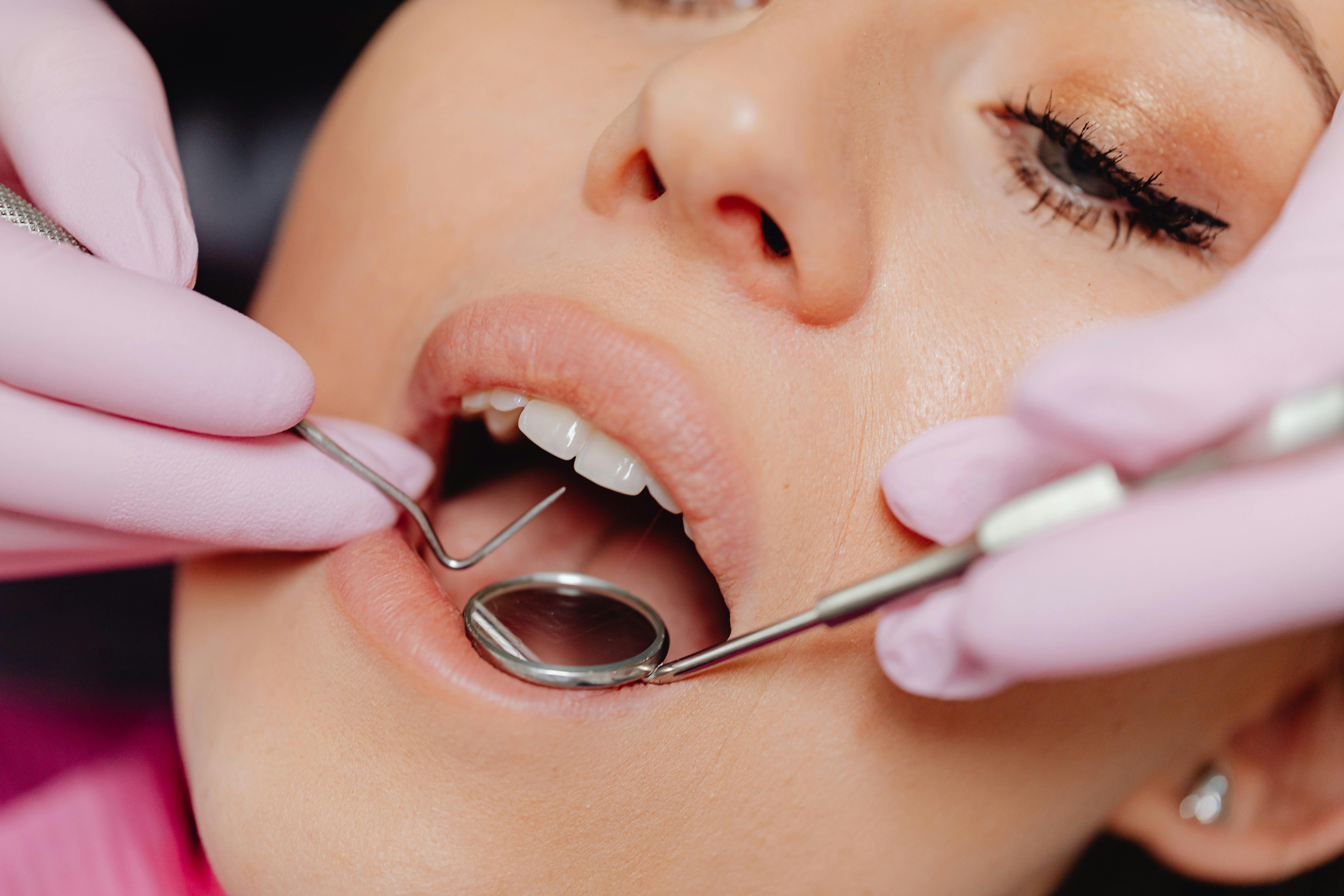
Dental health is integral to overall well-being, with periodontal care playing a critical role in maintaining healthy gums and teeth. Periodontal diseases, often known as gum diseases, are infections that affect the structures around the teeth, including the gums, periodontal ligament, and alveolar bone. Understanding the importance of periodontal care and how to effectively manage it can prevent severe health complications and promote a healthier lifestyle.
Understanding Periodontal Disease
Periodontal disease is typically caused by bacterial plaque, a sticky, colorless film that continually forms on the teeth. If not removed, it can harden into tartar, causing inflammation and leading to periodontal issues. There are several stages of periodontal disease:
- Gingivitis: The earliest stage, characterized by gum inflammation without bone loss.
- Mild Periodontitis: Inflammation progresses, causing the gums to pull away from the teeth, forming pockets that can become infected.
- Moderate to Advanced Periodontitis: Further destruction of the bone and supporting tissues, potentially leading to tooth loss.
Discover expert strategies here to manage each stage effectively.
Importance of Professional Periodontal Care
Regular professional dental check-ups are crucial in preventing and managing periodontal disease. Dentists and hygienists perform cleanings that remove plaque and tartar in areas brushing and flossing cannot reach. They can also provide insights into effective home care routines.
Key Benefits of Regular Dental Visits
- Early Detection: Dental professionals can identify early signs of periodontal disease and create a management plan.
- Comprehensive Cleaning: Professional cleanings remove tartar buildup, reducing the risk of gum inflammation.
- Personalized Advice: Learn about tailored solutions here for improving daily oral hygiene practices.
Effective Home Care Practices
Maintaining periodontal health requires a commitment to daily oral hygiene. Effective practices at home can significantly reduce the risk of gum disease and support the treatments provided by dental professionals.
Essential Home Care Tips
- Brushing: Brush teeth twice daily with fluoride toothpaste, focusing on the gum line where plaque tends to accumulate.
- Flossing: Floss daily to remove food particles and plaque between teeth where a toothbrush cannot reach.
- Mouthwash: Use an antimicrobial mouthwash to reduce bacteria and freshen breath.
Explore advanced guides and tips here for more effective home care strategies.
When to Seek Professional Help
While consistent home care is vital, there are certain signs that indicate the need for professional intervention. Recognizing these signs early can prevent more severe complications.
Signs to Watch For
- Persistent Bad Breath: Often a sign of bacterial buildup.
- Red or Swollen Gums: Indicative of inflammation and potential infection.
- Bleeding Gums: A common symptom of gingivitis and more advanced periodontal disease.
Find out more about this approach here to determine when professional care is warranted.
Conclusion
Periodontal care is a cornerstone of oral health, demanding attention and dedication both at home and through professional dental services. By understanding the stages of periodontal disease, adhering to effective hygiene practices, and recognizing when to seek professional help, individuals can significantly reduce their risk of developing severe gum disease. For those seeking comprehensive guidance and support, many resources are available to aid in achieving optimal periodontal health.