
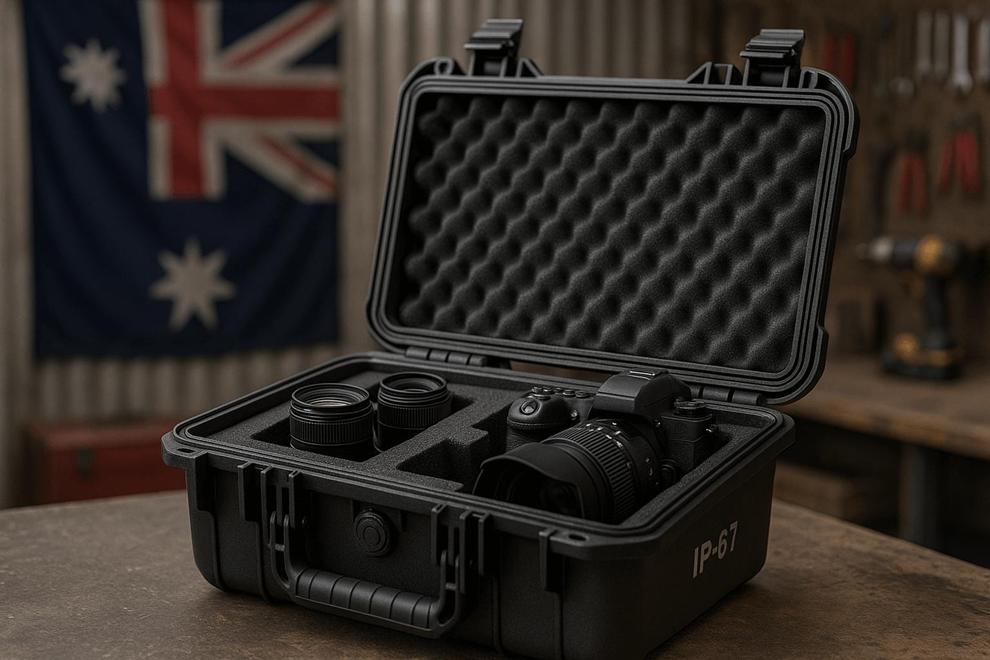
The durability of military cases is paramount for ensuring that sensitive equipment and supplies remain intact during rigorous missions. These cases must withstand extreme conditions, from harsh weather to rough handling. One critical component that significantly enhances the durability and functionality of these cases is the inclusion of custom foam inserts. These inserts are not merely fillers; they are meticulously designed to protect, organize, and preserve the integrity of the contents within military cases.
The Role of Custom Foam Inserts in Military Cases
Custom foam inserts play a fundamental role in enhancing the durability of military cases. Their primary function is to provide a tailored fit for the contents, which minimizes movement and the risk of damage. This customization is crucial for military operations where precision and reliability are non-negotiable.
Key Benefits of Custom Foam Inserts
- Protection: Foam inserts absorb shocks and vibrations, protecting sensitive equipment from impact during transport.
- Organization: Custom inserts ensure that every piece of equipment has its designated place, reducing the time spent searching for items.
- Space Efficiency: By ensuring a snug fit, foam inserts optimize space within the case, allowing for more efficient packing.
- Durability: They enhance the overall structural integrity of the case, enabling it to withstand harsh conditions.
Materials and Types of Foam Inserts
The choice of materials for foam inserts is pivotal in determining their effectiveness. Options vary from polyethylene foam, which is known for its durability, to more specialized foams that offer additional benefits such as moisture resistance and thermal insulation.
Common Foam Types Used
- Polyethylene Foam: Offers high durability and is resistant to chemicals and moisture.
- Polyurethane Foam: Known for its comfort and lightweight properties, making it ideal for cushioning.
- Cross-linked Polyethylene Foam: Provides a smooth surface and is ideal for applications requiring precision.
Choosing the right type of foam is critical for maximizing the benefits of custom inserts. To explore advanced guides and tips on selecting the best foam materials, visit this page.
Customization Process and Techniques
The process of customizing foam inserts involves several steps, including design, prototyping, and production. With advancements in technology, these processes have become more precise, ensuring that each component fits perfectly within its designated space.
Steps in Custom Foam Design
- Assessment: Evaluating the specific needs and dimensions of the equipment to be protected.
- Design: Creating a detailed layout to ensure a precise fit and optimal protection.
- Prototyping: Developing a prototype to test the fit and functionality before full production.
- Production: Utilizing advanced cutting techniques to produce the final inserts.
For more detailed information about the customization process and techniques, discover expert strategies here.
Conclusion
Incorporating custom foam inserts into military cases significantly enhances their durability and functionality. These inserts not only protect valuable equipment but also optimize the organization and space within the cases. The careful selection of materials and the precision of the customization process are crucial to achieving the best results. For those seeking tailored solutions to improve military case durability, learn about our tailored solutions to ensure mission success and equipment safety.