
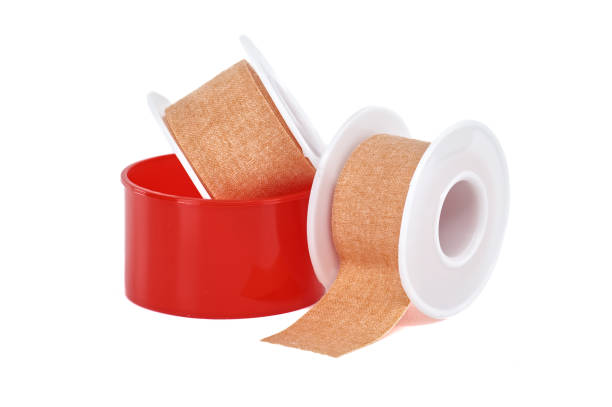
In the realm of wound care, medical tape plays a crucial role in ensuring that dressings remain secure, wounds are protected, and healing is optimized. With a variety of medical tapes available, each designed for specific purposes and skin types, understanding their differences is essential for healthcare professionals and caregivers alike. This article explores the different types of medical tape for wounds, offering insights into their unique properties, applications, and benefits.
Types of Medical Tape
Paper Tape
Paper tape is a lightweight, breathable option ideal for patients with sensitive skin. It is easy to tear and apply, making it a convenient choice for frequent dressing changes. Commonly used in hospitals and clinics, paper tape is suitable for wound dressing tape in non-critical areas.
Cloth Tape
Known for its durability and strength, cloth tape is often used for securing bulky dressings or splints. It is woven, providing excellent adhesion and flexibility. Cloth tape is ideal for long-term dressings where movement is anticipated, offering reliable support and security.
Transparent Tape
Transparent tape, often referred to as plastic tape, provides a clear view of the underlying skin, allowing for easy monitoring without removal. It is water-resistant, making it suitable for areas exposed to moisture. Transparent tape is a versatile choice for adhesive tape for skin where visibility is important.
Silicone Tape
Designed for painless removal and minimal skin trauma, silicone tape is perfect for patients with fragile skin. It can be repositioned without losing adhesive quality, making it an excellent option for chronic wound care and sensitive areas.
Elastic Tape
Elastic tape offers flexibility and stretch, conforming to body movements. This type of tape is commonly used in sports medicine and rehabilitation settings to provide support while allowing a range of motion. Elastic tape is also beneficial for securing dressings on joints or other mobile areas.
Choosing the Right Medical Tape for Wounds
Selecting the appropriate medical tape for wounds involves considering several factors:
- Skin Sensitivity: Opt for paper or silicone tape for sensitive skin to minimize irritation.
- Moisture Exposure: Use transparent or waterproof tapes for areas prone to moisture.
- Application Area: Choose elastic tape for joints or areas requiring movement flexibility.
- Duration of Use: For long-term use, select durable options like cloth or medical surgical tape.
Conclusion
Understanding the various types of surgical medical tape is essential for effective wound management. Each type offers unique advantages tailored to specific needs, ensuring the best possible care for patients. By considering the characteristics and applications of each tape, healthcare providers can make informed choices that enhance healing and comfort.