
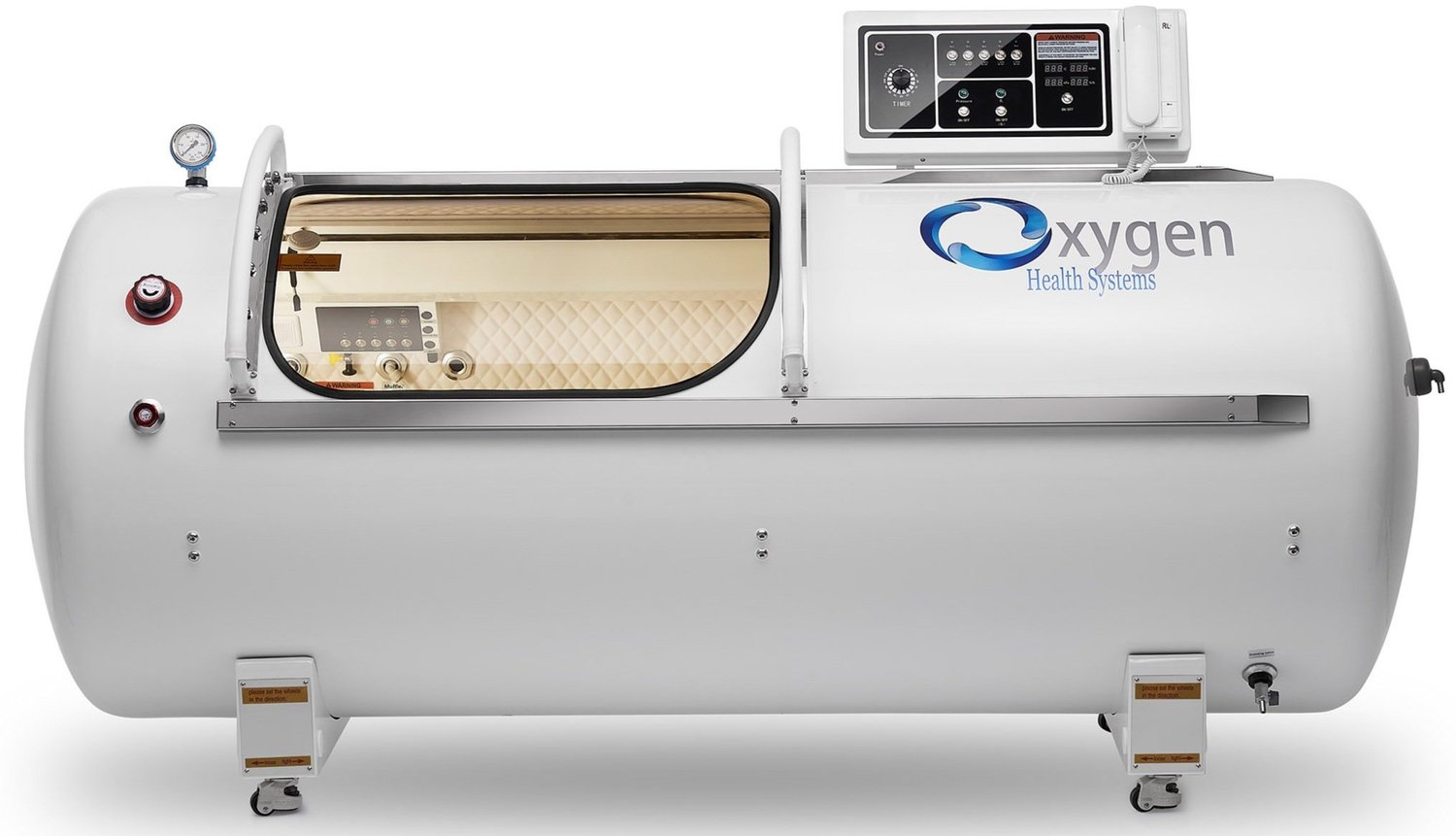
Migraines are a debilitating condition affecting millions worldwide, characterized by intense headaches, sensitivity to light, and nausea. Traditional treatments often involve medications and lifestyle changes, but for some, these methods provide only limited relief. In recent years, Hyperbaric Oxygen Therapy (HBOT) has emerged as an innovative approach to migraine management, offering a new avenue for those seeking relief. This article explores the potential benefits of HBOT in treating migraines, presenting evidence-based insights and practical information for those considering this therapy.
Understanding Hyperbaric Oxygen Therapy
Hyperbaric Oxygen Therapy involves breathing pure oxygen in a pressurized chamber, which increases the amount of oxygen in the blood and promotes healing. Originally used for decompression sickness, HBOT has found applications in various medical conditions, including wound healing, carbon monoxide poisoning, and now, migraine management.
How HBOT Works for Migraines
HBOT’s effectiveness in managing migraines is attributed to several physiological mechanisms:
- **Enhanced Oxygen Delivery:** Increased oxygen levels can alleviate the vascular changes associated with migraines, reducing headache severity.
- **Anti-inflammatory Effects:** HBOT may counteract inflammation, a known trigger for migraines, by modulating inflammatory pathways.
- **Neuroprotection:** Oxygen therapy supports brain health by reducing oxidative stress and promoting cell repair, which can prevent migraine attacks.
Discover expert strategies here to understand how these mechanisms translate into real-world benefits for migraine sufferers.
Research and Clinical Evidence
Research into HBOT for migraine management is growing, with several studies highlighting its potential benefits:
- **Clinical Trials:** Some trials have demonstrated a reduction in migraine frequency and intensity following HBOT sessions.
- **Patient Reports:** Anecdotal evidence from patients supports the therapeutic impact of HBOT on chronic migraine symptoms.
- **Comparative Studies:** When compared to traditional treatments, HBOT has shown promise as a complementary approach, enhancing overall treatment outcomes.
Learn about our tailored solutions to explore how HBOT can be integrated into individual treatment plans.
Practical Considerations for HBOT
For those considering HBOT, several practical aspects should be considered:
Session Details
- **Duration:** Typical sessions last about 60 to 90 minutes and are usually repeated multiple times over several weeks.
- **Setting:** Treatments are conducted in specialized facilities equipped with hyperbaric chambers.
- **Safety:** HBOT is generally safe, but patients should be aware of potential side effects, such as ear pressure changes or temporary vision adjustments.
Find out more about this approach for specific guidance on what to expect during HBOT sessions.
Integrating HBOT with Other Treatments
While HBOT offers unique benefits, it is often most effective when combined with other migraine management strategies:
- **Medication:** HBOT can complement prescribed medications by addressing migraine triggers from multiple angles.
- **Lifestyle Modifications:** Incorporating stress management, dietary changes, and exercise can enhance the effects of HBOT.
- **Alternative Therapies:** Practices like acupuncture or biofeedback may further support migraine relief when used alongside HBOT.
Explore advanced guides and tips for creating a comprehensive migraine management plan.
Conclusion
Hyperbaric Oxygen Therapy represents a promising frontier in migraine management, offering potential relief for those who have not found success with traditional treatments. By increasing oxygen delivery, reducing inflammation, and protecting neural health, HBOT addresses migraines at their source. As research continues to unfold, it is important for patients and healthcare providers to stay informed about emerging therapies. For individuals seeking to unlock relief from debilitating migraines, HBOT may provide a much-needed beacon of hope. Find out more about this approach and how it can be tailored to meet individual needs and preferences.