
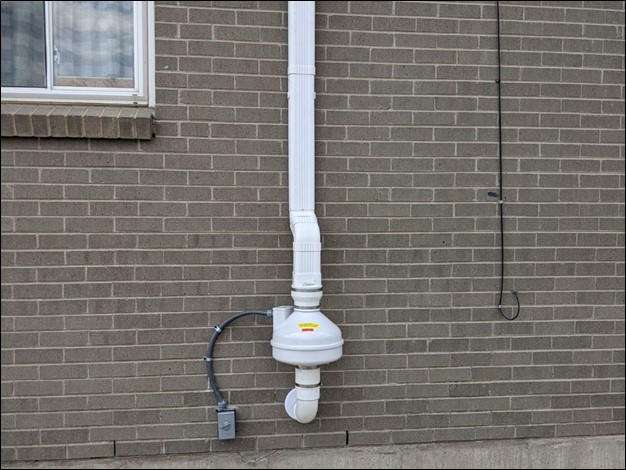
Radon is a naturally occurring radioactive gas that is colorless, odorless, and tasteless. It can pose significant health risks when it accumulates in enclosed spaces like homes and offices. In areas such as Colorado Springs, CO, where radon levels are known to be higher than the national average, understanding and effectively managing these risks through testing is crucial. This article explores the importance of radon testing, the process involved, and the significance of professional assistance in mitigating risks associated with radon exposure.
Why Radon Testing is Important in Colorado Springs
Colorado Springs is located in an area with a high potential for elevated radon levels due to its unique geological composition. The importance of radon testing in this region cannot be overstated. Here are several reasons why testing for radon is essential:
- Health Risks: Radon exposure is linked to lung cancer, with the risk increasing with prolonged exposure.
- Geographic Factors: The local soil and rock formations contribute to higher radon emissions.
- Building Structures: Older and inadequately ventilated buildings are more prone to radon accumulation.
- Regulatory Compliance: Local regulations may require radon testing during real estate transactions.
Discover expert strategies here to ensure your property is safe from the dangers of radon.
The Radon Testing Process
Conducting a radon test involves several steps to accurately measure the radon concentration in a building. Understanding this process is crucial for ensuring reliable results.
Initial Assessment and Preparation
Before testing, an initial assessment is performed to determine the most effective placement of testing devices. This includes:
- Identifying areas with potential for high radon levels, such as basements and ground floors.
- Ensuring windows and doors remain closed during the test for accurate measurement.
Learn about our tailored solutions for radon testing preparation.
Conducting the Test
Radon testing can be performed using short-term or long-term methods:
- Short-term Testing: Typically lasts from 2 to 90 days and provides a quick assessment of the radon levels.
- Long-term Testing: Conducted over 90 days to provide a more comprehensive view of radon levels over time.
Explore advanced guides and tips for choosing the right type of test for your needs.
Interpreting Results and Next Steps
Once testing is complete, interpreting the results accurately is crucial. If high levels of radon are detected, mitigation measures must be implemented. These may include:
- Installing ventilation systems to reduce radon levels.
- Sealing cracks and openings in the building’s foundation.
- Improving overall building ventilation.
Find out more about this approach to effectively address radon issues.
The Role of Professional Assistance
Engaging with professionals in radon testing and mitigation ensures that all procedures are conducted accurately and efficiently:
- Expertise: Professionals possess the knowledge and equipment necessary for precise testing and risk assessment.
- Compliance: Ensuring testing and mitigation meet local and national safety standards.
- Peace of Mind: Professional services provide reassurance that the property is safe for inhabitants.
By understanding the intricacies of radon testing and mitigation, property owners in Colorado Springs can take informed steps to protect their health and comply with regulations. For more detailed information on testing services, visit this page.