
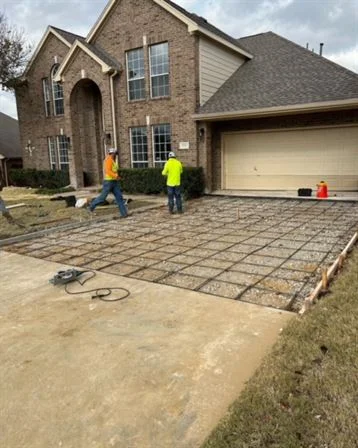
Effective drainage waterproofing solutions are crucial for maintaining the structural integrity and longevity of buildings. Water infiltration can lead to numerous problems, including mold growth, structural damage, and deteriorating interior finishes. Understanding and implementing the right waterproofing strategies can help prevent these issues and protect investments. This article explores the key components of effective drainage waterproofing, offering insights into technologies and methods that help safeguard structures from water damage.
Understanding Waterproofing Basics
Waterproofing is the process of making a structure water-resistant so that it remains unaffected by water ingress. It is a critical aspect of construction and maintenance that involves various techniques and materials.
Key Elements of Waterproofing
- Membranes: These are barriers applied to surfaces to prevent water passage. They come in various forms such as liquid-applied, sheet, and spray-on.
- Sealants: Used to close gaps and cracks in surfaces, preventing water entry through joints and seams.
- Drainage Systems: Direct water away from structures. These include French drains, sump pumps, and gutter systems.
Innovative Drainage Solutions
Effective drainage systems are essential for redirecting water away from foundations and other structural elements. Explore further insights here on the latest drainage technologies.
Types of Drainage Systems
- French Drains: These are trenches filled with gravel or rock that direct water away from an area.
- Sump Pumps: Installed in basements to pump out water that accumulates in a sump basin.
- Gutter Systems: Collect rainwater from roofs and redirect it away from the building’s foundation.
Advanced Waterproofing Techniques
As technology evolves, advanced waterproofing techniques have been developed to enhance building protection. Learn more in this detailed guide about these cutting-edge solutions.
Modern Methods
- Crystalline Waterproofing: Involves the use of crystalline compounds that penetrate concrete to block water pathways.
- Polyurethane Liquid Membranes: These flexible membranes are applied as liquids and cure into a seamless, waterproof barrier.
- Injection Grouting: A process where waterproofing materials are injected into cracks to seal them from within.
Maintaining Effective Waterproofing Systems
Regular maintenance is vital for the longevity of waterproofing systems. Periodic inspections and timely repairs can prevent minor issues from escalating into major problems. Find additional information here on maintenance best practices.
Maintenance Tips
- Regular Inspections: Check for signs of water damage or potential entry points, especially after heavy rain.
- Clear Drains and Gutters: Ensure that drainage systems are free from debris to prevent blockages.
- Seal Cracks Promptly: Address any visible cracks in the structure immediately to prevent water ingress.
By understanding and implementing effective drainage waterproofing solutions, building owners and managers can protect their properties from the damaging effects of water intrusion. For further insights and detailed information, read more about this topic.