
In the ever-evolving world of warehousing and logistics, optimizing space utilization remains a crucial priority. Efficient storage solutions such as pallet flow racking systems are increasingly gaining popularity for their ability to maximize space and streamline operations. This approach not only enhances storage capabilities but also improves workflow efficiency, making it an indispensable component in modern warehouse management. With a keen focus on how these systems can transform space utilization, this article delves into the critical aspects and benefits of implementing pallet flow racking.
Understanding Pallet Flow Racking Systems
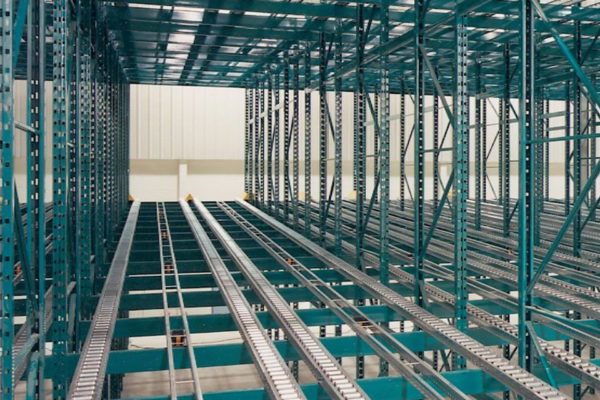
Pallet flow racking systems are dynamic storage solutions that utilize gravity and inclined rails to facilitate the movement of pallets. This system is designed to store products in a first-in, first-out (FIFO) sequence, which is particularly advantageous for perishable goods or items with expiration dates. The system ensures that the oldest stock is used first, reducing the risk of waste and spoilage.
Key Components of Pallet Flow Racking
- Inclined Roller Lanes: Allow pallets to glide smoothly from the loading end to the picking end.
- Entry Guides: Assist in aligning pallets accurately, ensuring efficient loading and unloading processes.
- Braking Systems: Control the speed of pallets, preventing damage during transit along the roller lanes.
- Stopper Devices: Hold pallets in place at the picking face, ensuring safety and orderliness.
Explore advanced guides and tips on how these components integrate seamlessly to optimize space and efficiency.
Benefits of Implementing Pallet Flow Racking
The adoption of pallet flow racking systems offers numerous benefits that contribute to improved warehouse operations and space efficiency.
Maximizing Storage Density
By utilizing gravity and carefully engineered design, pallet flow racking systems significantly increase storage density. This maximization allows businesses to store more products within the same square footage, reducing the need for warehouse expansion.
Enhancing Picking Efficiency
With products automatically moving to the picking face, employees spend less time traveling between aisles. This enhancement leads to faster order fulfillment and reduces labor costs, increasing overall operational efficiency.
Improving Inventory Management
A well-implemented FIFO system ensures that inventory is rotated correctly, reducing the risk of overstocking and obsolescence. Learn about our tailored solutions that support precise inventory management practices.
Considerations for Implementation
Before implementing a pallet flow racking system, certain factors need thorough evaluation to ensure the system meets specific operational requirements.
Space Layout and Design
An analysis of the warehouse layout is essential to determine the optimal placement and design of the pallet flow system. A customized design can accommodate various pallet sizes and weights, catering to diverse storage needs.
Product Characteristics
Understanding the characteristics of stored products, such as weight, size, and turnover rate, is crucial. This knowledge ensures that the racking system aligns with the product requirements and warehouse operations.
Cost Implications
While the initial investment in a pallet flow racking system may be significant, the long-term benefits, such as reduced labor costs and increased storage capacity, often outweigh the expenditure. Discover expert strategies here for cost-effective implementation.
Conclusion
Pallet flow racking systems represent a strategic investment in efficient warehouse management. By enhancing space utilization, improving workflow efficiency, and ensuring precise inventory management, these systems offer a comprehensive solution to modern warehousing challenges. Find out more about this approach to leverage the full potential of pallet flow racking and transform your storage capabilities.