
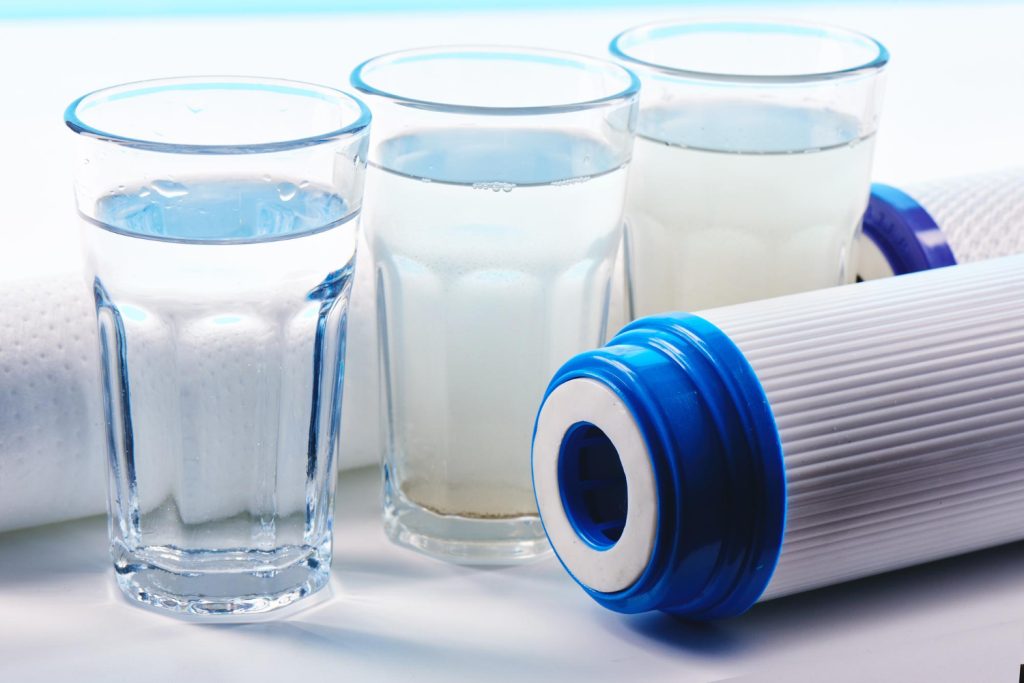
In today’s world, the quality of drinking water is a growing concern for many households. Reverse osmosis (RO) systems offer a reliable solution for purifying water by removing contaminants and improving taste. For those new to this technology, it can be overwhelming to understand how these systems work and what benefits they provide. This guide aims to demystify reverse osmosis home systems, providing a comprehensive overview for beginners. By the end, you’ll have a solid understanding of how to choose, install, and maintain an RO system that suits your needs.
What is Reverse Osmosis?
Reverse osmosis is a water purification technology that uses a semi-permeable membrane to remove ions, molecules, and larger particles from drinking water. The process involves forcing water through this membrane, leaving contaminants behind.
Key Features of Reverse Osmosis Systems:
- Effectively removes impurities such as lead, fluoride, chlorine, and nitrates.
- Improves the taste and odor of water.
- Reduces the levels of dissolved solids.
- Environmentally friendly alternative to bottled water.
Benefits of Using a Reverse Osmosis System
Implementing a reverse osmosis system in your home offers numerous advantages:
- Healthier Drinking Water: RO systems provide cleaner water free from harmful contaminants.
- Cost-Effective: Although the initial investment may seem high, these systems save money in the long run by eliminating the need for bottled water.
- Low Maintenance: Regular maintenance involves changing filters, which is relatively simple and doesn’t require professional assistance.
- Versatile Use: Not only for drinking, but RO water can also be used for cooking and other household needs.
Find out more about this approach to improving water quality by exploring additional resources here.
Choosing the Right Reverse Osmosis System
Selecting the ideal RO system depends on various factors, including water consumption, space availability, and specific filtration needs. Consider the following when making your choice:
1. Capacity and Size
Determine the daily water consumption for your household to select a system with adequate capacity. Smaller units are suitable for single users or couples, while larger systems are better for families.
2. Filtration Stages
Reverse osmosis systems come with different filtration stages, usually ranging from three to five. More stages generally mean better filtration, but also higher costs. Evaluate your water quality to decide on the necessary stages.
3. Installation and Maintenance
Consider systems that offer straightforward installation and easy maintenance. Some systems come with quick-change filters, which simplify the process.
For detailed advice on selecting a system that fits your needs, learn about our tailored solutions.
Installation and Maintenance Tips
Proper installation and regular maintenance are crucial for the optimal functioning of a reverse osmosis system. Here are some tips:
Installation Tips:
- Always follow the manufacturer’s instructions for installation.
- Consider professional installation if unsure about the process.
- Ensure the system is installed in a location that is easy to access for maintenance.
Maintenance Tips:
- Replace filters as recommended, typically every 6-12 months.
- Sanitize the system annually to prevent bacterial growth.
- Check for leaks and ensure all connections are secure.
Discover expert strategies here for keeping your system in top condition.
Conclusion
Reverse osmosis systems are an excellent investment for those seeking to enhance their home’s water quality. By removing contaminants and improving taste, these systems contribute to healthier living. Whether you’re considering your first RO system or looking to upgrade, understanding the basics of how they function and what features to look for will guide you in making an informed decision. Explore advanced guides and tips to ensure your reverse osmosis system meets your household’s needs efficiently.