
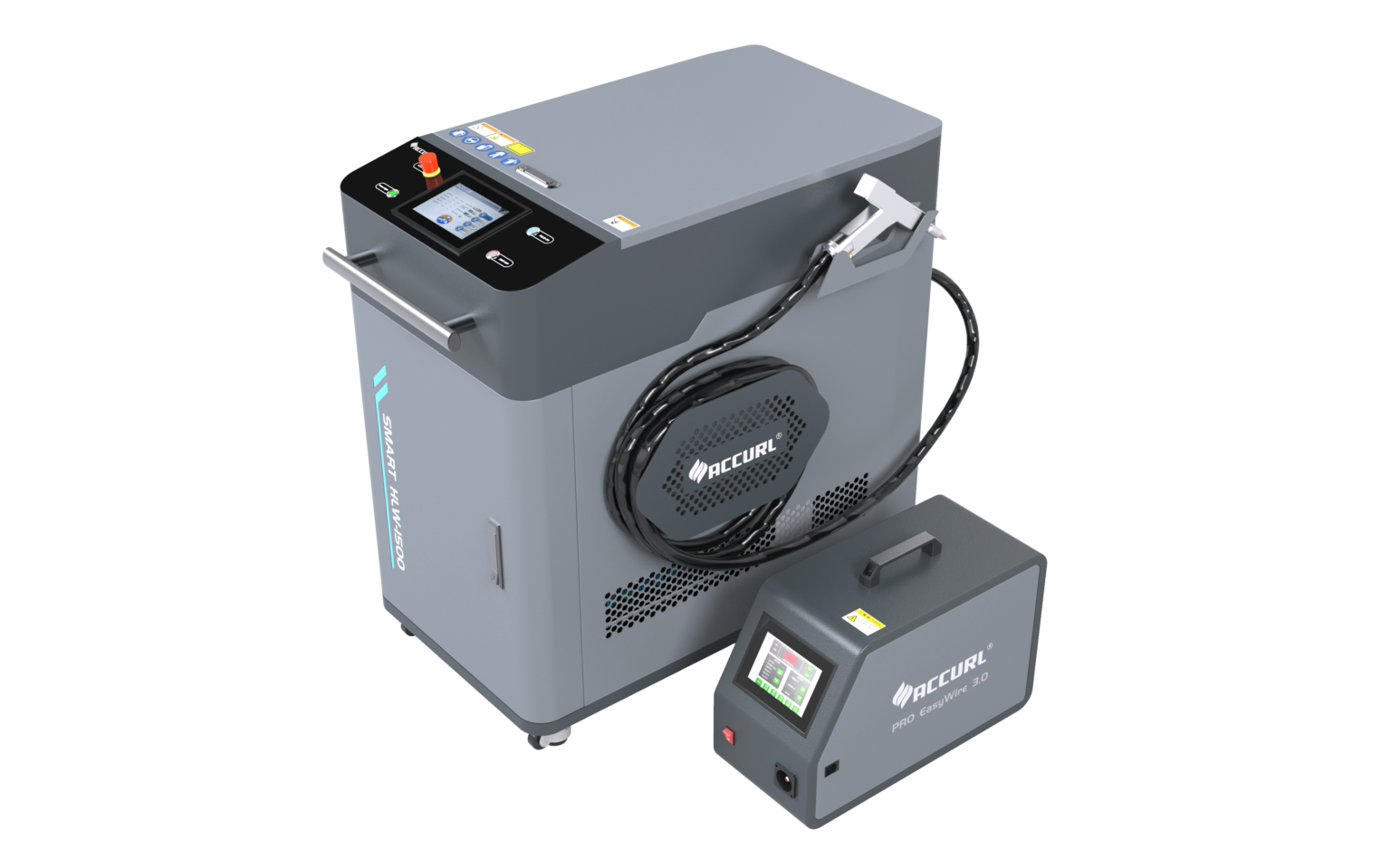
In today’s fast-paced manufacturing environment, precision and efficiency are paramount. A laser welder machine is a vital tool that can significantly enhance production capabilities. These machines offer unmatched precision, reducing the margin for error and increasing the quality of the final product. The integration of laser welding technology into various industries has demonstrated its ability to produce high-quality welds with minimal distortion, making it an indispensable asset for professionals aiming to achieve superior results.
Advantages of Using Laser Welder Machines
Laser welder machines provide several notable benefits that can improve both the efficiency and quality of work in various applications:
- Precision and Accuracy: Laser welding machines offer high precision, ensuring exact weld placement and minimizing material waste.
- Speed and Efficiency: With rapid processing capabilities, these machines reduce production time, enhancing overall workflow efficiency.
- Versatility: Suitable for a wide range of materials, including metals and plastics, making them ideal for diverse industrial applications.
- Minimal Heat Affected Zone (HAZ): Reduces the risk of thermal distortion, maintaining the integrity of the materials.
Applications of Laser Welding Technology
Laser welding technology is utilized in various industries due to its adaptability and precision:
Automotive Industry
The automotive industry benefits significantly from laser welding, particularly in the manufacturing of high-strength steel components. This technology ensures strong and durable joints that are essential for vehicle safety and performance.
Medical Device Manufacturing
In the medical field, the demand for precision is critical. Laser welding is used to fabricate complex medical devices, ensuring biocompatibility and structural integrity. The clean and precise nature of laser welding minimizes the risk of contamination.
Electronics Industry
For the electronics industry, laser welding provides the precision required for intricate assemblies. It is particularly useful in the production of microelectronics, where even the slightest deviation can lead to significant functional issues.
Considerations When Choosing a Laser Welder
When selecting a laser welder for sale, it is crucial to consider several factors to ensure it meets the specific needs of the application:
- Power Requirements: Assessing the power output needed for your materials and applications is vital to ensure optimal performance.
- System Compatibility: Ensure that the welder is compatible with existing systems and processes to avoid integration issues.
- User Interface and Control: A user-friendly interface enhances productivity by allowing operators to easily manage the welding parameters.
- Maintenance and Support: Consideration of the availability of technical support and maintenance services is essential for sustained operation.
Conclusion
Incorporating a laser welding machine into production processes can significantly elevate the quality and efficiency of work. As industries continue to evolve, the demand for precision and reliability will only grow, making laser welding technology an invaluable investment for the future. By understanding the capabilities and benefits of these machines, professionals can make informed decisions to enhance their manufacturing processes and achieve superior results.