
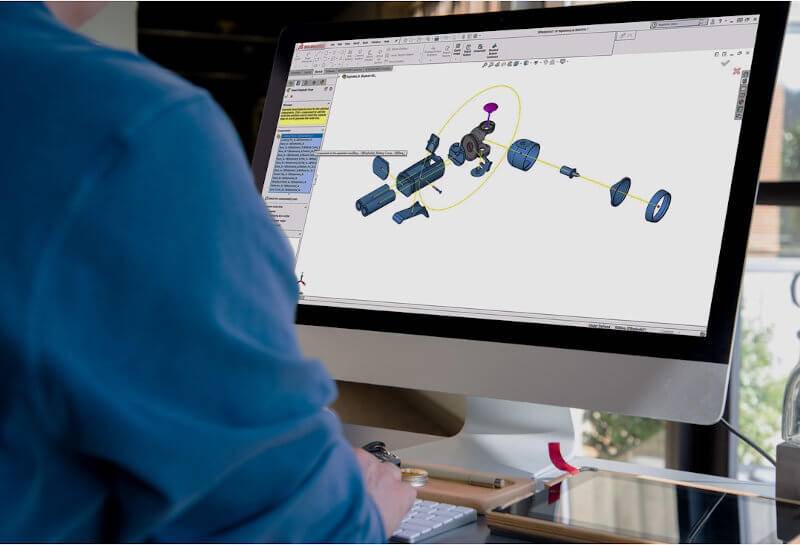
In the ever-evolving world of technology, hardware product design plays a crucial role in bringing innovative ideas to life. It requires a delicate balance of creativity, technical expertise, and strategic planning to transform a concept into a tangible, functional product. This article delves into the essential elements contributing to successful hardware product design, providing insights into the methodologies and practices that can help navigate the complexities of the design process effectively.
Understanding the Product Requirements
The foundation of successful hardware product design lies in a thorough understanding of the product requirements. This involves:
- Identifying the target audience and their needs.
- Analyzing the market trends and competition.
- Defining the product’s core functionality and features.
- Setting realistic performance and cost goals.
These steps ensure that the product aligns with market demands and user expectations. Read more about this topic to gain deeper insights into the importance of requirement analysis.
The Role of Prototyping and Iteration
Prototyping is an invaluable part of the hardware design process. It allows designers to:
- Test the feasibility of their designs.
- Identify potential issues early in the development cycle.
- Gather feedback and make informed improvements.
Iteration based on prototype testing is essential for refining the product and ensuring it meets the desired specifications. Learn more in this detailed guide about the significance of prototyping in hardware development.
Design for Manufacturability
Designing with manufacturability in mind is crucial for the success of any hardware product. Key considerations include:
- Material selection and availability.
- Cost-effective production processes.
- Scalability for large volume production.
- Quality control and compliance with industry standards.
These factors ensure that the product can be produced efficiently and cost-effectively without compromising on quality. Explore further insights here to understand how manufacturability impacts the overall design process.
Integration of Advanced Technologies
With rapid advancements in technology, integrating cutting-edge solutions can significantly enhance product appeal and functionality. Considerations include:
- Incorporation of IoT and smart technology.
- Utilization of AI and machine learning for enhanced capabilities.
- Exploring sustainable and eco-friendly technologies.
These integrations can provide a competitive edge and align the product with modern consumer expectations. Find additional information here about how advanced technologies can be leveraged in product design.
Testing and Quality Assurance
Rigorous testing and quality assurance are critical to ensuring that the final product is reliable and meets all specifications. This involves:
- Conducting various tests, including stress, performance, and safety tests.
- Implementing feedback loops for continuous improvement.
- Ensuring compliance with relevant regulations and standards.
Effective quality assurance practices help in minimizing defects and enhancing customer satisfaction. Read more about this topic to explore quality assurance strategies in hardware design.
Conclusion
Successful hardware product design requires a comprehensive approach that encompasses understanding user needs, iterative prototyping, manufacturability, technology integration, and stringent quality assurance. By focusing on these elements, designers can create innovative products that resonate with users and stand out in the competitive market. For more detailed insights and guidance on hardware product design, explore further insights here.