
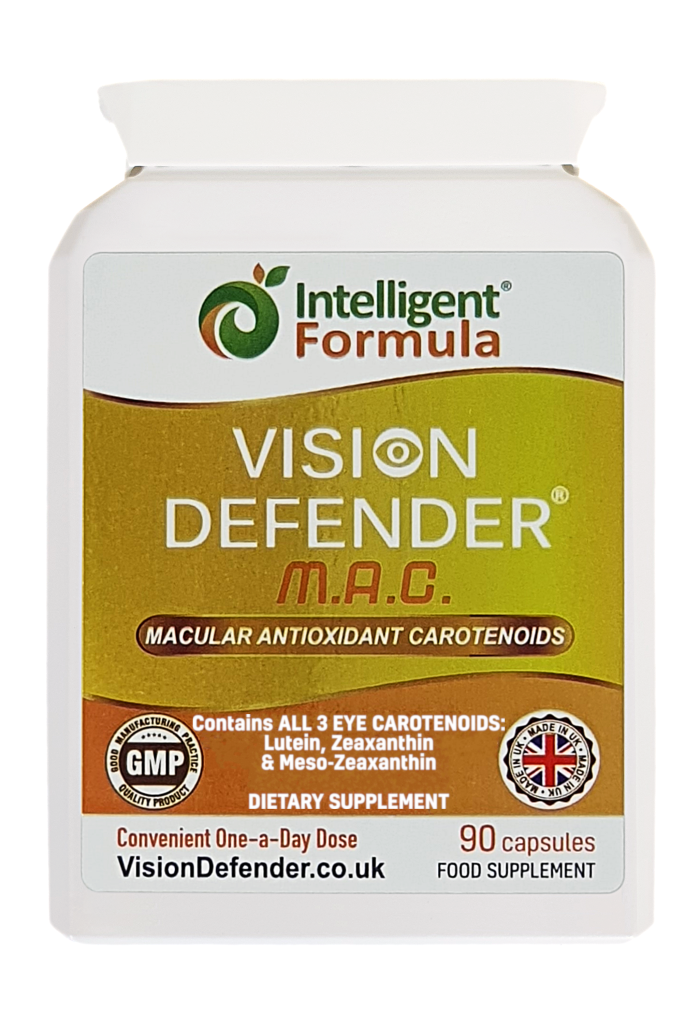
Maintaining optimal vision health is crucial for leading a fulfilling life. As individuals age, the need to support eye health becomes more pronounced. One effective way to promote eye health is through the use of specific vitamins known to benefit vision. This article will explore the best vitamins for eye care, discuss their benefits, and provide insights into how they can be incorporated into a daily health regimen.
Essential Vitamins for Vision Health
Vitamins play a fundamental role in maintaining eye health. Each vitamin offers unique benefits, contributing to overall eye wellness. Here are some of the most essential vitamins:
Vitamin A
- Crucial for maintaining a clear cornea, the outer covering of the eye.
- Helps in the production of rhodopsin, a protein that enables vision in low light conditions.
- Deficiency can lead to night blindness and more severe eye conditions.
To incorporate Vitamin A into your diet, consider foods such as carrots, sweet potatoes, and leafy greens. Find additional information here about Vitamin A and its impact on vision health.
Vitamin C
- Acts as a powerful antioxidant, protecting the eyes from damage caused by free radicals.
- Supports the health of blood vessels in the eyes, potentially reducing the risk of cataracts.
- Essential for the production of collagen, which provides structure to the eye.
Citrus fruits, berries, and bell peppers are excellent sources of Vitamin C. Learn more in this detailed guide on how Vitamin C aids in protecting eye health.
Vitamin E
- Another powerful antioxidant that helps protect eyes from oxidative stress.
- Linked to reducing the risk of age-related macular degeneration (AMD) and cataracts.
- Helps maintain the integrity of cell membranes in the eyes.
Nuts, seeds, and green leafy vegetables are rich in Vitamin E. Read more about this topic and how incorporating Vitamin E can benefit eye health.
Additional Nutrients Supporting Eye Health
Beyond vitamins, other nutrients also play a significant role in maintaining healthy eyes.
Zinc
- Essential for bringing Vitamin A from the liver to the retina to produce melanin, a protective pigment in the eyes.
- Helps prevent macular degeneration and night blindness.
Foods such as oysters, beef, and legumes are good sources of zinc. Explore further insights here on the importance of zinc in eye care.
Omega-3 Fatty Acids
- Support the structure of cell membranes, particularly in the retina.
- May reduce the risk of developing dry eyes syndrome.
- Linked to a lower risk of developing AMD.
Fatty fish like salmon, mackerel, and sardines are rich in Omega-3 fatty acids. Find additional information here about how Omega-3s contribute to eye health.
Conclusion
Ensuring the intake of essential vitamins and nutrients is vital for maintaining eye health and preventing age-related eye conditions. A balanced diet, supplemented with vitamins and nutrients highlighted in this article, can significantly support vision health. For those looking to enhance their eye care routine, read more about this topic and discover how to effectively incorporate these vitamins into your daily regimen.