
In the world of warehousing and logistics, maximizing efficiency is crucial. The choice of storage systems plays a pivotal role in optimizing space, time, and cost. Among the various storage solutions available, pushback racking systems stand out for their ability to enhance the operational capabilities of warehouses. These systems not only improve space utilization but also streamline the flow of goods, making them an indispensable asset in modern warehousing.
Understanding Pushback Racking Systems
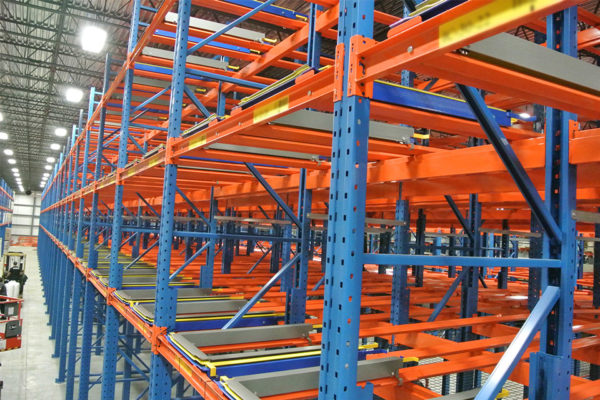
Pushback racking systems are dynamic storage solutions designed to store products on a series of nested carts, which operate on inclined rails. This design allows for multiple pallets to be stored in a single lane, with the front pallet being accessible at all times. When a pallet is removed, the subsequent pallet automatically glides to the front, ready for retrieval.
Key Features
- Efficient use of space by storing pallets in depth.
- Reduced aisle space, increasing overall storage density.
- First-in, last-out (FILO) inventory management.
- Compatible with various pallet sizes and types.
Benefits of Pushback Racking Systems
Implementing pushback racking systems in a warehouse provides numerous advantages. These systems are designed to enhance storage efficiency while ensuring ease of access and inventory management.
Optimized Space Utilization
Pushback racking systems allow for high-density storage by utilizing depth over width. This means that more pallets can be stored in a smaller footprint, freeing up valuable floor space for other operational needs. Find additional information here on how these systems maximize storage capacity.
Improved Inventory Management
The design of pushback racking facilitates better inventory control, particularly for products that do not require strict adherence to a first-in, first-out (FIFO) system. The FILO approach is ideal for items with longer shelf lives or where turnover is less frequent. Explore further insights here about inventory management strategies using pushback systems.
Enhanced Operational Efficiency
By reducing the need for wide aisles, pushback racking systems streamline warehouse operations. This leads to quicker loading and unloading times, which in turn boosts productivity. The ability to access multiple pallets from a single aisle also reduces travel time for warehouse personnel. Read more about this topic to see how operational efficiency can be achieved with pushback systems.
Considerations for Implementation
While pushback racking systems offer numerous benefits, certain considerations must be addressed during the implementation phase to ensure optimal performance.
Load Capacity and Compatibility
It is essential to evaluate the load capacity and compatibility of the pushback racking system with existing warehouse infrastructure. The system should be compatible with the types of pallets and handling equipment used in the facility. Learn more in this detailed guide to ensure a smooth integration with current operations.
Cost Implications
Investing in pushback racking systems may involve significant initial costs; however, the long-term benefits in terms of space savings and operational efficiency often outweigh these expenses. Conducting a thorough cost-benefit analysis can provide insights into the potential return on investment.
Conclusion
Pushback racking systems represent a significant advancement in warehouse storage solutions. By optimizing space and enhancing operational efficiency, these systems provide a strategic advantage in the competitive landscape of warehousing and logistics. The ability to store a high volume of products in a compact space, combined with the ease of access and inventory management, makes pushback racking a worthwhile investment for any warehouse seeking to improve its efficiency. For further exploration of pushback racking systems and their benefits, read more about this topic.