
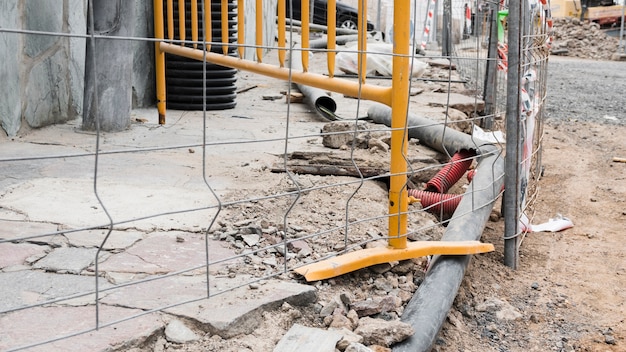
Foundation cracks are a common concern for homeowners and property managers. While minor cracks may seem like a cosmetic issue, they can indicate potential structural problems that require immediate attention. Proper crack injection repair is a crucial part of maintaining the structural integrity of a building. This expert guide offers comprehensive insights into foundation crack injection repair, highlighting the importance of timely intervention to prevent further damage and outlining advanced techniques available today. Readers are encouraged to explore advanced guides and tips provided in this resource for a deeper understanding of the process.
Understanding Foundation Cracks
Foundation cracks can arise from various causes, including natural settling, soil expansion, or water pressure. Identifying the type and cause of a crack is essential for determining the appropriate repair method. There are primarily two types of cracks:
- Vertical Cracks: Often caused by the natural settling of a building, these are usually less severe but should still be addressed to prevent moisture infiltration.
- Horizontal Cracks: These can indicate significant structural issues and require immediate professional attention.
For a more detailed understanding of crack types and their implications, find out more about this approach.
Foundation Crack Injection Repair Techniques
There are several methods for repairing foundation cracks, with injection repair being one of the most effective. This method involves sealing the crack through pressure injection of a liquid polymer, which then solidifies to form a watertight seal. Here are two common materials used in injection repair:
Epoxy Injection
Epoxy is a strong adhesive that bonds the crack walls together, restoring the structural integrity of the foundation. It is ideal for non-moving cracks. Key features of epoxy injection include:
- High-strength bonding suitable for significant structural repairs.
- Ability to restore the original strength of the structure.
Readers can learn about our tailored solutions for epoxy injection and its applications.
Polyurethane Injection
Polyurethane is a flexible material that expands upon injection, making it suitable for sealing cracks subjected to slight movements. This method is particularly effective for water-sealing applications. Benefits include:
- Flexibility that allows for minor structural shifts.
- Effectiveness in stopping active leaks.
For further insight into polyurethane injection techniques, explore advanced guides and tips on this technique.
When to Seek Professional Help
Deciding when to seek expert intervention is crucial. Indicators that professional assistance may be necessary include:
- Cracks exceeding a quarter-inch in width.
- Persistent water leakage through cracks.
- Horizontal or stair-step cracks, which may signal serious foundational issues.
Discover expert strategies here for when it’s time to call in the professionals.
Choosing the Right Solution
Each foundation crack is unique and requires a tailored approach. Factors to consider when choosing a repair method include:
- The size and orientation of the crack.
- The building’s environment and soil conditions.
- The presence of moisture and potential for water infiltration.
Find out more about this approach to selecting the right repair method. For those seeking peace of mind, check out customer reviews here to see what others are saying about us.
Conclusion
Foundation crack injection repair is a critical component of maintaining a building’s integrity and safety. By understanding the types of cracks and choosing the appropriate repair technique, property owners can prevent minor issues from escalating into major structural problems. Those interested in learning more about the latest developments in crack injection repair are encouraged to explore advanced guides and tips available. To gain further insights and see customer feedback, visit the GBP page.