
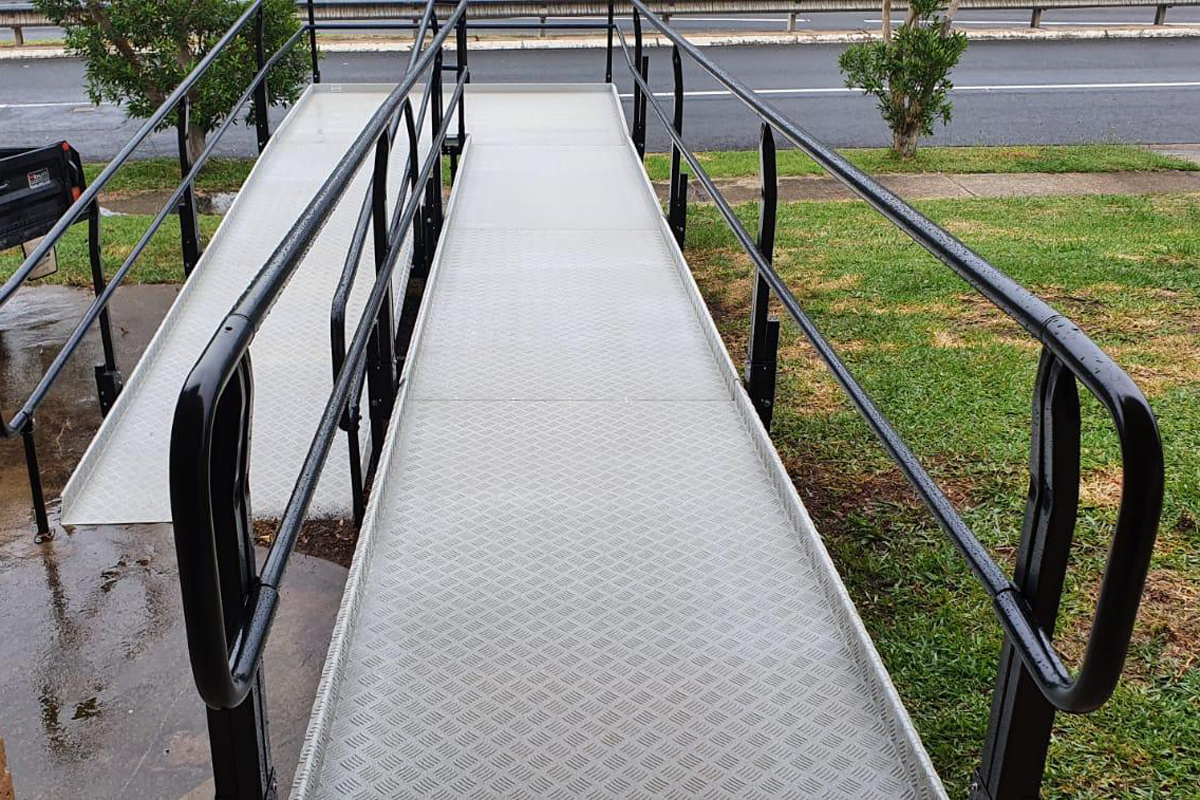
Accessibility is a key consideration in creating inclusive environments that cater to everyone, including individuals with mobility challenges. Installing an access ramp is a practical solution that enhances accessibility in residential, commercial, and public spaces. This article explores the numerous benefits of installing access ramps, highlighting how they contribute to improved accessibility, safety, and compliance with legal standards.
Improved Accessibility for All
Access ramps serve as essential infrastructure for individuals who use wheelchairs, walkers, or other mobility aids. They provide a convenient and safe alternative to stairs, enabling individuals with physical limitations to access buildings and spaces with ease. Ramps also benefit families with strollers or carts, making them invaluable additions to both private and public venues.
- Ramps offer a gentle incline, reducing the physical strain on users.
- They facilitate smooth transitions between different levels or elevations.
- Access ramps are ideal for temporary events or permanent installations.
Enhanced Safety Features
Safety is a paramount consideration when designing and installing access ramps. A well-constructed ramp can significantly reduce the risk of accidents and injuries by providing a stable and secure pathway for users.
- Non-slip surfaces are commonly used to prevent slips and falls.
- Handrails add an extra layer of support and security.
- Proper lighting enhances visibility, especially in low-light conditions.
Compliance with Legal Standards
Many regions have specific regulations and guidelines regarding accessibility in public and private spaces. Installing access ramps is often a requirement under these laws to ensure inclusivity and equal access for all individuals.
- Compliance with legislation can prevent legal issues and promote social responsibility.
- Ramps can be designed to meet specific regulatory requirements, such as those outlined by the Americans with Disabilities Act (ADA) in the United States.
- Customised solutions are available to meet unique architectural needs while adhering to legal standards.
Versatile Applications and Design Options
Access ramps are available in a variety of designs and materials, making them suitable for a wide range of applications. Whether for residential, commercial, or industrial use, there is a ramp solution that fits every need.
- Portable ramps offer flexibility for temporary or travel use.
- Permanent ramps can be seamlessly integrated into existing architecture.
- Materials like aluminum, steel, and concrete provide durability and aesthetic appeal.
Cost-Effective Accessibility Solutions
While the initial investment in an access ramp may vary depending on design and materials, the long-term benefits often justify the cost. Ramps not only increase property value but also enhance the usability and accessibility of spaces.
- Investing in accessibility can attract a broader clientele or visitor base.
- Durable materials and construction minimize maintenance costs.
- Customised solutions can maximize functionality and budget efficiency.
Conclusion
The installation of an access ramp is a proactive step towards creating an inclusive and accessible environment. By improving accessibility and safety, ensuring compliance with legal standards, and offering versatile design options, ramps serve as a valuable asset in any setting. Whether for enhancing a public venue or upgrading a private residence, access ramps represent a sound investment in inclusivity and accessibility for everyone.