
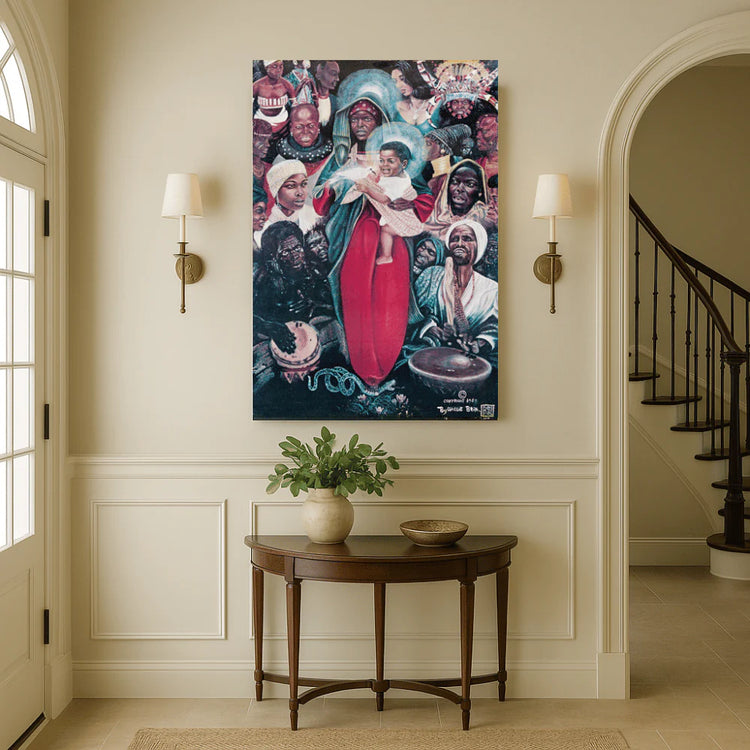
The Madonna and Child paintings hold a revered place in the history of art, embodying centuries of religious significance and artistic expression. These paintings are more than just depictions of the Virgin Mary with the infant Jesus; they are intricate narratives of faith, culture, and the evolution of artistic styles. The delicate portrayal of maternal tenderness and divine grace in these artworks captures the imagination and devotion of viewers across time. As one delves into the world of Madonna and Child paintings, the layers of symbolism and artistry reveal themselves, offering insights into both the spiritual and aesthetic dimensions of these masterpieces.
The Historical Context of Madonna and Child Paintings
Madonna and Child paintings trace their origins back to the early Christian art traditions. These artworks were initially created to serve as devotional objects, aiding believers in their worship and reflection. Over time, the portrayal of the Madonna and Child evolved, influenced by cultural shifts and artistic innovations. Key historical points include:
- Emergence during the Byzantine Empire, characterized by iconic, stylized representations.
- The Renaissance period, where a focus on realism and human emotion brought new depth to these images.
- Baroque interpretations, emphasizing dramatic compositions and dynamic movement.
Symbolism and Iconography
The symbolic elements within Madonna and Child paintings are vast and varied, each contributing to the overall narrative and emotional impact. These elements often include:
- The use of color, with blue symbolizing purity and divinity.
- Incorporation of symbolic objects, such as lilies for purity or books for wisdom.
- Gestures and expressions that convey themes of protection, love, and devotion.
Through these symbols, the paintings communicate complex theological and philosophical ideas. To further explore the symbolic richness of these artworks, discover expert strategies here.
Artists and Styles
Influential Artists
Many renowned artists have contributed to the legacy of Madonna and Child paintings. Their unique interpretations and styles have enriched the tradition and inspired countless others. Notable artists include:
- Giotto di Bondone, known for his pioneering use of perspective and emotion.
- Leonardo da Vinci, whose works like “The Virgin of the Rocks” exemplify masterful composition and depth.
- Raphael, celebrated for his harmonious and serene depictions.
Each artist brought their vision and innovation, leaving a lasting impact on the portrayal of the Madonna and Child. Learn about our tailored solutions for further insights into these artists’ contributions.
Stylistic Variations
The stylistic variations seen in Madonna and Child paintings reflect broader artistic movements and regional influences. These variations include:
- Byzantine, with its emphasis on spiritual abstraction and use of gold leaf.
- Renaissance, characterized by naturalism and anatomical precision.
- Baroque, noted for its dramatic interplay of light and shadow.
Understanding these stylistic differences enhances appreciation for the craftsmanship and innovation in each artwork. Explore advanced guides and tips on identifying and appreciating these nuances.
The Cultural Impact
Madonna and Child paintings have transcended religious boundaries, influencing cultural expressions in various forms. Their presence is felt in:
- Literature, inspiring poets and writers with their themes of maternal love and divine intervention.
- Modern art, where contemporary artists reinterpret these timeless themes.
- Popular culture, where their imagery is often used to convey messages of peace and compassion.
The enduring appeal of Madonna and Child paintings lies in their universal themes and the profound connection they foster between the viewer and the divine. Find out more about this approach to appreciate their ongoing relevance.