
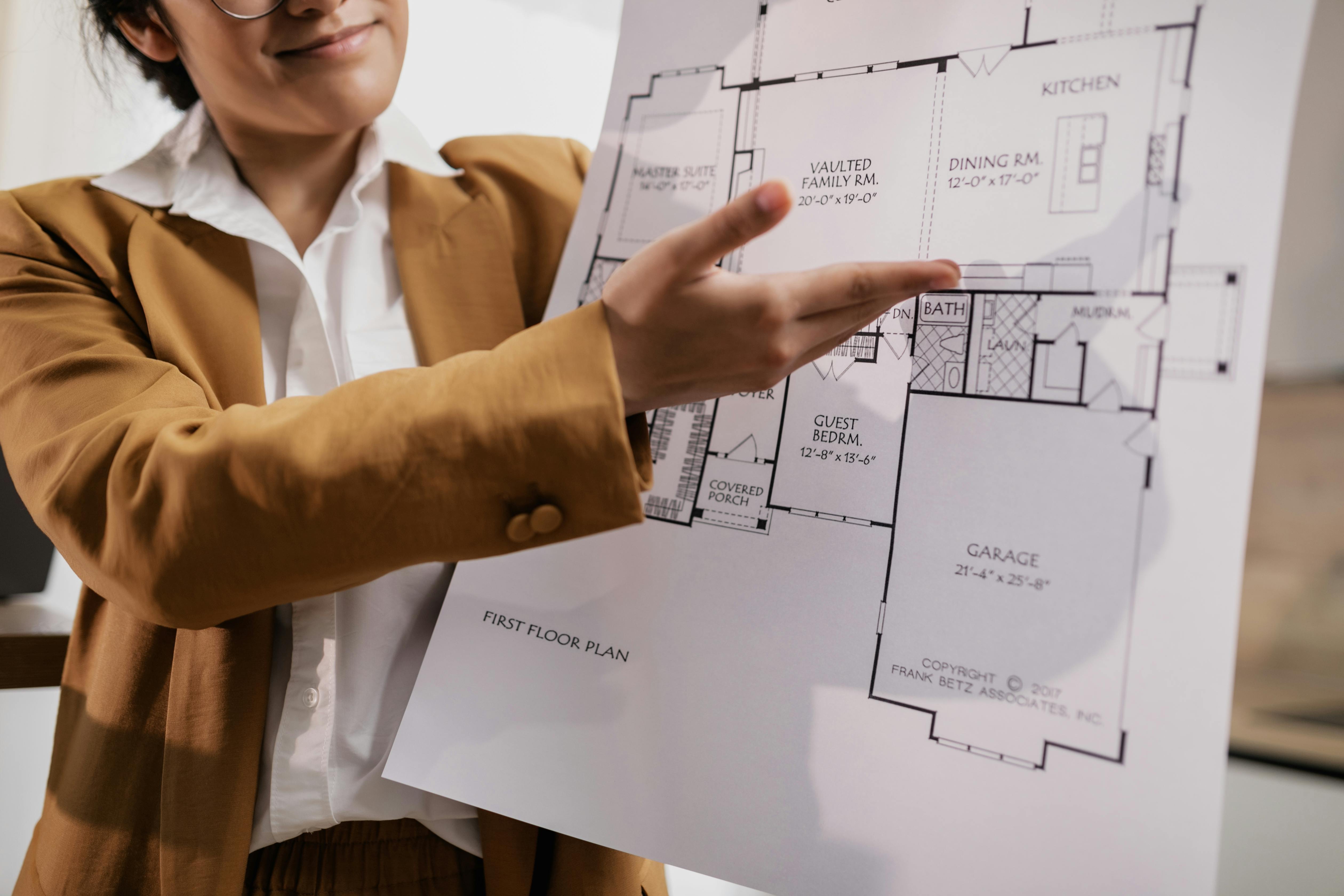
The rise of sustainable construction practices is transforming the residential building sector. As environmental concerns become increasingly urgent, the demand for eco-friendly construction methods grows. These practices not only minimize environmental impact but also enhance the quality and longevity of residential buildings. By implementing sustainable construction techniques, developers can ensure that their projects contribute positively to the environment and community. This approach aligns with the global shift towards sustainability and provides long-term benefits for homeowners, such as reduced energy costs and improved indoor air quality.
Understanding Sustainable Construction
Sustainable construction involves using environmentally responsible and resource-efficient processes throughout a building’s life cycle, from design and construction to operation and maintenance. This holistic approach requires careful planning and execution, ensuring that every aspect of the project supports sustainability goals. It’s essential to embrace innovative materials and technologies that reduce the carbon footprint of residential projects.
Key Elements of Sustainable Construction
- Energy Efficiency: Utilizing high-performance insulation, energy-efficient windows, and advanced HVAC systems to reduce energy consumption.
- Water Conservation: Implementing rainwater harvesting systems and water-efficient fixtures to minimize water usage.
- Material Selection: Choosing sustainable, non-toxic, and locally sourced materials to decrease environmental impact.
- Waste Reduction: Recycling construction waste and using prefabricated components to reduce on-site waste.
- Indoor Environmental Quality: Ensuring proper ventilation and using low-VOC materials to improve air quality.
To learn more about how these elements are integrated into residential projects, discover expert strategies here.
Innovative Technologies in Sustainable Construction
The integration of cutting-edge technologies plays a crucial role in advancing sustainable construction practices. These innovations not only enhance efficiency but also contribute to the overall sustainability of residential projects. Some of the notable technologies include:
- Building Information Modeling (BIM): Facilitates precise planning and resource management, reducing waste and improving efficiency.
- Solar Energy Systems: Incorporate photovoltaic panels to harness renewable energy and decrease reliance on fossil fuels.
- Smart Home Technology: Devices that monitor and optimize energy usage, contributing to a more sustainable lifestyle.
For more insights into how technology can be leveraged in sustainable construction, explore advanced guides and tips.
Benefits of Sustainable Construction for Homeowners
Adopting sustainable construction practices offers numerous benefits for homeowners, both environmentally and economically. These advantages include:
- Reduced Energy Costs: Energy-efficient homes lead to significant savings on utility bills over time.
- Increased Property Value: Sustainable homes often have higher resale values due to their eco-friendly features.
- Healthier Living Environments: Improved air quality and natural lighting contribute to better health and well-being.
- Environmental Impact: Lower carbon emissions and reduced resource consumption help protect the planet.
To find out more about this approach and its benefits, learn about our tailored solutions.
Challenges and Considerations
While sustainable construction offers numerous benefits, there are challenges and considerations that must be addressed. These include initial cost investments, regulatory compliance, and the need for specialized skills and knowledge. To overcome these challenges, it’s crucial to collaborate with experts who have a deep understanding of sustainable practices.
Navigating these challenges effectively ensures that residential projects not only meet regulatory requirements but also achieve their sustainability goals. For assistance and expert advice, find out more about this approach.
In conclusion, sustainable construction is not just a trend but a necessary evolution in the residential building industry. By adopting these practices, developers can create homes that are not only environmentally friendly but also economically viable and beneficial for future generations. For more information and guidance on implementing sustainable construction in residential projects, discover expert strategies here.